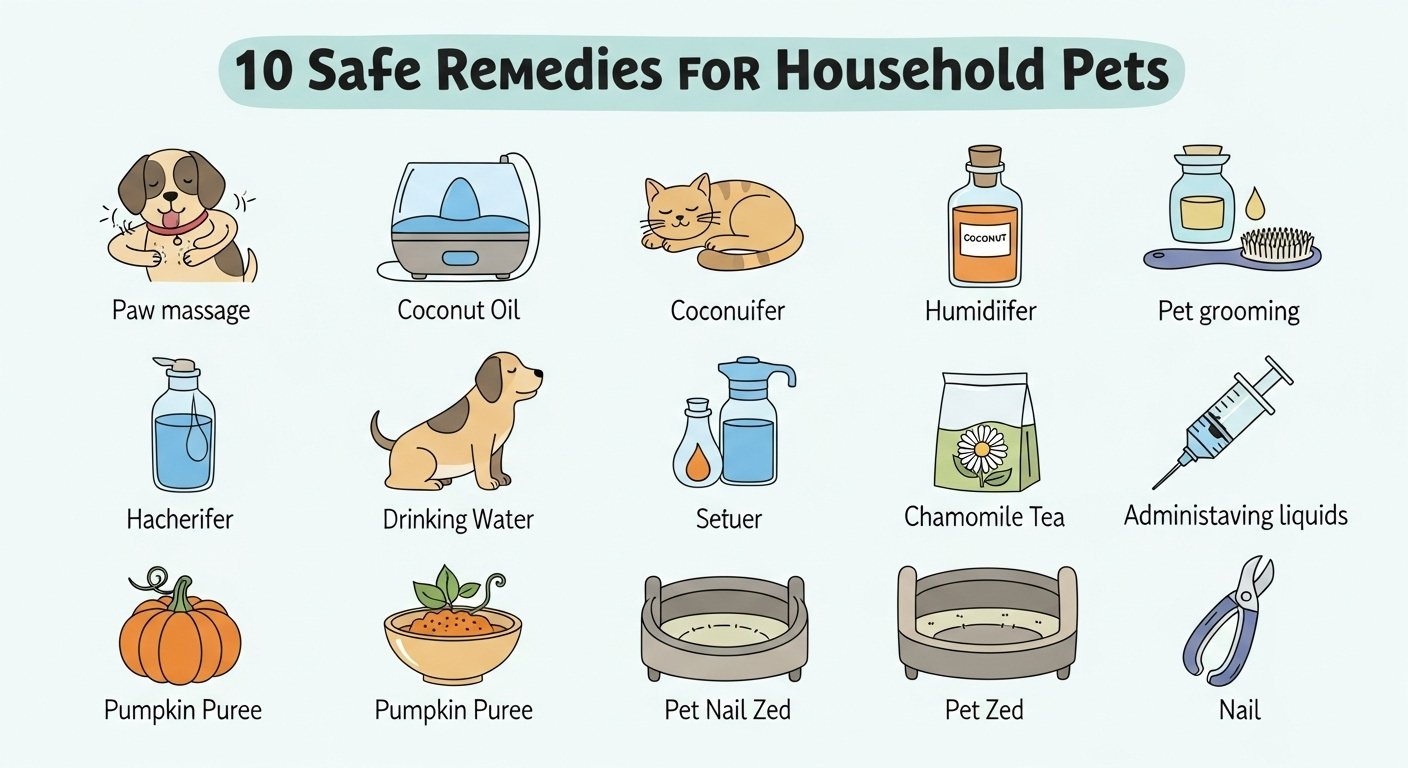
Hey pet lovers! If you’re like me, your furry friends are family, and nothing tugs at the heartstrings like seeing them uncomfortable. Whether it’s itchy skin, tummy troubles, or those pesky fleas, we’ve all been there scrambling for quick relief. But safety first—always consult your vet before trying any home remedy, especially since what works for dogs might not suit cats (and vice versa). These 10 vet-approved and natural remedies are drawn from reliable sources to help ease common issues at home while you wait for professional advice. Think of this as your go-to guide for gentle, pet-friendly fixes. Pin it for later, and let’s dive in!
1. Oatmeal Bath for Itchy or Dry Skin
Oatmeal isn’t just a breakfast staple; it’s a soothing superstar for pets with irritated skin. This remedy helps calm inflammation and moisturize dry patches, making it ideal for dogs and cats prone to allergies or seasonal itchiness.
How to Use: Grind plain, uncooked oatmeal into a fine powder using a blender. Mix about 1/2 to 1 cup into a tub of warm (not hot) water. Let your pet soak for 5-10 minutes, gently massaging the mixture into their fur. Rinse thoroughly and pat dry. For cats who hate baths, try an oatmeal-based shampoo instead.
Precautions: Use only plain oatmeal—no added sugars or flavors. If your pet has open wounds or severe itching, skip this and head to the vet. Always test a small area first to avoid reactions. 12 10
2. Bland Diet for Mild Diarrhea
When your dog’s tummy is acting up from something they ate (we’re looking at you, sneaky scavengers), a simple bland diet can help rest their gut and firm up stools without harsh meds.
How to Use: Boil lean chicken or turkey (no skin or bones) and mix with plain white rice in a 1:2 ratio (one part meat to two parts rice). Feed small portions 3-4 times a day for 2-3 days. Add a spoonful of plain canned pumpkin for extra fiber.
Precautions: This is for mild cases only— if there’s blood, vomiting, or lethargy, see a vet immediately. Not suitable for cats without vet approval, as they have different dietary needs. 10
3. Epsom Salt Soak for Sore or Licking Paws
Excessive paw licking can lead to irritation, especially in allergy-prone dogs. An Epsom salt soak cleanses and soothes, reducing inflammation and allergens.
How to Use: Dissolve 1/2 cup of Epsom salt in a basin of warm water. Soak your dog’s paws for 5-10 minutes daily. Dry thoroughly afterward and use a cone if they keep licking.
Precautions: For dogs only—cats may ingest it while grooming, which isn’t ideal. Avoid if there are open wounds, and consult a vet if licking persists. 10
4. Dawn Dish Soap Bath for Fleas
For puppies or small dogs too young for chemical treatments, a gentle Dawn soap bath can drown fleas on contact without harsh ingredients.
How to Use: Lather your pet with original blue Dawn dish soap in lukewarm water, focusing on flea-prone areas like the neck and tail. Let it sit for 5 minutes, then rinse well. Follow up with a flea comb.
Precautions: This kills adult fleas but not eggs—combine with vet-approved preventives. Not for cats, as they groom excessively and could ingest soap. Use sparingly to avoid drying skin. 10
5. Slippery Elm for Indigestion or Loose Stools
This herbal remedy acts like a gentle gut soother for both dogs and cats dealing with minor digestive upset, helping to coat and calm the intestines.
How to Use: Mix 1 teaspoon of slippery elm powder with 1 cup of warm water to make a syrup. Administer 1/2 teaspoon per 10 pounds of body weight every 2-4 hours, up to 24 hours. Use a syringe for easy dosing.
Precautions: Source high-quality powder from pet-safe brands. Stop if symptoms worsen, and always vet-check for underlying issues like parasites. 12
6. Apple Cider Vinegar in Water for Flea Deterrence
A natural flea repellent, apple cider vinegar changes your pet’s scent to make them less appealing to pests when added to their drinking water.
How to Use: Add 1 teaspoon of organic, unfiltered apple cider vinegar per quart of fresh water. Start small to ensure they drink it. For external use, dilute 1:1 with water and spray on fur (avoid eyes).
Precautions: For both dogs and cats, but monitor intake—too much can upset stomachs. Not a standalone treatment; pair with proper flea control. 12
7. Calendula Tincture Solution for Minor Cuts
For small scrapes or abrasions, this herbal mix cleanses and promotes healing without stinging.
How to Use: Combine 1 pint water, 1/2 teaspoon salt, and 1/2 teaspoon calendula tincture. Soak paws or apply to body wounds with a spray bottle every 4-6 hours for the first day.
Precautions: For dogs and cats—use pet-safe tincture only. Deep wounds need vet care to prevent infection. 12
8. Echinacea/Goldenseal for Bites and Scratches
This natural antiseptic rinse helps flush minor wounds and prevent abscesses, especially in cats who love outdoor adventures.
How to Use: Mix 1 pint water, 1/2 teaspoon salt, and 1/2 teaspoon echinacea/goldenseal tincture. Rinse fresh wounds thoroughly. For draining abscesses, clean gently with gloves.
Precautions: Wear gloves; cat bites often abscess. Serious injuries require immediate vet attention. 12
9. Vitamin E for Itchy Ears
Soothe red or inflamed ears with vitamin E oil, which moisturizes and reduces irritation from buildup.
How to Use: Pierce a vitamin E capsule and apply the oil gently to the outer ear with a cotton ball. For wax removal, use vegetable oil on gauze.
Precautions: For dogs and cats—never insert deep into the canal. If head shaking or odor persists, it’s vet time. 12
10. Saline Rinse for Sore or Runny Eyes
A gentle eye flush can clear mild irritation or discharge, keeping those peepers bright.
How to Use: Use sterile saline solution (contact lens type) to rinse eyes every 4 hours. Apply with a dropper or soaked cotton ball, wiping from inner to outer corner.
Precautions: For both pets—if discharge is yellow/green or eyes are swollen, seek vet help ASAP. Avoid if scratches are suspected. 12
There you have it—10 tried-and-true remedies to keep your pets comfy and happy at home! Remember, these are supplements to professional care, not replacements. If symptoms linger or worsen, book that vet visit pronto. What’s your go-to pet remedy? Share in the comments, and don’t forget to pin this for your pet-parent pals!