
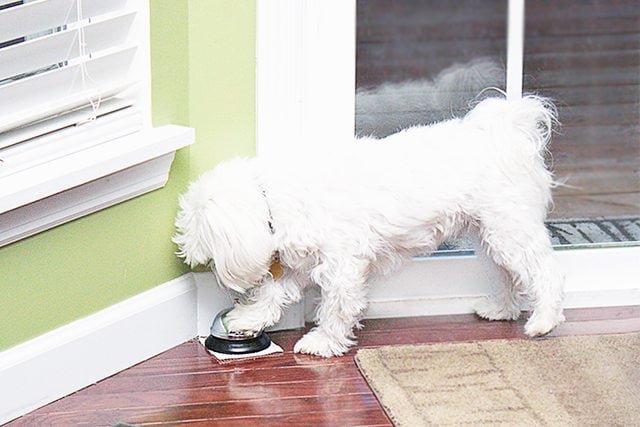
Bell training can be an effective method to help your dog communicate their need to go outside, reducing accidents and building better understanding between you and your pet. Research from dog training experts suggests this technique works well for puppies and adult dogs alike, though patience and consistency are key factors in success.
Key Points
- Nose Boop Method: Gently guide your dog to touch the bell with their nose, associating it with going out.
- Paw Ring Method: Teach your dog to use their paw to ring the bell, ideal for more active or paw-oriented breeds.
- Treat Lure Approach: Use treats to encourage interaction with the bell, making training fun and reward-based.
- Peanut Butter Trick: Apply a tasty spread to the bell to draw your dog’s interest naturally.
- Talking Buttons Alternative: For tech-savvy owners, use recordable buttons as a modern twist on traditional bells.
These methods generally take 1-2 weeks with daily practice, but results can vary based on your dog’s age, breed, and temperament. It seems likely that combining positive reinforcement with any approach will yield the best outcomes, as evidence from trainers emphasizes praise over punishment.
Choosing the Right Bell
Start by selecting a bell that’s audible and accessible—hanging strands from a doorknob or desk-style bells work best. Place it at your dog’s nose or paw level near the potty door.
Tips for Success
Be consistent by using the bell every time you go out, and always reward successful rings with praise and treats. If your dog misuses the bell, redirect gently without scolding to avoid confusion.
Teaching your dog to use a bell for potty signals is a practical and rewarding training technique that enhances communication and helps prevent indoor accidents. Drawing from established methods by organizations like the American Kennel Club and various dog training blogs, this detailed guide explores five effective ways to implement bell training. While the core principle remains associating the bell with outdoor potty breaks, each method offers variations to suit different dogs and owner preferences. We’ll cover step-by-step instructions, timelines, tips, potential challenges, and more to provide a comprehensive resource.
Understanding Bell Training Basics
Before diving into the methods, it’s essential to grasp why bell training works. Dogs naturally signal needs through behaviors like scratching or whining, but a bell provides a clear, audible cue that’s easy for humans to recognize. According to the American Kennel Club, this method streamlines potty training by building a “shared language” between pet and owner. It’s suitable for all ages—from 8-week-old puppies to senior dogs—and breeds, though noise-sensitive pups might prefer softer options like buttons.
Key benefits include:
- Reduced frustration for both dog and owner.
- Fewer accidents during housebreaking.
- Improved bonding through positive interactions.
Preparation: Choose a bell type (e.g., hanging jingle bells, desk bells, or electronic buttons) and hang or place it near the primary potty door at your dog’s reachable height. Maintain a consistent potty schedule—every 2-4 hours for puppies, after meals, naps, or play—and designate a specific outdoor spot for elimination to reinforce the routine.
The 5 Ways in Detail
1. The Nose Boop Method
This approach focuses on teaching your dog to touch the bell with their nose, a natural behavior for many curious pups. It’s highlighted in guides from Walk and Wag, which outline a two-week timeline for mastery.
Step-by-Step Instructions:
- Hang a loud bell (like a cowbell) from the door at nose level.
- For the first seven days, gently swing the bell to tap your dog’s muzzle before opening the door for potty breaks. Praise enthusiastically and exit immediately.
- On day eight, swing the bell to stop just in front of their nose. If they extend to touch it, praise and go out. If not, revert to assisted taps for a few more days.
- Gradually reduce your assistance until, by day 14, your dog rings independently.
Timeline: 1-2 weeks with 5-10 daily sessions.
Tips: Use this for nose-oriented breeds like hounds. If your dog is hesitant, incorporate treats for initial touches.
Challenges and Solutions: Accidental rings—respond immediately but confirm potty need; ignore non-potty uses to prevent misuse.
2. The Paw Ring Method
Ideal for dogs that naturally use their paws, this method involves guiding the paw to ring the bell, as suggested in community forums like Reddit and Facebook groups.
Step-by-Step Instructions:
- Introduce the bell on the floor for sniffing and pawing; reward any contact.
- Hang it near the door. Each time you head out, gently take your dog’s paw and make them hit the bell while saying a cue like “potty” or “outside.”
- Praise lavishly and open the door right away.
- After a week, encourage independent pawing by pointing to the bell without assistance.
- Reinforce with treats only after successful potty outside.
Timeline: About 1 week for association, plus another for independence.
Tips: Great for active breeds like terriers. Use a sturdy bell to withstand pawing.
Challenges and Solutions: Paw damage to doors—opt for a wall-mounted bell; if the dog resists, switch to nose method.
3. The Treat Lure Approach
Leveraging food motivation, this technique uses treats to draw your dog to the bell, as detailed in resources from How to Train a Dream Dog.
Step-by-Step Instructions:
- Hang bells next to (not on) the door.
- For week one, ring the bells yourself before outings, say “Go Potty,” and reward after elimination.
- Week two: Show a treat, lure their nose or paw to touch the bells, then go out.
- Phase out the lure by gesturing empty-handed; reward post-potty.
- If no potty occurs, crate for 5-10 minutes and retry.
Timeline: 2-3 weeks, depending on the dog’s learning speed.
Tips: Use high-value treats; combine with a leash for focused potty trips.
Challenges and Solutions: Over-reliance on treats—fade them gradually; for picky eaters, use play as reward.
4. The Peanut Butter Trick
A flavorful variation to spark interest, this method smears peanut butter on the bell to encourage licking and ringing, mentioned in training communities.
Step-by-Step Instructions:
- Apply a small dab of peanut butter (or cream cheese) to the bell.
- Let your dog lick it off, causing the bell to ring; praise and take them outside.
- Repeat before every potty break, gradually reducing the amount.
- Transition to independent ringing by pointing to the bell without the spread.
- Reward after potty to link the sequence.
Timeline: Quick start (1-3 days for interest), full training in 1-2 weeks.
Tips: Allergy-safe alternatives like yogurt; clean the bell regularly.
Challenges and Solutions: Messiness—use a washable bell; if no interest, try a different flavor.
5. Using Talking Buttons Alternative
For a modern twist, employ recordable buttons that “speak” cues, as recommended by the AKC inspired by speech pathologists.
Step-by-Step Instructions:
- Record a button with “outside” or “potty.”
- Place it near the door; press it yourself before outings.
- Encourage touches with treats or nose guides.
- When the dog presses, praise and go out immediately.
- Expand to multiple buttons for advanced communication.
Timeline: 2-4 weeks, as buttons may require more adaptation.
Tips: Start with one button; great for apartments where bells might disturb neighbors.
Challenges and Solutions: Cost—affordable sets available; confusion with multiple buttons—introduce slowly.
Comparison Table of the 5 Ways
| Method | Best For | Timeline | Tools Needed | Pros | Cons |
|---|---|---|---|---|---|
| Nose Boop | Curious, nose-driven dogs | 1-2 weeks | Hanging bell | Simple, low effort | May not suit paw users |
| Paw Ring | Active, paw-oriented breeds | 1-2 weeks | Sturdy bell | Engages natural behaviors | Risk of door scratches |
| Treat Lure | Food-motivated pups | 2-3 weeks | Bells + treats | Fun and rewarding | Potential over-dependence |
| Peanut Butter Trick | Hesitant or picky dogs | 1-2 weeks | Bell + spread | Quick interest buildup | Messy cleanup |
| Talking Buttons | Tech enthusiasts, quiet homes | 2-4 weeks | Recordable buttons | Advanced communication | Higher cost, steeper learning |
Advanced Tips and Troubleshooting
- Consistency Across Household: Ensure all family members follow the same cues to avoid mixed signals.
- Preventing Misuse: Limit bell access during non-potty times; use leashes to distinguish potty from play.
- For Puppies vs. Adults: Puppies learn faster but need more frequent breaks (age in months +1 hours max holding time). Adults may require unlearning old habits.
- Common Issues: If the dog ignores the bell, revisit introduction with more rewards. For excessive ringing, assess if needs like boredom or hunger are unmet.
- Health Considerations: Consult a vet if accidents persist, as they could indicate medical issues.
This training not only aids potty routines but also empowers your dog, fostering a happier home. With patience, most dogs adapt quickly, transforming potty time into a seamless part of daily life.