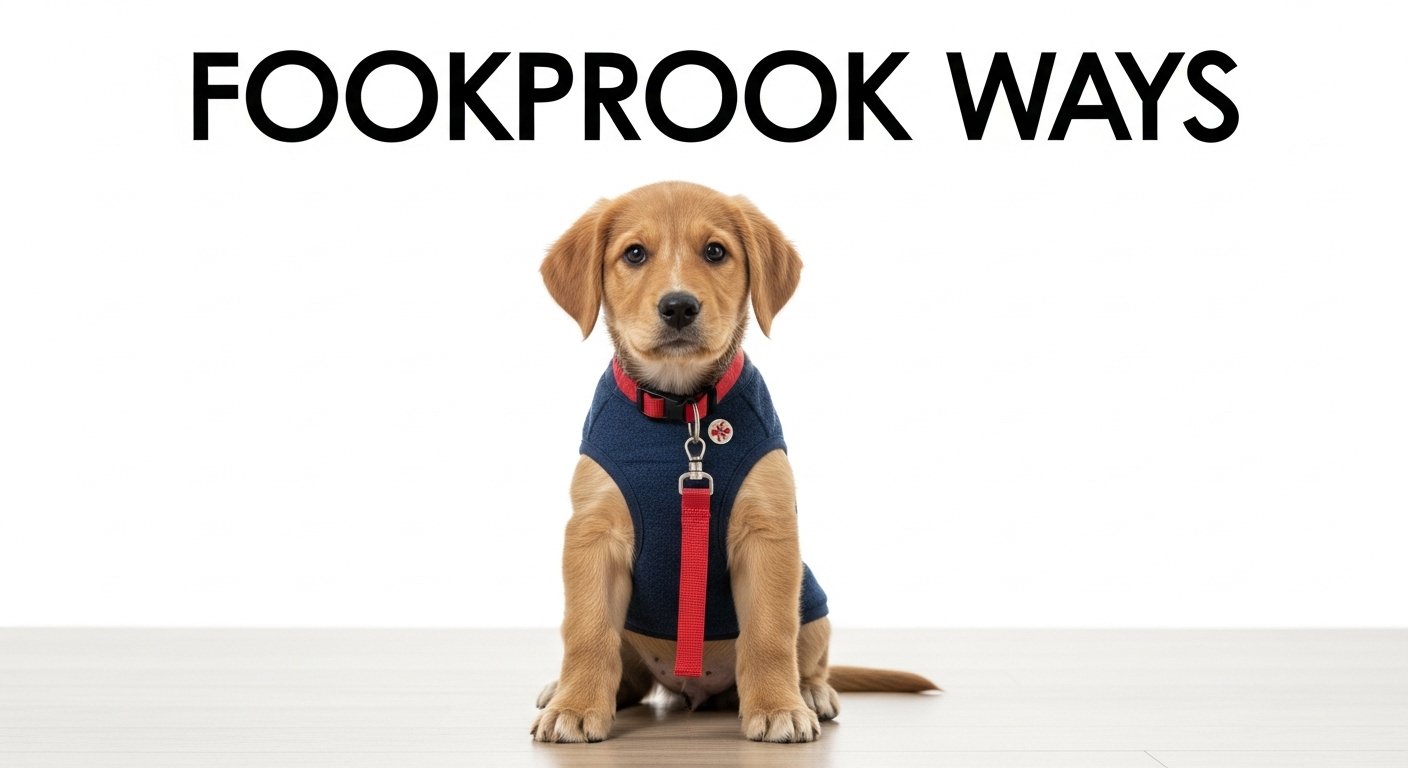
Bringing home a new puppy is one of life’s greatest joys—those fluffy ears, wagging tails, and endless energy! But let’s be real: without proper training, that bundle of cuteness can quickly turn your home into a chaotic playground. The good news? You can lay a solid foundation for a well-behaved pup in just one week with consistent, positive methods. This guide breaks down 10 foolproof strategies to train your puppy fast, focusing on kindness, repetition, and fun. Whether you’re a first-time dog parent or a seasoned pro, these tips will help your furry friend thrive.
1. Set Up a Consistent Daily Routine
Puppies thrive on predictability, just like babies. Establishing a schedule from day one helps them understand expectations and reduces accidents.
- Why it works in 7 days: Routines build habits quickly through repetition.
- How to do it: Feed, potty, play, and nap at the same times daily. For example: Wake up at 7 AM, potty break, breakfast, playtime, crate nap.
- Day-by-day plan: Days 1-2: Introduce the schedule with verbal cues like “potty time.” Days 3-5: Reinforce with treats. Days 6-7: Test by varying slightly and rewarding adherence.
2. Master Potty Training Basics
No one wants surprise puddles! Potty training is priority number one for a happy home.
- Why it works in 7 days: Puppies have small bladders, so frequent breaks lead to fast learning.
- How to do it: Take your pup outside every 30-60 minutes, after meals, naps, and play. Use a command like “go potty” and praise lavishly when they succeed.
- Day-by-day plan: Days 1-3: Supervise indoors and rush outside at signs of sniffing or circling. Days 4-5: Introduce bells on the door for them to ring. Days 6-7: Extend time between breaks and celebrate accident-free days.
- Pro Tip: Clean accidents with enzymatic cleaners to remove scents that encourage repeats. Imagine pinning before-and-after pics of your spotless floors!
3. Introduce Crate Training for Security
A crate isn’t a cage—it’s a cozy den that teaches independence and prevents mischief.
- Why it works in 7 days: Pups naturally avoid soiling their sleep space, aiding potty training.
- How to do it: Make the crate inviting with blankets and toys. Feed meals inside and gradually close the door for short periods.
- Day-by-day plan: Day 1: Let them explore voluntarily. Days 2-4: Practice 10-20 minute sessions with treats. Days 5-7: Overnight crating with potty breaks.
4. Teach the “Sit” Command First
“Sit” is the gateway to all obedience—it’s simple and builds focus.
- Why it works in 7 days: It’s an easy win that boosts your pup’s confidence.
- How to do it: Hold a treat above their nose, move it back so their butt drops, say “sit,” and reward immediately.
- Day-by-day plan: Days 1-2: Practice 5 times per session. Days 3-5: Add distractions like toys. Days 6-7: Use hand signals only.
5. Practice “Stay” for Impulse Control
Once they sit, teach them to hold it with “stay,” preventing door-dashing or jumping.
- Why it works in 7 days: Short increments build duration rapidly.
- How to do it: Command “sit,” then “stay” while stepping back. Return and reward.
- Day-by-day plan: Days 1-3: 5-second stays. Days 4-6: Increase to 30 seconds with distance. Day 7: Practice in new environments.
6. Start Leash Training Indoors
Walks should be enjoyable, not a tug-of-war. Begin inside to avoid overwhelm.
- Why it works in 7 days: Indoor practice minimizes distractions.
- How to do it: Attach a loose leash, walk around, and reward for staying by your side. Stop if they pull.
- Day-by-day plan: Days 1-2: Loose leash in the living room. Days 3-5: Add turns and stops. Days 6-7: Short outdoor walks.
7. Encourage Bite Inhibition Through Play
Puppies explore with their mouths—teach gentle play to avoid nips.
- Why it works in 7 days: Consistent feedback curbs hard biting fast.
- How to do it: Yelp “ouch!” and stop play if they bite too hard. Redirect to toys.
- Day-by-day plan: Days 1-3: Supervised play sessions. Days 4-7: Introduce “gentle” command and praise soft mouths.
8. Socialize Safely with People and Pets
Early exposure prevents fear-based behaviors later.
- Why it works in 7 days: Positive encounters create lasting impressions.
- How to do it: Introduce calm friends, sounds, and other vaccinated pups. Reward calm behavior.
- Day-by-day plan: Days 1-2: Home visitors. Days 3-5: Park outings from a distance. Days 6-7: Playdates.
- Safety Note: Keep it positive—overwhelm can backfire. Share heartwarming socialization stories on your pins!
9. Use Positive Reinforcement Everywhere
Rewards over punishment: It’s the secret to motivated learning.
- Why it works in 7 days: Pups repeat what gets treats, speeding up progress.
- How to do it: Praise, pet, or treat good behavior immediately. Ignore minor mishaps.
- Day-by-day plan: Integrate into all training. By day 7, fade treats for verbal praise.
10. Incorporate Daily Exercise and Mental Stimulation
A tired puppy is a good puppy—burn energy to prevent boredom behaviors.
- Why it works in 7 days: Exercise reinforces calm states.
- How to do it: Short walks, puzzle toys, and games like fetch.
- Day-by-day plan: Days 1-3: 10-minute sessions. Days 4-7: Build to 20-30 minutes.
- Fun Twist: DIY enrichment ideas, like treat-hiding games—pin them for endless inspiration!
Wrapping Up: Your Well-Trained Pup Awaits
In just 7 days, you’ve equipped your puppy with essential skills for a lifetime of companionship. Remember, training is ongoing, so keep practicing and celebrating milestones. If challenges arise, seek advice from a certified trainer. Share your success stories in the comments—did your pup nail “sit” on day one?