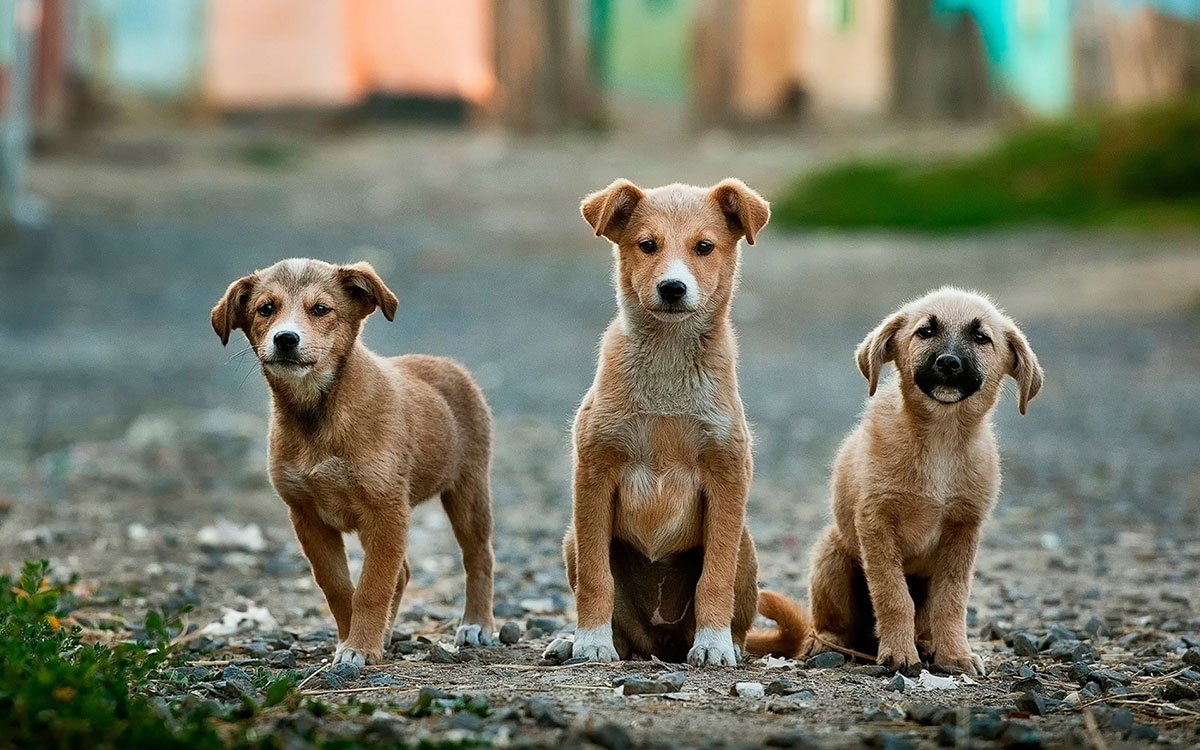
Bringing home a new puppy is an exciting adventure filled with cuddles, playtime, and a whole lot of learning—for both you and your furry friend! As a new owner, you might feel overwhelmed, but don’t worry. Training your puppy early sets the foundation for a well-behaved, happy dog. These 10 essential tips will guide you through the basics, using positive methods to build a strong bond. Remember, patience and consistency are key. Let’s dive in!
1. Establish a Consistent Routine
Puppies thrive on predictability. Set a daily schedule for feeding, potty breaks, playtime, and sleep. This helps your pup understand what to expect and reduces accidents. Start by taking them outside every 1-2 hours, especially after meals or naps. Use the same door and spot each time to reinforce the habit. Over time, they’ll learn to signal when they need to go.
2. Use Positive Reinforcement
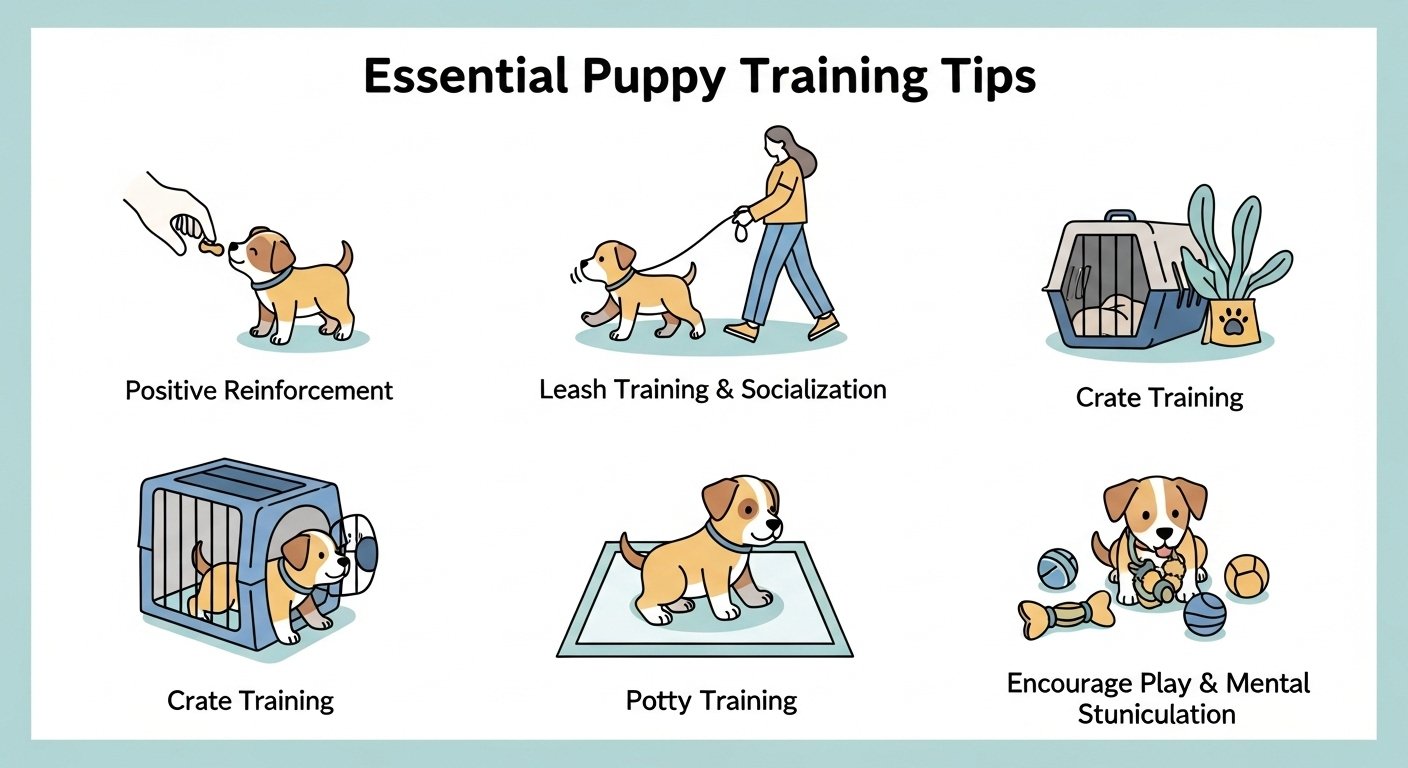
Reward good behavior with treats, praise, or play instead of punishing mistakes. When your puppy sits on command, give them a treat immediately. This encourages repetition. Choose high-value rewards like small pieces of chicken or cheese for tough lessons. Avoid yelling, as it can create fear—focus on making training fun and rewarding.
3. Socialize Early and Often
Expose your puppy to new people, animals, sounds, and environments between 8-12 weeks old. This critical period helps prevent fear-based behaviors later. Start with controlled settings like puppy classes or short walks. Reward calm interactions. Gradually introduce busier places, always monitoring for stress signs like tucked tails or whining.
4. Teach Basic Commands
Begin with simple cues like “sit,” “stay,” and “come.” For “sit,” hold a treat above their nose and move it back until their bottom drops—then reward. Practice in short 5-10 minute sessions daily. Use a cheerful tone and be patient; puppies have short attention spans. Mastering these builds obedience and safety.
5. Master House Training
Accidents happen, but consistency speeds up the process. Take your pup out first thing in the morning, after eating, and before bed. Praise lavishly when they go outside. If you catch them indoors, interrupt gently and take them out—no scolding. Use enzymatic cleaners for messes to remove scents that encourage repeats.
6. Introduce Crate Training
A crate is a safe den for your puppy, aiding in house training and preventing destructive chewing. Make it cozy with bedding and toys. Feed meals inside and leave the door open initially. Gradually increase alone time, starting with minutes. Never use it for punishment; it should be a positive space.
7. Practice Leash Training
Start indoors with a lightweight leash. Let your pup drag it around to get used to the feel. Then, walk short distances, rewarding for staying by your side. If they pull, stop walking until the leash slackens. Use treats to encourage “heel.” Outdoor walks build on this, turning exercise into training.
8. Discourage Biting and Chewing
Puppies explore with their mouths, but teach bite inhibition early. When they nip, yelp loudly and withdraw attention for 30 seconds. Offer chew toys instead. If chewing furniture, redirect to appropriate items and use bitter sprays on off-limits spots. Consistent redirection prevents bad habits from forming.
9. Provide Ample Exercise and Mental Stimulation
A tired puppy is a good puppy! Daily walks, play sessions, and puzzle toys keep them engaged. Aim for age-appropriate activity—short bursts for young pups. Mental games like hide-and-seek with treats build focus. This reduces boredom-related mischief like digging or barking.
10. Be Patient and Seek Help if Needed
Training takes time; celebrate small wins and forgive setbacks. If issues persist, like aggression or severe anxiety, consult a professional trainer or vet. Group classes can provide structure and socialization. Remember, every pup is unique—adjust methods to fit their personality.
Training your new puppy is a journey that strengthens your bond and creates a lifelong companion. Stay positive, consistent, and enjoy the process. Your efforts now will pay off in a well-mannered dog. If you have questions or want more breed-specific advice, drop a comment below! 🐶