As our furry companions age, their nutritional needs evolve. Senior dogs require diets tailored to support their aging bodies, promote vitality, and address common health concerns like joint stiffness, weight changes, and digestive issues. Crafting the perfect diet for your senior dog can enhance their quality of life and keep their tail wagging for years to come. In this Pinterest-friendly guide, we’ll explore 10 of the best diet tips for senior dogs, packed with practical advice, visually appealing ideas, and pet-parent-approved strategies to keep your canine companion thriving.
Why Senior Dogs Need a Specialized Diet
Senior dogs, typically those over 7–10 years old (depending on breed and size), experience changes in metabolism, energy levels, and organ function. A well-balanced diet can help:
- Maintain a healthy weight: Older dogs are prone to weight gain or loss.
- Support joint health: Nutrients like glucosamine and omega-3s ease arthritis.
- Boost immunity: Antioxidants combat age-related immune decline.
- Improve digestion: High-fiber foods aid sensitive stomachs.
- Enhance coat and skin health: Essential fatty acids keep their coat shiny.
Let’s dive into the top 10 diet tips to keep your senior dog healthy, happy, and full of energy!
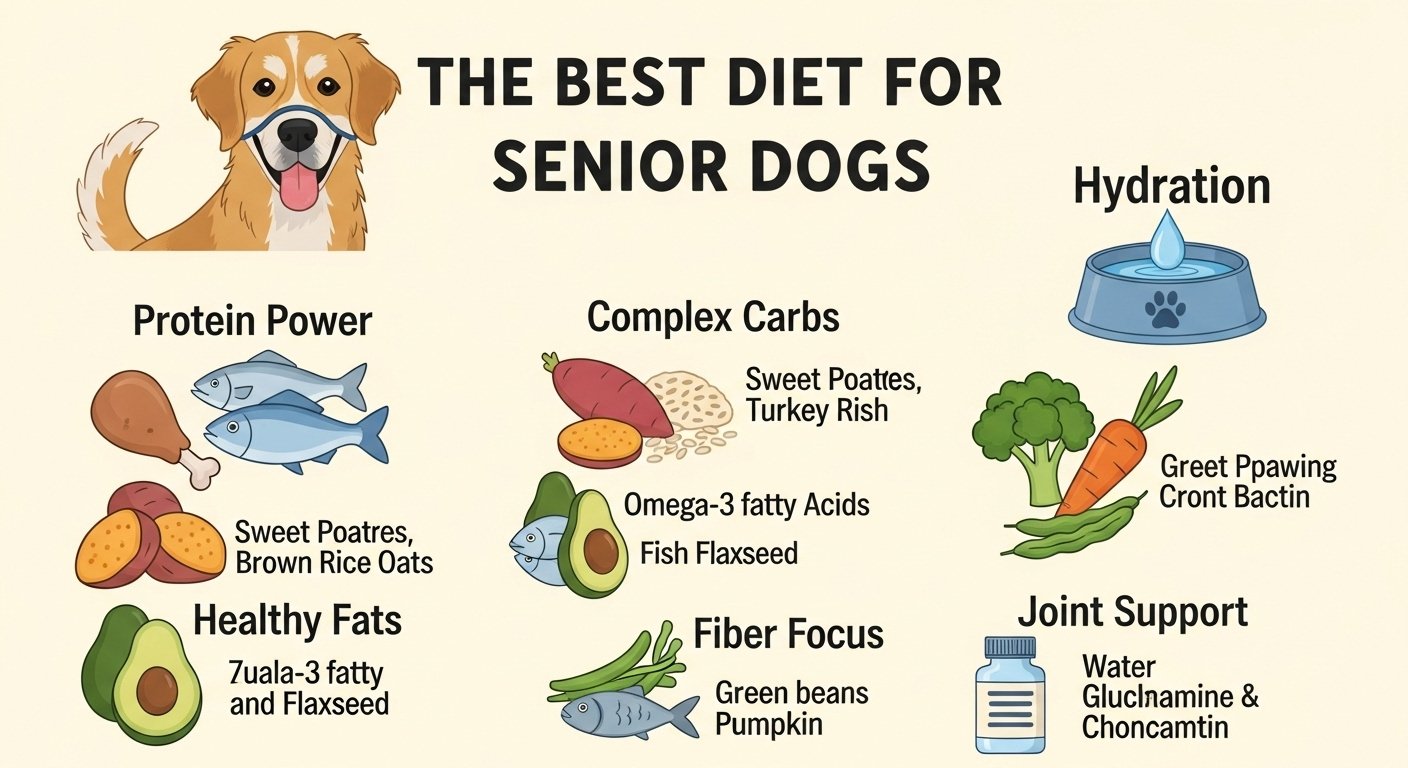
1. Prioritize High-Quality Protein
Why it matters: Protein supports muscle maintenance, which is critical for senior dogs as muscle mass naturally declines with age. High-quality, easily digestible protein sources help maintain strength without overloading their kidneys.
Best choices:
- Lean meats like chicken, turkey, or fish.
- Eggs (cooked) for a protein-packed treat.
- Limited-ingredient dog foods with named meat sources (e.g., “chicken” instead of “poultry by-products”).
Tip: Look for dog foods labeled “senior” with 25–30% protein content. Consult your vet to ensure protein levels suit your dog’s kidney and liver health.
2. Incorporate Omega-3 Fatty Acids
Why it matters: Omega-3s, found in fish oil and flaxseed, reduce inflammation, support joint health, and promote a glossy coat. They’re especially beneficial for dogs with arthritis or skin issues.
Best sources:
- Salmon oil or fish oil supplements.
- Sardines (low-sodium, packed in water).
- Flaxseed oil (small amounts for plant-based omega-3s).
Tip: Add a teaspoon of fish oil to your dog’s meal daily, but check with your vet for the correct dosage based on weight.
3. Choose Easily Digestible Carbohydrates
Why it matters: Senior dogs often have sensitive stomachs, so easily digestible carbs provide energy without causing digestive upset.
Best choices:
- Brown rice or oatmeal for fiber and gentle digestion.
- Sweet potatoes for a nutrient-dense, low-glycemic option.
- Avoid corn, wheat, or soy if your dog has sensitivities.
Tip: Mix cooked sweet potato or pumpkin into their kibble for a tasty, digestion-friendly boost.
4. Add Fiber for Digestive Health
Why it matters: Fiber promotes regular bowel movements and supports gut health, which can slow down in older dogs.
Best sources:
- Pumpkin puree (canned, unsweetened) for soluble fiber.
- Green beans or carrots as low-calorie, high-fiber treats.
- Senior dog foods with added fiber like beet pulp or chicory root.
Tip: Start with small amounts of fiber to avoid gas or bloating, and ensure your dog drinks plenty of water.
5. Support Joint Health with Glucosamine and Chondroitin
Why it matters: Arthritis and joint stiffness are common in senior dogs. Glucosamine and chondroitin support cartilage health and improve mobility.
Best sources:
- Dog foods or treats fortified with glucosamine and chondroitin.
- Bone broth (low-sodium, homemade) for natural joint-supporting nutrients.
- Supplements (vet-approved) for targeted support.
Tip: Look for senior-specific formulas that include these ingredients, or ask your vet about joint supplements.
6. Control Calories to Prevent Obesity
Why it matters: Senior dogs are less active, and excess weight can strain joints and organs. A calorie-controlled diet helps maintain a healthy weight.
Best practices:
- Choose low-calorie senior dog foods or reduce portion sizes.
- Replace high-calorie treats with veggies like baby carrots or green beans.
- Monitor weight monthly and adjust portions as needed.
Tip: Use a measuring cup for precise portions and avoid free-feeding.
7. Boost Antioxidants for Immune Health
Why it matters: Antioxidants like vitamins C, E, and beta-carotene fight free radicals, supporting immune function and slowing age-related decline.
Best sources:
- Blueberries or cranberries as occasional treats.
- Spinach or kale (lightly steamed, small amounts).
- Dog foods with added antioxidants like vitamin E or selenium.
Tip: Offer a few blueberries as a treat, but avoid overfeeding fruits due to sugar content.
8. Ensure Proper Hydration
Why it matters: Senior dogs are prone to dehydration, especially if they have kidney issues or take medications. Wet food or added water can help.
Best practices:
- Feed wet or canned food to increase moisture intake.
- Add low-sodium bone broth or water to dry kibble.
- Provide fresh, clean water at all times.
Tip: Use a pet water fountain to encourage drinking, as many dogs prefer running water.
9. Consider Prescription Diets for Health Conditions
Why it matters: Many senior dogs develop conditions like kidney disease, diabetes, or heart issues that require specialized diets.
Best options:
- Veterinary prescription diets (e.g., Hill’s or Royal Canin) for specific conditions.
- Low-protein diets for kidney issues or low-fat diets for pancreatitis (vet-guided).
- Grain-free or hypoallergenic diets for food sensitivities.
Tip: Always consult your vet before switching to a prescription diet.
10. Feed Smaller, Frequent Meals
Why it matters: Smaller, more frequent meals are easier on aging digestive systems and help maintain steady energy levels.
Best practices:
- Split daily food into 2–3 smaller meals.
- Feed at consistent times to regulate digestion.
- Avoid large meals that could cause bloating or discomfort.
Tip: Use puzzle feeders or slow-feed bowls to make mealtime engaging and prevent gulping.
Bonus Tips for a Happy, Healthy Senior Dog
- Consult your vet: Regular check-ups ensure your dog’s diet matches their health needs.
- Transition gradually: Switch to new foods over 7–10 days to avoid digestive upset.
- Monitor treats: Limit treats to 10% of daily calories to prevent weight gain.
- Add variety: Rotate proteins or add safe veggies for mental stimulation.
Sample Senior Dog Meal Plan
Here’s a simple, vet-approved meal plan idea for a senior dog (adjust portions based on your dog’s size and needs):
- Breakfast: ½ cup senior kibble + 1 tbsp canned pumpkin + 1 tsp fish oil.
- Lunch: ¼ cup cooked chicken + ¼ cup steamed green beans.
- Dinner: ½ cup senior kibble + 1 tbsp low-sodium bone broth + 2–3 blueberries.
Conclusion
Feeding your senior dog the right diet is a loving way to support their golden years. By focusing on high-quality protein, joint-supporting nutrients, and easy-to-digest ingredients, you can keep your furry friend healthy and happy. Always work with your veterinarian to tailor the diet to your dog’s unique needs, and don’t be afraid to get creative with Pinterest-worthy meal ideas! 🐾