As a dog owner, you know your furry friend relies on their paws for everything—from zooming around the park to snuggling up at home. But cracked paws can turn those happy adventures into painful ordeals. Imagine your pup limping or constantly licking their feet; it’s heartbreaking! Cracked dog paws are a common issue, often caused by environmental factors, but the good news is they’re largely preventable with some simple care routines. In this guide, we’ll dive into the causes, signs, prevention strategies, and treatments to keep your dog’s paws soft, healthy, and crack-free. Let’s paw-sitively protect those precious feet!
What Causes Cracked Dog Paws?
Understanding the root causes is the first step to prevention. Cracked paws, also known as dry or fissured paw pads, happen when the natural moisture in your dog’s feet is stripped away, leading to splits and discomfort. Here are the most common culprits:
- Extreme Weather Conditions: Hot pavement in summer can burn and dry out paws, while winter snow, ice, and salt from de-icing chemicals cause irritation and cracking.
- Dry Air and Low Humidity: Indoor heating in winter or arid climates can sap moisture from your dog’s skin, including their paws.
- Rough Surfaces and Overuse: Frequent walks on concrete, gravel, or rocky terrain can wear down paw pads over time.
- Allergies or Skin Conditions: Environmental allergens, food sensitivities, or underlying issues like hyperkeratosis can make paws more prone to cracking.
- Nutritional Deficiencies: A lack of essential fatty acids or zinc in your dog’s diet might contribute to dry skin overall.
If you notice cracks, it’s often a combination of these factors—think hot summer sidewalks followed by dry indoor air.
Signs Your Dog’s Paws Are Cracking
Don’t wait for full-blown cracks to appear. Early detection can prevent pain and infection. Watch for these red flags:
- Limping or favoring certain paws during walks.
- Excessive licking or chewing at the feet.
- Redness, swelling, or bleeding on the paw pads.
- Rough, flaky, or brittle texture to the pads.
- Visible splits or fissures that might ooze or crust over.
If your dog shows any of these, inspect their paws immediately. Severe cases can lead to infections, so consult a vet if there’s bleeding or signs of pain.
Top Prevention Tips for Healthy Paws
Prevention is paw-some! Incorporate these habits into your routine to shield your dog’s feet from cracks:
- Moisturize Regularly: Apply a dog-safe paw balm or butter daily, especially in dry seasons. Look for natural ingredients like shea butter, coconut oil, or beeswax to lock in moisture. Massage it in gently for better absorption.
- Use Protective Booties: For extreme weather, invest in dog boots. They protect against hot asphalt, cold snow, and chemicals. Start with short sessions to get your pup used to them.
- Choose Paw-Friendly Walking Surfaces: Opt for grass, dirt paths, or shaded areas over hot concrete. Test pavement with your hand—if it’s too hot for you, it’s too hot for them!
- Clean Paws After Outings: Wipe paws with a damp cloth or pet-safe wipes to remove irritants like salt, dirt, or allergens. Dry them thoroughly to avoid moisture buildup.
- Maintain a Balanced Diet: Ensure your dog’s food includes omega-3 fatty acids for skin health. Supplements can help if needed, but check with your vet first.
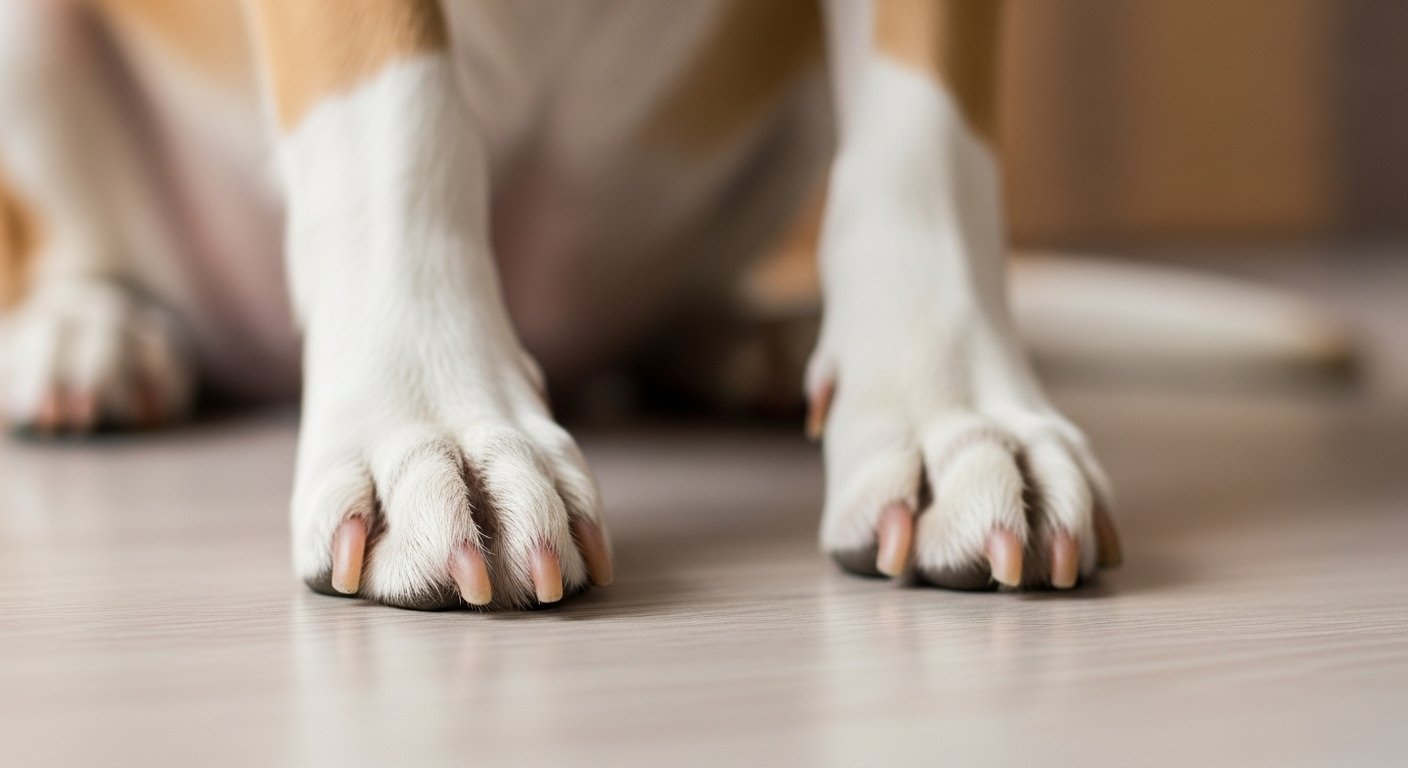
- Regular Paw Checks: Make it a habit to inspect paws weekly. Trim nails and fur between pads to prevent matting and irritation.
By following these steps, you’ll keep your dog’s paws resilient and ready for any terrain.
Treating Cracked Paws: Home Remedies and When to See a Vet
If cracks do appear, act fast to promote healing:
- Clean the Area: Gently wash with mild soap and warm water, then pat dry.
- Apply Balms or Ointments: Use paw-specific products to soothe and heal. Avoid human lotions, as they can be toxic if licked.
- Bandage if Needed: For deeper cracks, cover with a soft bandage or sock to protect while healing.
- Home Soaks: Soak paws in a mix of warm water and Epsom salts for 5-10 minutes to soften and clean.
If cracks are severe, bleeding, infected (pus, swelling, foul odor), or don’t improve in a few days, head to the vet. They might prescribe antibiotics or check for underlying issues.
Recommended Products for Paw Protection
Here are some top picks based on expert advice:
| Product Type | Recommendations | Why It Helps |
|---|---|---|
| Paw Balms | Musher’s Secret, Natural Dog Company Paw Soother | Provides a protective barrier against elements and moisturizes deeply. |
| Dog Boots | Ruffwear Grip Trex, Pawz Rubber Dog Boots | Shields from heat, cold, and rough surfaces. |
| Wipes | Earth Rated Dog Wipes | Quick cleaning after walks to remove irritants. |
Always choose pet-safe, non-toxic options—your dog might lick them!
Final Thoughts: Happy Paws, Happy Dog
Protecting your dog’s feet from cracks doesn’t have to be complicated. With regular moisturizing, smart walking choices, and a bit of vigilance, you can keep those paws in tip-top shape year-round. Your pup will thank you with endless tail wags and zoomies! Share your paw care tips in the comments, and pin this guide for fellow dog lovers. Remember, a little prevention goes a long way in keeping your best friend comfortable and active. 🐾