
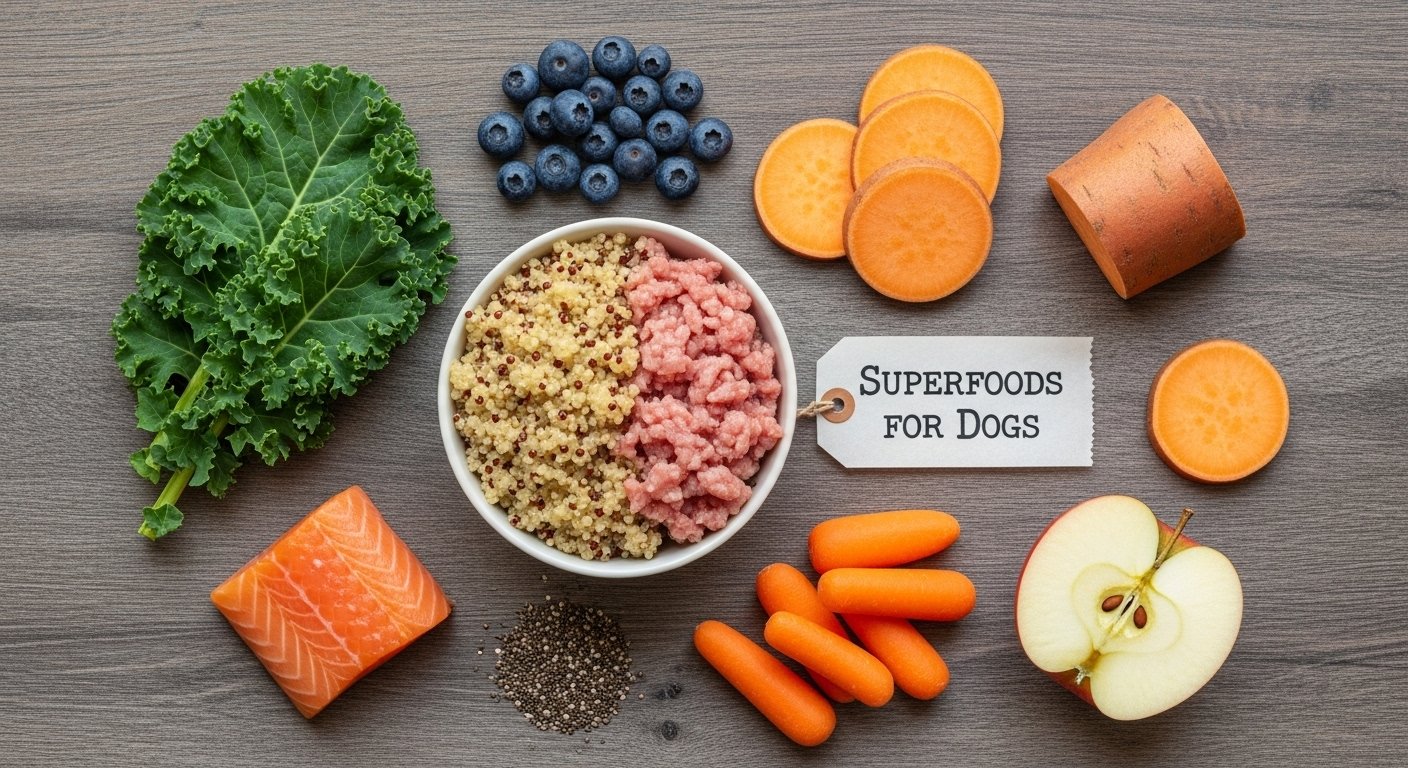
As pet parents, we all want our furry friends to live long, healthy lives full of tail wags and zoomies. Incorporating superfoods into your dog’s diet can be a simple way to boost their nutrition without fancy supplements or expensive treats. Superfoods are nutrient-dense ingredients that offer high levels of antioxidants, vitamins, minerals, and other health-promoting compounds. Many of these can be found right in your kitchen, making it easy to enhance your dog’s meals or snacks.
Remember, while these foods are generally safe and beneficial for most dogs, always introduce new items gradually and in moderation. Treats should make up no more than 10% of your dog’s daily calorie intake to avoid weight gain or digestive issues. Consult your vet before making changes, especially if your dog has health conditions like allergies or kidney problems. Let’s dive into 10 kitchen staple superfoods that can supercharge your pup’s well-being!
1. Blueberries
Blueberries are a powerhouse of antioxidants, fiber, vitamin C, and phytochemicals, which can support your dog’s immune system, brain health, and even help fight inflammation. They’re low in calories, making them an ideal treat for weight management.
How to Serve: Wash fresh or frozen blueberries and offer them whole, crushed, or mixed into your dog’s food. Avoid any with added sugars.
Recommended Portion: A small handful (about 5-10 berries) for medium-sized dogs, depending on size.
2. Bone Broth
Homemade bone broth is rich in collagen, glucosamine, and amino acids that promote joint health, gut integrity, and hydration. It’s especially great for senior dogs or those recovering from illness.
How to Serve: Simmer bones (like chicken or beef) with veggies for 12-24 hours, strain, and cool. Pour over kibble or serve as a warm drink.
Recommended Portion: 1-2 tablespoons per 10 pounds of body weight, diluted if needed.
3. Carrots
Carrots provide beta-carotene (for vitamin A), fiber, and crunch that can help clean teeth. They’re low-calorie and support eye health, digestion, and overall vitality.
How to Serve: Raw and chopped into bite-sized pieces as a chew, or steamed/grated into meals. Peel to remove pesticides.
Recommended Portion: 2-3 baby carrots per day for an average dog, chopped to prevent choking.
4. Chia Seeds
Packed with omega-3 fatty acids, fiber, protein, calcium, and antioxidants, chia seeds aid hydration, digestion, and coat health. They’re highly absorbent and can help with weight control.
How to Serve: Soak in water to form a gel, then sprinkle over food. Start small to avoid tummy upset.
Recommended Portion: Up to 1/4 teaspoon per 10 pounds of body weight daily.
5. Coconut Oil
This oil contains medium-chain triglycerides (MCTs) that support brain function, skin health, and metabolism. It has anti-inflammatory and antimicrobial properties for better immunity.
How to Serve: Melt and mix into food or use topically for skin issues. Choose virgin, unrefined varieties.
Recommended Portion: Start with 1/4 teaspoon per 10 pounds, building to 1 teaspoon daily.
6. Eggs
Eggs are a complete protein source with vitamins B12, A, and selenium, plus healthy fats for coat shine and muscle repair. They’re easy to digest and great for all ages.
How to Serve: Cooked (scrambled, boiled, or poached) without seasonings. Include the shell for extra calcium if ground.
Recommended Portion: 1/2 to 1 egg per day for medium dogs, depending on size.
7. Kale
Kale offers vitamins A, C, K, iron, and antioxidants for detox, bone health, and cancer prevention. It’s a low-calorie green that supports liver function.
How to Serve: Steamed or pureed to improve digestibility; avoid raw in large amounts due to oxalates.
Recommended Portion: 1-2 teaspoons chopped per 10 pounds, mixed into meals.
8. Pumpkin
High in fiber, beta-carotene, and potassium, pumpkin aids digestion, relieves constipation or diarrhea, and promotes healthy weight.
How to Serve: Use plain canned puree (not pie filling) or cooked fresh; mix into food or freeze into treats.
Recommended Portion: 1-4 tablespoons daily, based on dog size.
9. Salmon
Loaded with omega-3 fatty acids, protein, and astaxanthin, salmon supports heart health, reduces inflammation, and enhances coat and skin quality.
How to Serve: Cooked (baked or poached) without bones or skin; canned in water is a convenient option.
Recommended Portion: 1-2 ounces cooked per 10 pounds, 1-2 times a week.
10. Sweet Potatoes
These provide vitamins A, C, B6, fiber, and manganese for energy, immune support, and digestive health. They’re a great carb alternative.
How to Serve: Baked, boiled, or mashed; peel and cut into chews or mix with meals.
Recommended Portion: 1-2 tablespoons mashed per 10 pounds daily.
Incorporating these superfoods can add variety and nutrition to your dog’s routine, but they’re no substitute for a balanced diet. Experiment with combinations—like blueberries in yogurt or carrots in bone broth—for fun, healthy recipes. Your dog will thank you with extra cuddles! If you try any, share your pup’s reaction in the comments. Stay healthy, furry friends!