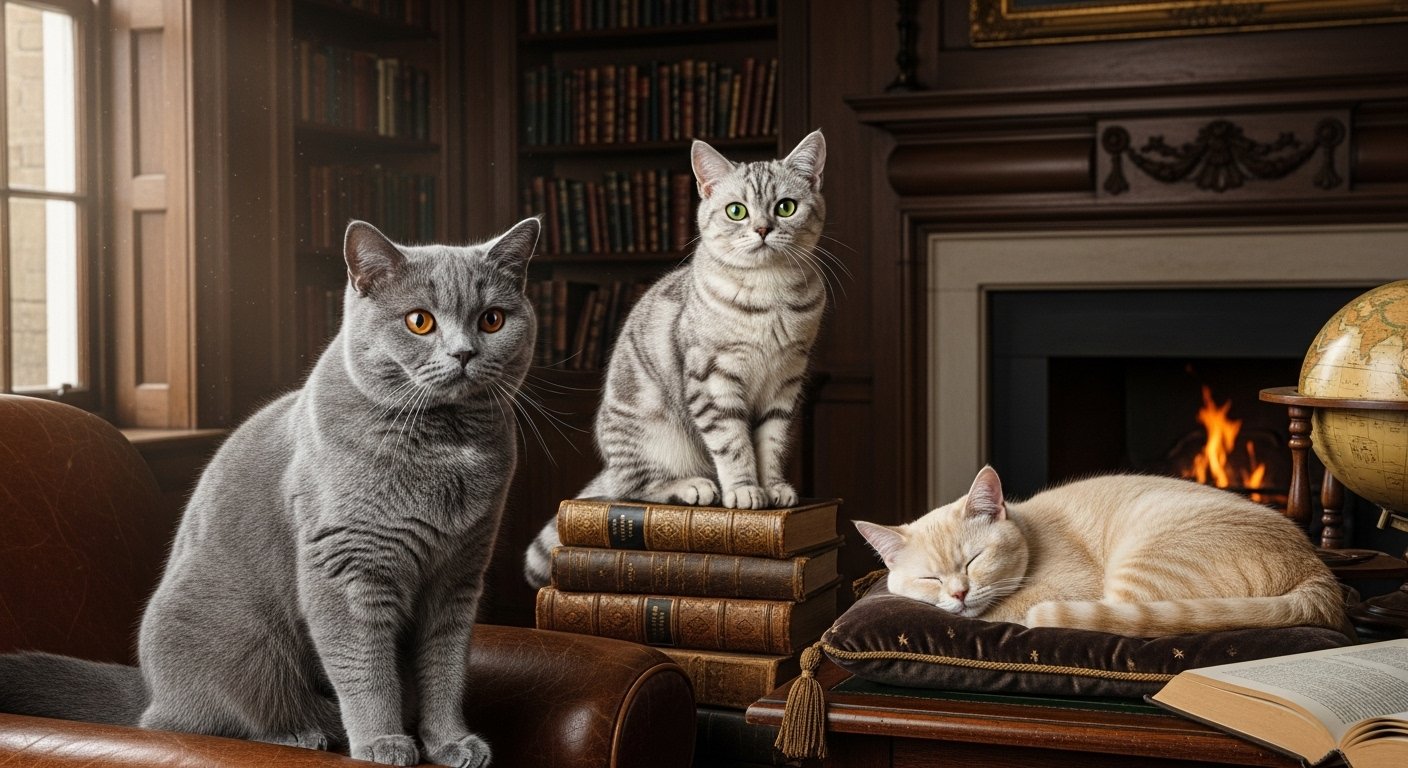
The British Shorthair cat, with its plush, dense coat and charming teddy-bear-like appearance, is a beloved breed known for its calm demeanor and regal presence. Originating from the United Kingdom, these felines boast a short, thick fur that requires minimal but consistent care to keep them looking elegant and feeling comfortable. Grooming isn’t just about aesthetics—it’s essential for their health, preventing issues like matting, hairballs, and skin problems. In this detailed guide, we’ll explore 12 sophisticated grooming tips tailored specifically for British Shorthairs, drawing from expert advice to help you maintain your cat’s luxurious coat and overall well-being.
1. Establish a Regular Brushing Routine
British Shorthairs have a double coat that’s prone to shedding, especially during seasonal changes. Aim to brush your cat at least 2-3 times a week to remove loose fur and distribute natural oils for a shiny appearance. During moulting seasons, increase to daily sessions to minimize hair around your home and reduce the risk of hairballs. Start gently from the head and work towards the tail, following the direction of the fur growth.
2. Choose the Right Grooming Tools
Selecting appropriate tools is key to effective grooming without irritating your cat’s skin. Opt for a soft-bristle brush or a rubber grooming mitt, which are gentle on their dense fur. A slicker brush can help with undercoat removal during heavy shedding, while a wide-toothed comb is ideal for checking for mats. Avoid harsh metal combs that might pull too hard—your British Shorthair deserves the finest tools for a pampered experience.
3. Master the Art of Bathing
While British Shorthairs are excellent self-groomers, an occasional bath every few months can refresh their coat, especially if they get into something sticky or develop dandruff. Use lukewarm water and a cat-specific shampoo to avoid stripping natural oils. Gently massage the suds in, rinse thoroughly, and towel-dry immediately to prevent chills. Most cats dislike water, so introduce bathing gradually for a stress-free ritual.
4. Trim Nails Safely
Keep your British Shorthair’s claws in check by trimming them every 2-4 weeks. Use sharp, cat-sized clippers to cut only the transparent tip, avoiding the quick (the pink area inside the nail) to prevent bleeding. If your cat is fidgety, wrap them in a towel or enlist a helper. Regular trims not only protect your furniture but also prevent overgrown nails from curling into pads.
5. Clean Ears Gently
Inspect and clean your cat’s ears weekly to remove wax buildup and debris, which can lead to infections. Use a vet-approved ear cleaner on a cotton ball—never insert cotton swabs deep into the ear canal. Wipe the outer ear gently, and if you notice excessive dirt, odor, or redness, consult a veterinarian. This simple step keeps your elegant companion comfortable and healthy.
6. Care for Their Eyes
British Shorthairs’ round, expressive eyes can sometimes produce tear stains or collect discharge. Wipe the area daily with a soft, damp cloth or vet-recommended eye wipes to prevent buildup. Be gentle to avoid irritation, and monitor for signs of infection like excessive tearing or redness, which warrant a vet visit. Clear eyes enhance their captivating gaze.
7. Maintain Dental Health
Oral hygiene is crucial for preventing plaque and tartar. Introduce toothbrushing 2-3 times a week using a cat toothbrush and enzymatic toothpaste—never human products. Dental treats or water additives can supplement this routine. Regular dental care reduces bad breath and supports overall health, keeping your cat’s smile as charming as their personality.
8. Handle Shedding Seasons with Grace
These cats shed moderately year-round but more intensely in spring and fall. Ramp up brushing to twice weekly or daily during these periods to capture loose fur. Vacuum regularly and consider a de-shedding tool for efficiency. This proactive approach keeps your home tidy and your cat’s coat in pristine condition.
9. Prevent and Remove Mats Elegantly
Though short-haired, mats can form in undercoats if brushing is neglected. Prevent them with consistent grooming, and if one appears, carefully tease it apart with fingers or a mat splitter—avoid scissors unless necessary to prevent skin nicks. For stubborn mats, seek professional help to maintain your cat’s dignified appearance without discomfort.
10. Nourish from Within for a Lustrous Coat
A balanced diet rich in omega-3 and omega-6 fatty acids promotes a healthy, shiny coat. Choose high-quality cat food with real meat proteins and avoid fillers. Supplements like fish oil can enhance fur quality if recommended by your vet. Proper nutrition is the foundation of external elegance.
11. Know When to Seek Professional Grooming
While home grooming suffices for most, consider a professional groomer for deep cleans, especially if your cat has mobility issues or you’re unsure about techniques. They can handle lion cuts or thorough de-shedding sessions, ensuring your British Shorthair remains the epitome of sophistication.
12. Make Grooming a Positive Experience
Turn grooming into bonding time by associating it with treats, praise, and play. Start sessions when your cat is relaxed, keep them short, and be patient. Positive reinforcement builds trust, making future groomings easier and more enjoyable for both of you.
By following these 12 tips, your British Shorthair will not only look elegant but also thrive in health and happiness. Remember, consistency is key, and always consult your veterinarian for personalized advice. Happy grooming!