
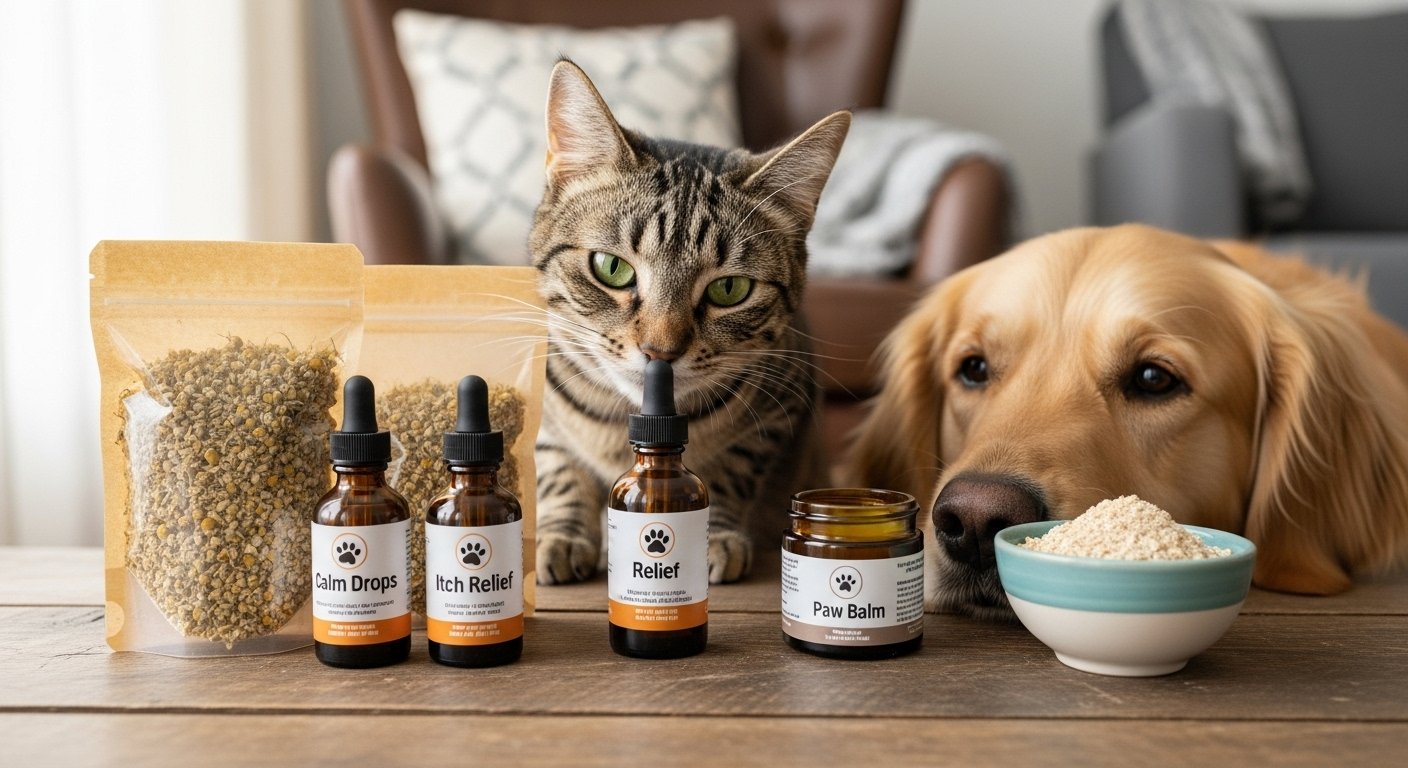
As pet parents, we all want the best for our beloved dogs and cats. When minor ailments pop up, turning to safe, natural remedies can be a gentle first step before heading to the vet. These home-based solutions, drawn from vet-approved sources, focus on common issues like skin irritations, digestive woes, and more. Remember, these are not substitutes for professional veterinary care—always consult your vet before trying new remedies, especially for cats who can be more sensitive to certain ingredients. Let’s dive into 10 safe remedies that can help your household pets feel their best!
1. Oatmeal Baths for Itchy Skin
Itchy skin is a common complaint for both dogs and cats, often caused by allergies or dry weather. A soothing oatmeal bath can relieve inflammation and provide instant comfort. To prepare, grind plain oats into a fine powder and mix into warm (not hot) bathwater. Let your pet soak for 10-15 minutes, then rinse gently.
This remedy is vet-approved for dogs with dry, irritated skin. For cats, use sparingly as they may not enjoy baths—opt for a paste applied to affected areas instead. Precautions: Avoid if your pet has open wounds, and monitor for any allergic reactions.
2. Pumpkin Puree for Digestive Issues
For pets dealing with diarrhea or constipation, plain canned pumpkin (not pie filling) is a fiber-rich hero that regulates the gut. Start with 1-2 teaspoons mixed into their food for small pets, or up to a tablespoon for larger dogs.
It’s especially useful for dogs with mild diarrhea, as it bulks up stool and supports digestion. Cats can benefit too, but in smaller doses. Precautions: Use unsweetened, organic pumpkin and stop if symptoms persist beyond a couple of days—see a vet for underlying issues.
3. Coconut Oil for Skin and Coat Health
Coconut oil’s antimicrobial properties make it great for moisturizing dry skin, treating hot spots, or improving coat shine. Apply a small amount topically to irritated areas or add a teaspoon to their meal for internal benefits.
This remedy helps with skin irritations in dogs and cats. Precautions: Start with small amounts to avoid digestive upset, and avoid using on cats internally if they’re prone to hairballs.
4. Diluted Apple Cider Vinegar for Flea Control
A natural flea repellent, apple cider vinegar (ACV) can be diluted 50/50 with water and sprayed on your pet’s coat (avoiding eyes and wounds). It makes their skin less appealing to pests.
Effective for minor flea issues in dogs and cats. Precautions: Test a small area first for sensitivity, and don’t use on broken skin. For severe infestations, consult a vet for stronger treatments.
5. Chamomile Tea for Anxiety and Upset Stomach
Chamomile’s calming effects can ease anxiety or mild stomach upset. Brew a weak tea, cool it, and add a few teaspoons to their water or food.
It’s a gentle option for both dogs and cats dealing with stress. Precautions: Avoid if your pet has ragweed allergies, and use only plain chamomile—keep portions small to prevent diarrhea.
6. Plain Yogurt as a Probiotic Boost
For gut health, plain, unsweetened yogurt provides natural probiotics to balance the microbiome. Offer 1-2 teaspoons daily for small pets or a tablespoon for larger ones.
Helpful for digestive upsets in dogs and cats. Precautions: Choose yogurt without xylitol or additives, and introduce slowly to avoid lactose issues in sensitive pets.
7. Aloe Vera Gel for Wounds and Burns
Pure aloe vera gel (from the inner leaf) soothes minor wounds, burns, or skin irritations when applied externally.
Safe for topical use on dogs and cats. Precautions: Never use internally for cats, as it can be toxic; ensure it’s 100% pure and prevent licking until dry.
8. Turmeric Golden Paste for Joint Support
Turmeric’s anti-inflammatory curcumin helps with joint pain in aging pets. Make golden paste by mixing turmeric with coconut oil and black pepper, then add small amounts to food.
Beneficial for dogs with arthritis. For cats, use cautiously and in tiny doses. Precautions: Consult a vet for dosing, as too much can upset the stomach.
9. Fish Oil Supplements for Omega-3 Benefits
Omega-3s from fish oil support joint health, skin, and overall immunity. Use pet-specific supplements or add a few drops of salmon oil to meals.
Great for dogs and cats with allergies or stiffness. Precautions: Choose high-quality, mercury-free oil and start low to avoid loose stools.
10. Homemade Bone Broth for Immune Support
Nutrient-packed bone broth boosts immunity and aids recovery from illness. Simmer bones with veggies for 12-24 hours, strain, and serve cooled in small portions.
Supports gut and immune health in dogs and cats. Precautions: Use pet-safe bones (no onions or garlic), and store refrigerated for up to a week.
These remedies can be lifesavers for minor pet problems, but they’re most effective when used responsibly. Pin this post for quick reference, and share your experiences in the comments! Always prioritize your pet’s safety by checking with a veterinarian first.