
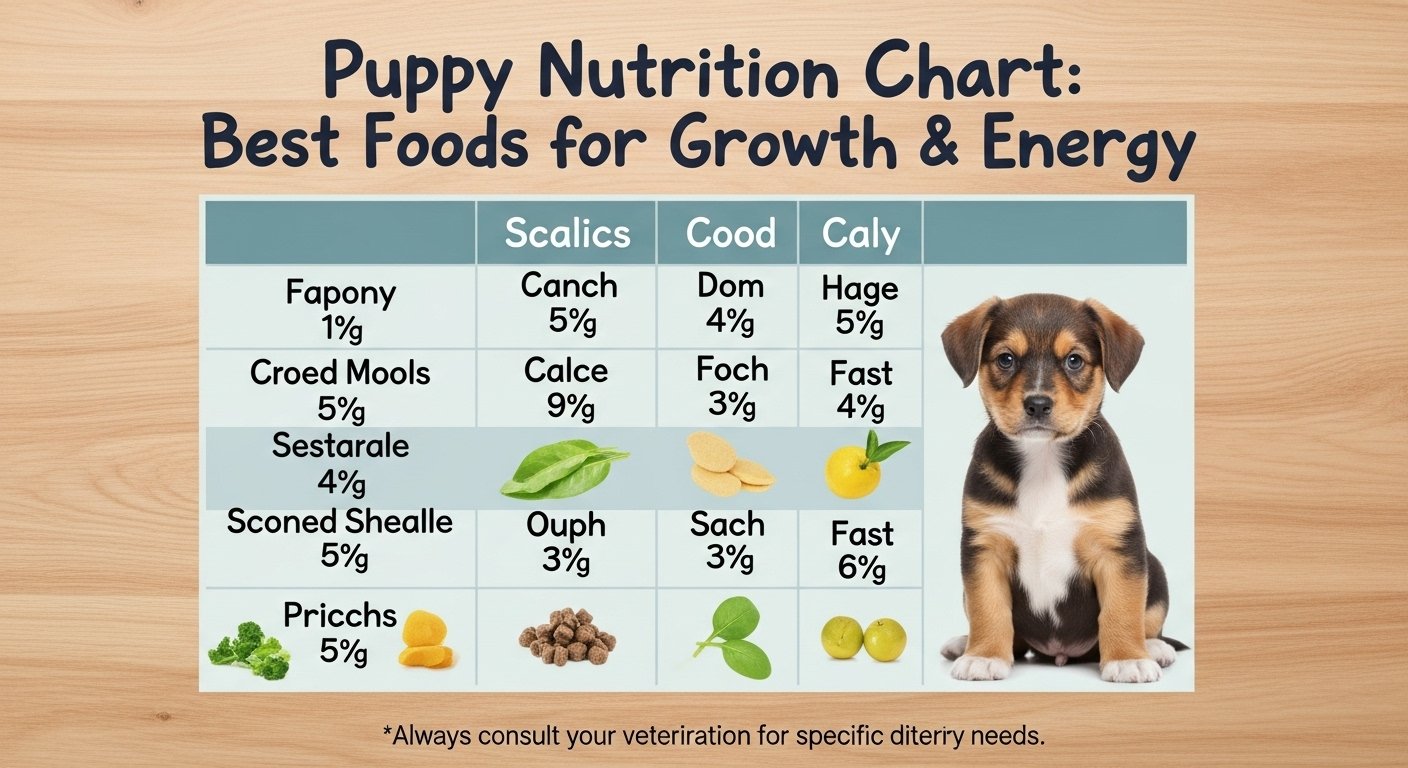
Puppies grow rapidly in their first year, requiring a balanced diet rich in proteins, fats, and other nutrients to support healthy development. Research suggests that choosing high-quality, puppy-specific foods can help prevent issues like obesity or skeletal problems, though individual needs vary by breed and size.
Key Points on Puppy Nutrition:
- Focus on Essentials: Puppies need higher levels of protein (around 22-32% of diet), fats (at least 8-20%), and calcium/phosphorus for bone growth, but avoid excess to prevent health risks.
- Best Foods: Opt for complete puppy formulas with real meats like chicken or salmon as top ingredients; supplement with safe fruits/veggies like blueberries or carrots for added vitamins.
- Feeding Guidelines: Feed 3-4 times daily for young pups, adjusting portions based on age, weight, and activity—overfeeding is common, so monitor body condition.
- Potential Controversies: While raw diets are popular for natural energy, they carry risks like bacterial contamination; commercial kibble or wet food from reputable brands is often safer and more balanced.
Understanding Your Puppy’s Nutritional Needs
Puppies have higher energy demands than adults, often needing twice the calories per pound of body weight. Essential nutrients like DHA from fish oils support brain development, while balanced carbs provide sustained energy. Always choose foods labeled “complete and balanced for growth” by AAFCO standards to ensure they meet these needs.
Top Foods for Growth and Energy
Evidence leans toward diets with high-quality proteins for muscle building and fats for energy. Here are some recommended options:
- Lean Proteins: Chicken, turkey, or beef for amino acids.
- Healthy Fats: Salmon or fish oil for omega-3s.
- Fruits and Veggies: Blueberries for antioxidants, carrots for vitamins.
- Grains/Carbs: Brown rice or oats for digestible energy, unless grain-free is needed for allergies.
Simple Puppy Feeding Chart
Use this as a starting guide, but consult a vet for personalized advice. Portions are approximate for average activity levels.
| Puppy Age | Small Breed (up to 20 lbs adult) | Medium Breed (21-50 lbs adult) | Large Breed (over 50 lbs adult) |
|---|---|---|---|
| 6-12 weeks | 1/2 – 1 cup/day | 1 – 2 cups/day | 2 – 3 cups/day |
| 3-6 months | 3/4 – 1 1/2 cups/day | 1 1/2 – 2 1/2 cups/day | 2 1/2 – 4 cups/day |
| 6-12 months | 1/2 – 1 cup/day | 1 – 2 cups/day | 2 – 3 1/2 cups/day |
Transition to adult food around 12-18 months, depending on breed size.
Bringing home a fluffy puppy is an exciting adventure, but ensuring they get the right nutrition from day one sets the foundation for a long, vibrant life. Puppies aren’t just mini versions of adult dogs—their bodies are in overdrive, building bones, muscles, and immune systems at an astonishing rate. This comprehensive guide dives deep into puppy nutrition, focusing on the best foods for growth and energy, complete with charts, expert insights, and practical tips. Whether you’re a first-time pet parent or a seasoned dog lover, you’ll find everything you need to fuel your pup’s boundless energy and support their healthy development.
We’ll explore the science behind puppy diets, break down essential nutrients, recommend top food choices, and provide detailed feeding charts tailored to different breeds and ages. Plus, we’ll address common pitfalls, like overfeeding or choosing the wrong formula, and offer advice on incorporating homemade treats safely. Backed by veterinary guidelines and nutritional research, this post aims to empower you to make informed choices for your furry friend’s well-being.
The Science of Puppy Growth: Why Nutrition Matters More Than Ever
Puppies experience explosive growth in their first year, with some breeds tripling their birth weight in just weeks. According to veterinary experts, proper nutrition directly influences everything from skeletal health to cognitive function. During this phase, their metabolic rate is sky-high, requiring about twice the energy of adult dogs per pound of body weight. Skimping on key nutrients can lead to developmental issues, such as weak bones or a compromised immune system, while excess can cause rapid growth problems, especially in large breeds.
Key growth stages include:
- Weaning (4-8 weeks): Transition from mother’s milk to solid food; focus on easily digestible, nutrient-dense options.
- Rapid Growth (2-6 months): Peak energy needs; prioritize proteins and fats.
- Maturation (6-18 months): Growth slows; adjust for breed size to prevent obesity.
Large-breed puppies (e.g., Labs, Great Danes) need controlled calcium levels to avoid orthopedic diseases, while small breeds (e.g., Chihuahuas) burn energy faster and may require more frequent meals. Always monitor your pup’s body condition using a 9-point scale—ribs should be palpable but not visible.
Essential Nutrients: Building Blocks for a Strong Puppy
A balanced puppy diet revolves around six core nutrient groups: proteins, fats, carbohydrates, vitamins, minerals, and water. Puppies need higher concentrations than adults— for instance, at least 22% protein and 8% fat, per AAFCO guidelines. Here’s a breakdown:
- Proteins (22-32%): Crucial for muscle and tissue growth. Sources like chicken, beef, or eggs provide essential amino acids. Pups need more right after weaning, tapering as they age.
- Fats (8-20%): Primary energy source; supports brain development with omega-3s like DHA from fish. High-energy pups thrive on fats, but balance to avoid weight gain.
- Carbohydrates (20%+): For sustained fuel; choose digestible options like brown rice or sweet potatoes. They’re especially important for active breeds.
- Vitamins & Minerals: Calcium and phosphorus (in a 1:1 to 2:1 ratio) for bones; vitamin E for immunity; zinc for skin health. Excess calcium in large breeds can cause issues, so stick to formulated foods.
- Water: Always available; pups dehydrate quickly.
Deficiencies can impair growth—e.g., low zinc affects immunity—while excesses like too much calcium lead to skeletal abnormalities. Look for foods with guaranteed analysis on labels, ensuring they’re “complete and balanced for growth.”
Best Foods for Puppy Growth & Energy: Recommendations and Why They Work
Choosing the right food means prioritizing whole ingredients over fillers. Top picks include:
- High-Quality Kibble: Formulas with chicken meal or turkey as first ingredients; brands like Royal Canin or Purina Pro Plan offer breed-specific options.
- Lean Meats: Cooked chicken, beef, or lamb for protein; avoid raw unless vet-approved due to bacteria risks.
- Fish & Oils: Salmon for omega-3s; boosts energy and coat health.
- Eggs: Excellent protein source; easy to add as treats.
- Blueberries & Berries: Antioxidants for immune support; low-calorie energy boost.
- Carrots & Veggies: Crunchy, vitamin-rich; great for teething.
- Oats or Brown Rice: For carbs; gentle on digestion.
- Yogurt (Plain): Probiotics for gut health; in moderation.
- Pumpkin: Fiber for energy regulation and digestion.
- Sweet Potatoes: Complex carbs for steady energy.
For raw or fresh diets, they mimic natural eating but require balance—consult a nutritionist. Avoid toxic foods like chocolate, grapes, or onions.
Detailed Puppy Feeding Charts: By Age, Weight, and Breed Size
Feeding amounts vary, but general guidelines help. Use these charts as baselines; adjust for activity and consult your vet. Puppies under 6 months typically need 3-4 meals; older ones, 2-3.
Daily Feeding Chart by Age and Expected Adult Weight (Cups of Dry Kibble)
| Age (Months) | Toy/Small (1-20 lbs) | Medium (21-50 lbs) | Large/Giant (51+ lbs) |
|---|---|---|---|
| 1-3 | 1/2 – 1 | 1 – 2 | 2 – 3 |
| 3-6 | 3/4 – 1 1/2 | 1 1/2 – 2 1/2 | 2 1/2 – 4 |
| 6-12 | 1/2 – 1 | 1 – 2 | 2 – 3 1/2 |
| 12+ (Transition to Adult) | 1/3 – 3/4 | 3/4 – 1 1/2 | 1 1/2 – 2 1/2 |
Caloric Needs Chart (kcal/day, Approximate for Moderate Activity)
| Expected Adult Weight | 2 Months | 4 Months | 6 Months | 12 Months |
|---|---|---|---|---|
| 10 lbs | 400 | 500 | 450 | 350 |
| 30 lbs | 800 | 1000 | 900 | 700 |
| 50 lbs | 1200 | 1500 | 1350 | 1050 |
| 70+ lbs | 1600+ | 2000+ | 1800+ | 1400+ |
For wet food, halve portions as it’s more calorie-dense. Bottle-fed orphans follow specialized charts, aiming for 4ml/100g body weight per feeding.
Practical Tips for Feeding Your Puppy
- Portion Control: Weigh food; use measuring cups. Overfeeding leads to obesity—aim for 5-6% of body weight daily in young pups.
- Meal Frequency: 4 meals for 6-12 weeks, 3 for 3-6 months, 2 thereafter.
- Transitions: Switch foods gradually over 7-10 days to avoid tummy upset.
- Treats & Supplements: Limit to 10% of calories; no extras unless deficient.
- Hydration & Monitoring: Fresh water always; weekly weigh-ins track growth.
- Common Mistakes: Ignoring breed differences, free-feeding, or human foods high in salt/fat.
For high-energy breeds like Border Collies, add more fats; for laid-back ones like Bulldogs, watch calories.
Homemade Recipes and Supplements: Safe Additions
If supplementing commercial food, try simple recipes:
- Energy-Boosting Mix: Cooked chicken (50%), brown rice (30%), carrots/blueberries (20%). Blend for easy eating.
- Growth Treats: Baked sweet potato slices or frozen yogurt bites.
Always ensure balance—use tools like Waltham growth charts for tracking.
Addressing Controversies: Raw vs. Commercial, Grain-Free Debates
Raw diets offer fresh energy but risk pathogens; studies show benefits in digestion but emphasize safety. Grain-free options suit allergies, but recent links to heart issues suggest caution—choose with legumes or consult vets. Balanced views: Commercial foods are convenient and regulated, while homemade/raw allows customization but needs expertise.
When to Consult a Vet
If your pup shows signs like lethargy, poor coat, or abnormal growth, seek advice. Regular check-ups ensure tailored nutrition, especially for breeds prone to issues.
By prioritizing these guidelines, your puppy will thrive with the energy and vitality they deserve. Happy feeding!