Research suggests that incorporating omega-rich foods and specific nutrients can significantly improve coat shine and health in dogs and cats, though results vary by individual pet and underlying conditions. Evidence leans toward fatty acids as a primary booster for sleek fur, with protein and vitamins playing supportive roles. Always consult a vet before dietary changes, as over-supplementation may lead to issues.
Introduction to Sleek Coats
A sleek coat indicates good overall health in pets like dogs and cats. Factors like diet, grooming, and age influence fur quality. Studies show that nutrient deficiencies can cause dullness or dryness, but balanced additions often help restore luster without strong guarantees due to variables like breed or allergies.
Top Foods for Shine
- Fatty Fish (e.g., Salmon, Sardines): Rich in omega-3s, these promote skin hydration and reduce inflammation for a glossy coat. Feed cooked or in pet food 1-2 times weekly.
- Eggs: Provide biotin and protein to repair skin and enhance fur texture. One egg per week, cooked, is typically safe.
- Sweet Potatoes: Offer vitamin E and beta-carotene for antioxidant protection against dry fur.
Essential Supplements
- Fish Oil: Supplies EPA and DHA for anti-inflammatory benefits, improving coat softness over 4-6 weeks.
- Zinc and Biotin: Support cellular repair; deficiencies may cause flakiness, but excess can be harmful.
- Vitamin E: Acts as an antioxidant to maintain skin barrier integrity.
For more details, see the comprehensive guide below.
Achieving That Enviable Sleek Coat: A Pet Parent’s Guide to Nutrition
Nothing says “happy, healthy pet” quite like a sleek, shiny coat that turns heads at the park or during cuddle time. Whether you have a bouncy dog or a graceful cat, coat health reflects internal wellness, influenced by diet, grooming, and even environmental factors. In this detailed blog, we’ll explore the top foods and supplements backed by veterinary insights and pet nutrition experts to help your furry friend achieve that glossy, sleek look. We’ll cover options for both dogs and cats, with practical tips, potential caveats, and visual inspiration to make this Pinterest-perfect.
Remember, while these recommendations draw from reliable sources like veterinary sites and pet food advisors, every pet is unique. Consult your veterinarian before introducing new foods or supplements, especially if your pet has allergies, weight issues, or medical conditions. Overdoing it can lead to digestive upset or nutrient imbalances.
Why Coat Health Matters
A sleek coat isn’t just aesthetic—it’s a window into your pet’s health. Dull, brittle, or flaky fur can signal nutrient gaps, allergies, parasites, or even serious issues like thyroid problems or diabetes. Research from pet nutritionists emphasizes that 95% of a pet’s hair is protein, so diet plays a starring role. Omega fatty acids, vitamins, and minerals help maintain the skin’s barrier, reduce inflammation, and promote natural oil production for that sought-after shine.
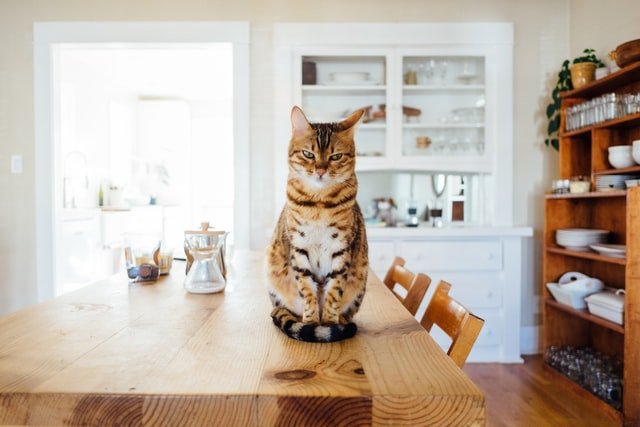
For visual motivation, here’s what a healthy coat looks like:
Top Foods for Sleek Coats: Natural Sources to Incorporate
Focus on whole foods rich in essential fatty acids, proteins, and antioxidants. These can be added as treats, toppers, or integrated into commercial pet foods. Aim for moderation—treats should be no more than 10% of daily calories to avoid weight gain.
For Dogs
Dogs thrive on animal-based proteins and fats. High-quality sources help prevent dry skin and add luster.
- Salmon and Other Fatty Fish: Packed with omega-3 fatty acids (EPA and DHA), which moisturize skin and reduce itching. Sources like fresh sardines or canned tuna (low-sodium) once a week can transform a dull coat. Benefits include inflammation reduction and enhanced shine; clinical studies show improvements in 6 weeks.
- Eggs: Full of biotin, B vitamins, and protein for skin repair and hydration. Organic, free-range eggs offer the best omega balance. Add one scrambled or boiled egg weekly.
- Beef or Chicken Liver: Provides vitamins A, B, E, and zinc for immune support and fur strength. Cooked liver treats boost coat color and prevent flakiness.
- Sweet Potatoes: Antioxidant-rich with vitamin E and beta-carotene to protect against oxidative damage.
For Cats
Cats need higher protein and specific fats, as they’re obligate carnivores. Premium foods with these ingredients often yield quicker results.
- Chicken, Tuna, or Salmon: Sources of B vitamins and omegas for fur thickness and shine. Wet foods like minced chicken in broth are ideal.
- Eggs: Similar benefits as for dogs—biotin helps with dry patches.
- Pumpkin or Leafy Greens: Add fiber and vitamins for skin hydration, reducing dandruff.
Here’s a comparison table of top foods for dogs vs. cats:
| Food Item | Benefits for Dogs | Benefits for Cats | Serving Suggestion |
|---|---|---|---|
| Salmon | Omega-3s for inflammation reduction | B vitamins for coat repair | 1-2 oz cooked, 1x/week |
| Eggs | Biotin for texture | Protein for hydration | 1 egg, cooked, weekly |
| Sweet Potatoes | Antioxidants for protection | N/A (less essential, but fiber helps) | Mashed as topper, small amounts |
| Chicken Liver | Zinc for immune support | High protein for shine | Cooked treats, occasional |
| Pumpkin | N/A | Reduces flakes, adds moisture | Pureed, 1 tsp daily |
Best Supplements for That Extra Gloss
If diet alone isn’t enough, supplements can fill gaps. Always choose vet-approved, pet-specific products to avoid toxicity.
- Fish Oil (Omega-3/6): Top choice for both dogs and cats. Reduces dryness and adds shine; wait 4-6 weeks for results. Sources: Salmon or pollock oil.
- Biotin and Zinc: Combat deficiencies causing dullness. Biotin (B7) improves elasticity; zinc regulates metabolism. Ideal for dogs with flaky skin.
- Vitamin E: Antioxidant for barrier repair, often in combo supplements.
- Coconut Oil: Moisturizes externally or internally; helps with itchiness.
- Probiotics and Collagen: Support gut health (linked to skin) and fur strength.
Supplement Comparison Table:
| Supplement | Key Nutrient | Dog Dosage (Consult Vet) | Cat Dosage (Consult Vet) | Potential Side Effects |
|---|---|---|---|---|
| Fish Oil | Omega-3/6 | 100mg/kg body weight | 50mg/kg body weight | Digestive upset if high |
| Biotin | Vitamin B7 | 0.5-1mg daily | 0.2-0.5mg daily | Rare, but monitor allergies |
| Zinc | Mineral | 1-2mg/kg daily | 0.5-1mg/kg daily | Vomiting if overdosed |
| Vitamin E | Antioxidant | 10-20 IU/kg daily | 5-10 IU/kg daily | None common |
| Coconut Oil | Healthy Fats | 1 tsp/10lbs body weight | 1/2 tsp/10lbs | Weight gain if excessive |
Additional Tips for Maintaining Sleek Coats
- Grooming Routine: Brush daily to distribute oils; avoid overbathing, which strips natural moisture.
- Hydration and Weight Management: Ensure fresh water and a healthy weight for better grooming ability, especially in seniors.
- Address Underlying Issues: Dull coats may stem from allergies or parasites—vet checkups are key.
- Premium Pet Foods: Opt for brands like Vital Essentials or Canidae with salmon for built-in benefits.
- For Seniors: Increase omega-3s and brushing; arthritis can hinder self-grooming.
Incorporating these foods and supplements thoughtfully can lead to noticeable improvements, but patience is essential—changes often take weeks. Share your pet’s transformation on Pinterest for inspiration!