Recognizing the Signs
If your cat is constantly scratching or showing skin issues, it could be a food allergy. Common symptoms include chronic itching, hair loss, and digestive upset. Grains like wheat or corn might exacerbate these in sensitive cats, though proteins are more frequent culprits. See your vet for proper diagnosis.
Why Go Grain-Free?
For cats with sensitivities, grain-free food can reduce inflammation and improve energy levels. It’s not a cure-all, but many owners report shinier coats and less itching after the switch. Start with limited-ingredient formulas to test.
Simple Swaps to Try
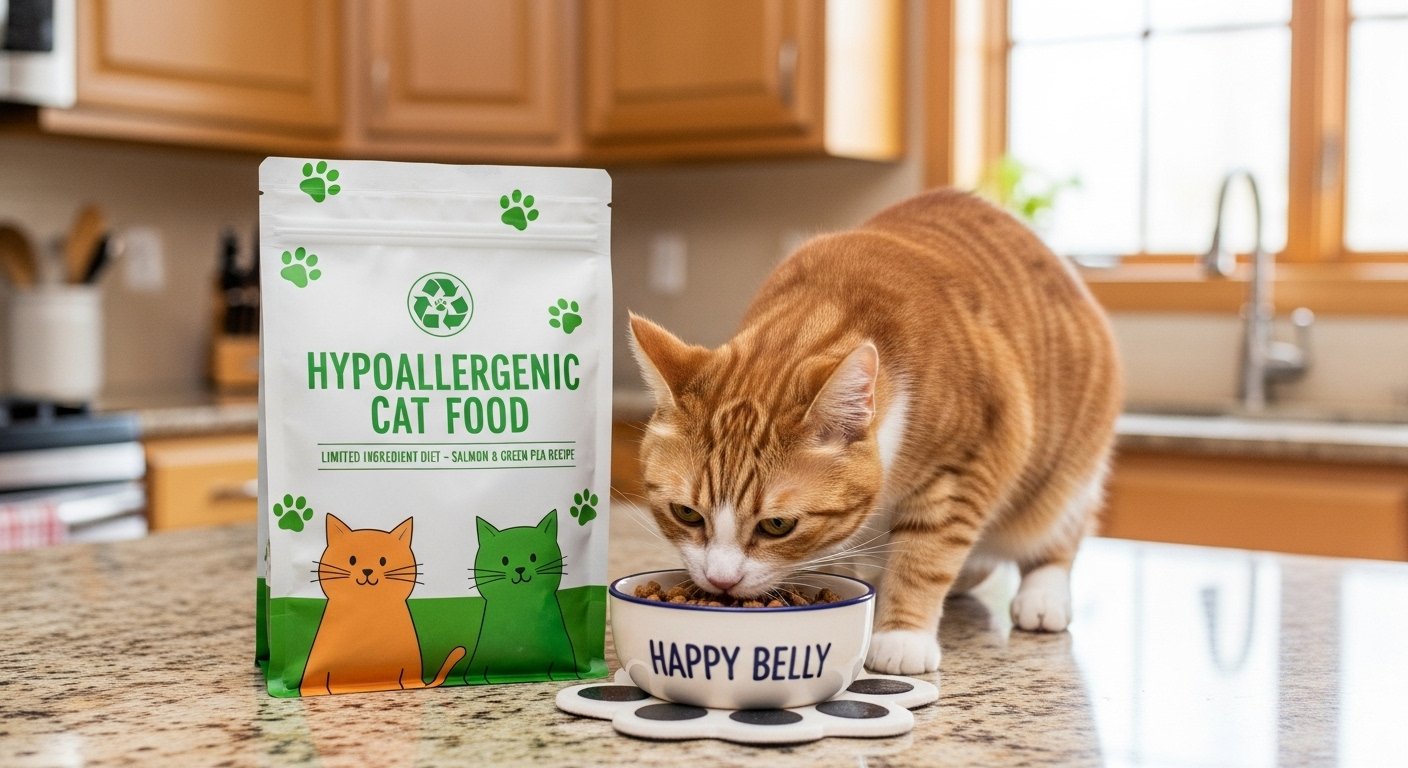
Replace grain-based fillers with veggies like pumpkin or peas. Commercial options include Blue Buffalo Basics or Hill’s Science Plan Hypoallergenic. For DIY, use turkey or fish with veggies—recipes below.
If your furry friend is scratching more than usual, it might be time to rethink their diet. Food allergies in cats are surprisingly common, ranking third after flea bites and inhaled allergens. While proteins like beef, fish, and chicken are the top offenders, grains such as wheat, corn, and oats can also trigger sensitivities, leading to itchy skin and discomfort. This comprehensive guide explores allergy-friendly, grain-free cat food options, including why they might help, potential drawbacks, recommended products, and easy DIY recipes. We’ll back it all with expert insights to help you make informed choices for your itchy pal.
Understanding Cat Food Allergies
Cat food allergies occur when the immune system overreacts to certain ingredients, often proteins, but grains can play a role in sensitivities. Unlike intolerances that cause digestive issues like gas, true allergies trigger immune responses affecting the skin and gut. Genetics may predispose some cats, and symptoms can appear at any age.
Common signs include:
- Persistent, year-round itching, especially on the face, ears, belly, or paws.
- Skin lesions, redness, or small crusts (miliary dermatitis).
- Hair loss from excessive grooming or biting.
- Digestive problems like vomiting or diarrhea.
- Eosinophilic plaques (swollen, red skin patches).
If these sound familiar, a vet visit is essential. They might recommend an elimination diet, starting with hypoallergenic food for 8 weeks.
4
“Illustration of a cat scratching due to allergies.”
SMALL
Common Allergens in Cat Food
Here’s a breakdown of frequent triggers based on veterinary data:
| Allergen Type | Examples | Prevalence in Allergic Cats |
|---|---|---|
| Proteins | Beef, Fish, Chicken, Dairy | High (e.g., beef in 18% of cases) |
| Grains | Wheat, Corn, Oats | Moderate (less common but can cause sensitivities) |
| Other | Additives, Gluten | Rare, but possible in some diets |
Grains aren’t always the villain—true grain allergies are rare, but they can cause inflammation via insulin spikes in sensitive cats.
The Benefits of Grain-Free Diets
Switching to grain-free can offer relief for cats with sensitivities. These diets often replace grains with veggies or legumes, leading to:
- Improved Digestion: Fewer carbs mean less bloating or diarrhea.
- Healthier Skin and Coat: Reduced itching and shinier fur from higher-quality proteins.
- Allergy Management: Lowers risk of reactions in grain-sensitive cats.
- Increased Energy: More animal-based proteins align with cats’ carnivorous needs.
- Dental Health: Some formulas promote better oral hygiene.
However, grain-free isn’t superior for all cats—grains provide fiber and aren’t inherently harmful.
1
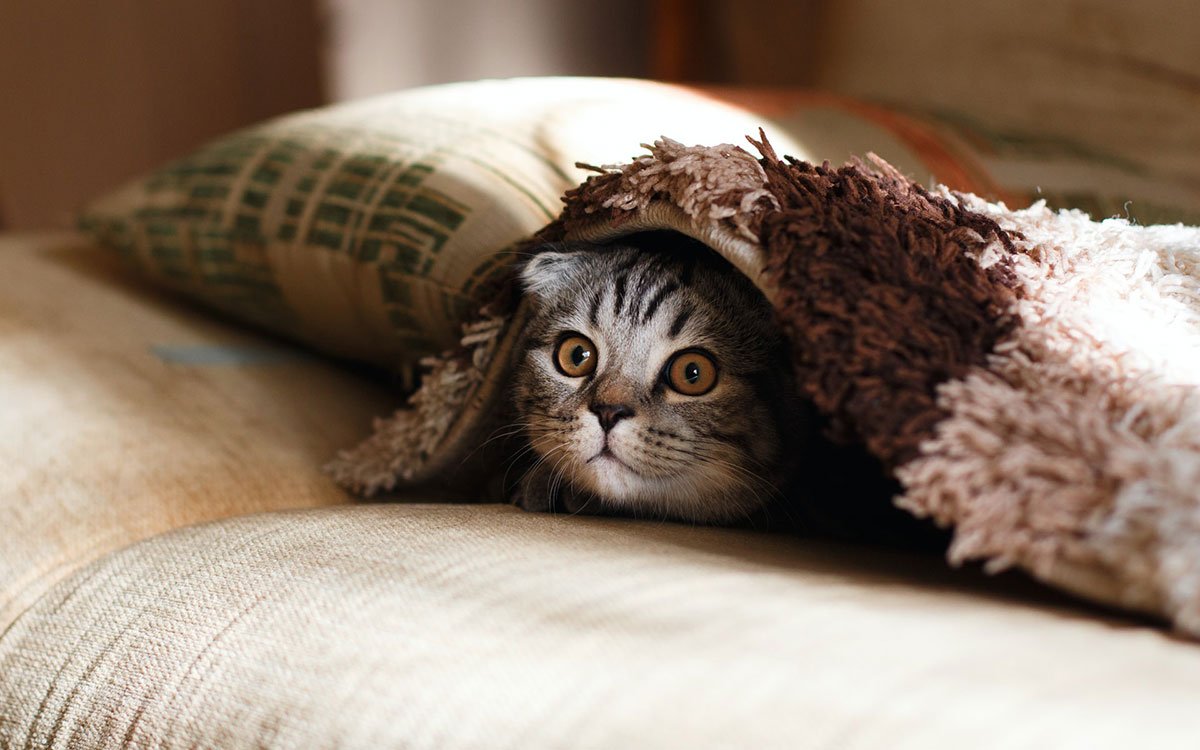
“Adorable kitten exploring grain-free options.”
LARGE
Pros and Cons of Grain-Free Cat Food
To weigh the options:
| Pros | Cons |
|---|---|
| Higher protein content from animal sources. | Potential nutrient imbalances if not formulated well. |
| Better for allergies or sensitivities. | Higher cost and not necessary for most cats. |
| Improved digestion and energy. | Linked to heart issues in dogs, though less clear in cats. |
| No fillers like corn or wheat. | Rare grain allergies mean it might not address protein-based issues. |
Consult a vet, as grain-inclusive diets can be budget-friendly and nutritious for non-sensitive cats.
Top Grain-Free Swaps and Recommendations
For commercial options, look for limited-ingredient formulas. Here are vet-recommended brands:
| Brand | Key Features | Best For | Link |
|---|---|---|---|
| Blue Buffalo Basics | Grain-free, limited ingredients like turkey or fish. | Sensitive skin | Blue Buffalo |
| Hill’s Science Plan Hypoallergenic | Egg and insect protein, gentle on allergies. | Severe cases | Hill’s |
| Royal Canin Hydrolyzed Protein | Prescription option for elimination diets. | Vet-supervised | Royal Canin |
| Dave’s Pet Food | Grain-free pate with turkey giblets. | Budget-friendly | Dave’s |
Swaps include using sweet potatoes, pumpkin, peas, or chickpeas instead of grains. Novel proteins like rabbit or pork can help if chicken/fish are issues.
DIY Grain-Free Recipes for Allergic Cats
Homemade food allows control over ingredients, but must be vet-approved and balanced with supplements. Aim for 80% protein, 10% veggies, 10% carbs.
Recipe 1: Turkey and Veggie Mix (Serves 4-5 meals)
- Ingredients: 1 lb ground turkey, 1/2 cup pumpkin puree, 1/4 cup peas, 1 egg (optional), 1 tsp coconut oil, bone broth (no onion/garlic).
- Steps: Brown turkey in oil, add veggies and broth, simmer 10 min. Cool and serve.
Recipe 2: Chicken Heart Delight
- Ingredients: 1 lb chicken thighs/hearts/livers, 1/2 cup squash, 1/4 cup cabbage, sardines for omega-3s.
- Steps: Cook chicken, mix with mashed veggies, add sardines. Portion and freeze.
Recipe 3: Beef Broth Bowl
- Ingredients: 1 lb ground beef, 1 cup bone broth, 1/2 cup sweet potato (mashed), supplements like taurine.
- Steps: Cook beef, add broth and potato, blend for pate texture.
Always add vet-recommended vitamins to prevent deficiencies.
Final Tips and Considerations
Transition slowly over 7-10 days to avoid upset. Monitor weight and energy, and recheck with your vet. While grain-free can be a game-changer for itchy cats, it’s part of a holistic approach including flea control and environmental allergens. With patience, your pal can enjoy itch-free days!
Key Citations:
- Cat Food Allergies: Symptoms, Causes, and Treatment – PetMD
- Does My Cat Have Food Allergies? – MedVet
- 3 Most Common Food Allergies in Cats To Keep an Eye On – Optimeal
- Is Grain-Free Cat Food Better? – PetMD
- 3 Reasons to Consider Grain-Free Cat Food – Chewy
- The Benefits of Grain-Free Cat Food: What You Need to Know
- The 7 Best Hypoallergenic Cat Foods of 2025 – The Spruce Pets
- 5 Homemade Cat Food Recipes (Vet Reviewed & Approved)
- Food Allergies | Cornell University College of Veterinary Medicine
- Grain-Free vs. Grain-Inclusive: Which One is Right for Your Pet?