
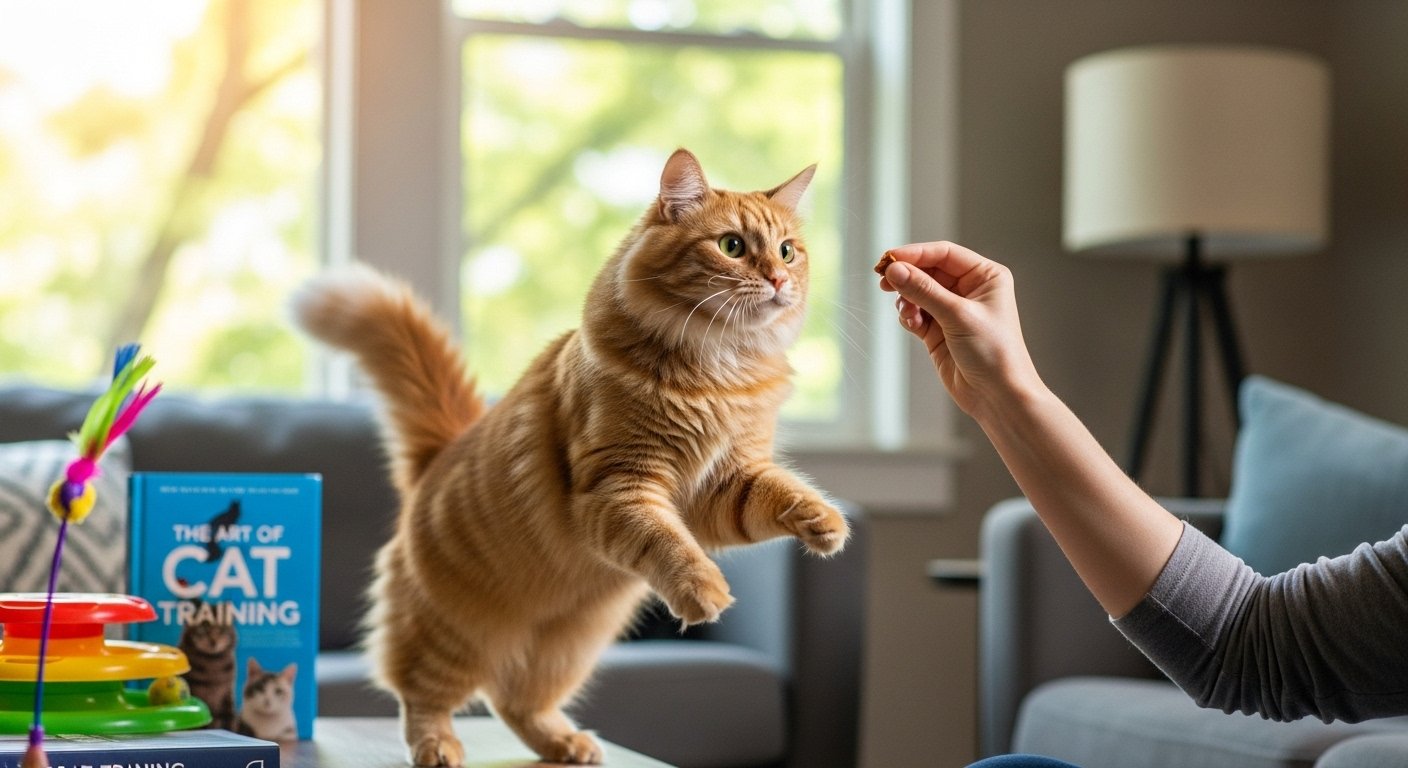
Why Train Your Cat to Recall?
Training your cat to come when called isn’t just a fun trick—it can be a lifesaver in emergencies, like if they slip out the door. Cats are naturally curious and independent, but with positive methods, many can learn this skill. Experts emphasize that unlike dogs, cats respond best to rewards rather than commands, making the process enjoyable for both of you.
Essential Tools and Preparation
Before starting, gather high-value treats (like small pieces of tuna or commercial cat treats), a clicker if you choose advanced training, and ensure your cat is healthy and relaxed. Adjust their meal times to keep them motivated by hunger. Choose a consistent cue, such as their name followed by “come,” and practice in a distraction-free room.
Basic Steps to Get Started
- Say the cue and immediately reward with a treat when your cat looks or approaches.
- Repeat in short sessions, gradually moving farther away.
- Always end on a positive note to keep your cat engaged.
Imagine calling your cat’s name and watching them trot over eagerly—it’s not just a dream for dog owners! While cats have a reputation for being untrainable, evidence from animal behaviorists and veterinary resources shows that with the right approach, you can teach your feline friend to come when called. This skill enhances safety, strengthens your bond, and provides mental stimulation. In this comprehensive guide, we’ll dive into the science behind cat training, step-by-step instructions, tools, troubleshooting, and more, drawing from expert advice to help you succeed.
Understanding Cat Behavior and Why Recall Training Works
Cats aren’t pack animals like dogs, so they don’t naturally respond to hierarchy-based commands. Instead, they learn through associations, particularly positive ones. Positive reinforcement—rewarding desired behaviors—increases the likelihood of repetition. Studies and practical guides from organizations like Cats Protection and the Humane Society highlight that cats can form strong links between a cue (like their name) and a reward (treats or play). This method taps into their natural curiosity and food motivation, making training effective for kittens and adults alike, though older or fearful cats may need extra patience.
Key to success is avoiding punishment, which can cause fear and erode trust. Never yell or force your cat; instead, focus on making the experience fun. For deaf cats, adapt with visual cues like flashing lights or vibrations.
Preparing for Training: Tools, Environment, and Mindset
Start with the right setup to set your cat up for success:
- Tools Needed:
- High-value treats: Soft, smelly ones like freeze-dried chicken or tuna work best as they’re irresistible.
- Clicker (optional): A small device that makes a “click” sound to mark good behavior precisely.
- Toys or praise: For non-food motivated cats, use feather wands or affectionate scratches.
- Treat pouch: To keep rewards handy without fumbling.
- Environment: Choose a quiet, familiar room free from distractions like other pets or loud noises. Train before mealtimes when your cat is hungry but not starving.
- Mindset: Be patient—sessions should last 3-5 minutes, 2-3 times a day. Consistency from all household members is crucial to avoid confusing your cat.
| Tool | Purpose | Examples | Source Recommendation |
|---|---|---|---|
| Treats | Primary reward | Tuna flakes, commercial cat treats | Humane Society of Huron Valley |
| Clicker | Marks exact behavior | Box clicker or app-based | Adventure Cats |
| Toys | Alternative reward | Laser pointer, ball | Anti-Cruelty Society |
| Verbal Praise | Emotional reinforcement | “Good kitty!” in a happy tone | Cats Protection |
Step-by-Step Guide to Training Your Cat
Follow these detailed steps, synthesized from multiple expert sources, to build a reliable recall:
- Build the Association (Days 1-3):
- Stand close to your cat (within a few feet) in a relaxed state.
- Say their name or cue (e.g., “Whiskers, come!”) in a cheerful voice.
- If they look at you or approach, immediately say “yes” or click, then give a treat within 2 seconds.
- Repeat 5-10 times per session. If no response, pair the cue with a familiar sound like shaking a treat bag.
- Increase Distance (Days 4-7):
- Move a few steps away and repeat the cue.
- Reward only when they come all the way to you—praise enthusiastically.
- Gradually extend to different rooms, calling when they’re out of sight but starting with easy successes.
- Add Distractions and Variations (Week 2+):
- Practice during mild distractions, like when they’re grooming or playing.
- Involve family members: Have someone else hold treats and call back and forth.
- For outdoor cats, use a harness and practice in a secure yard, rewarding for coming despite smells or sights.
- Fade Rewards and Maintain (Ongoing):
- Once reliable (85-90% success), reduce treats gradually—reward every other time, then randomly.
- Substitute with petting or play to wean off food.
- Practice weekly to keep the skill sharp, following the 10-to-1 rule: Ensure 9 out of 10 calls lead to positives.
Advanced Tips: Clicker Training and Special Cases
For precision, incorporate a clicker: “Charge” it by clicking and treating repeatedly until your cat associates the sound with rewards. Then use it to mark the exact moment they respond to the cue. This is especially useful for timid cats or multi-cat households.
- For Kittens: Start early—they learn faster, but keep sessions playful.
- For Older Cats: Go slower, use softer cues, and consult a vet for health checks.
- Deaf or Blind Cats: Use vibrations (stomping) or scents for blind cats; lights or hand signals for deaf ones.
- Motivation Hacks: If treats fail, try wet food licks or favorite toys. Train before meals for peak hunger.
| Training Phase | Duration | Key Actions | Expected Success Rate |
|---|---|---|---|
| Association Building | 1-3 days | Cue + immediate reward | 50-70% initial response |
| Distance Increase | 4-7 days | Gradual separation, consistent rewards | 70-85% |
| Distraction Addition | Week 2 | Real-life scenarios, varied callers | 85-95% |
| Maintenance | Ongoing | Random rewards, weekly practice | 90%+ sustained |
Troubleshooting Common Challenges
- Cat Ignores You: Increase treat value or shorten sessions. Ensure no negative associations (e.g., calling only for vet visits).
- Over-Excitement: If they pounce or bite, use calmer rewards like praise.
- No Progress: Take breaks, simplify, or seek a professional trainer. Not all cats will master it perfectly, and that’s okay—focus on partial wins.
- Multi-Cat Homes: Train individually to avoid competition.
The Bigger Picture: Benefits and Long-Term Bonding
Beyond recall, this training opens doors to other tricks like high-fives or leash walking, enriching your cat’s life and reducing boredom-related issues like scratching. It also deepens your relationship, turning your independent kitty into a more interactive companion. Remember, every cat is unique, so adapt these methods empathetically.
If you’re sharing your progress on Pinterest, tag your photos with #CatTrainingTips for community inspiration!
Key Citations:
- Teach your cat to come when called – Adventure Cats
- Train cat to respond to name | Blog – Cats Protection
- Teaching Your Cat to Come To You – Anti-Cruelty Society
- Training Cats with Positive Reinforcement – HSHV
- Train Your Cat to Come When Called – Companion Animal Fund
- What are some tips for training a cat to come when called? – Quora