Why Switch to a Harness?
If your dog pulls like a sled team, a traditional collar might be adding to the problem by putting pressure on their neck, which can lead to discomfort or injury. Harnesses distribute force across the chest and shoulders, offering a gentler alternative. No-pull designs, especially those with front attachments, gently turn your dog toward you when they lunge ahead, discouraging the behavior without harsh corrections.
Getting Started: Choose the Right Gear
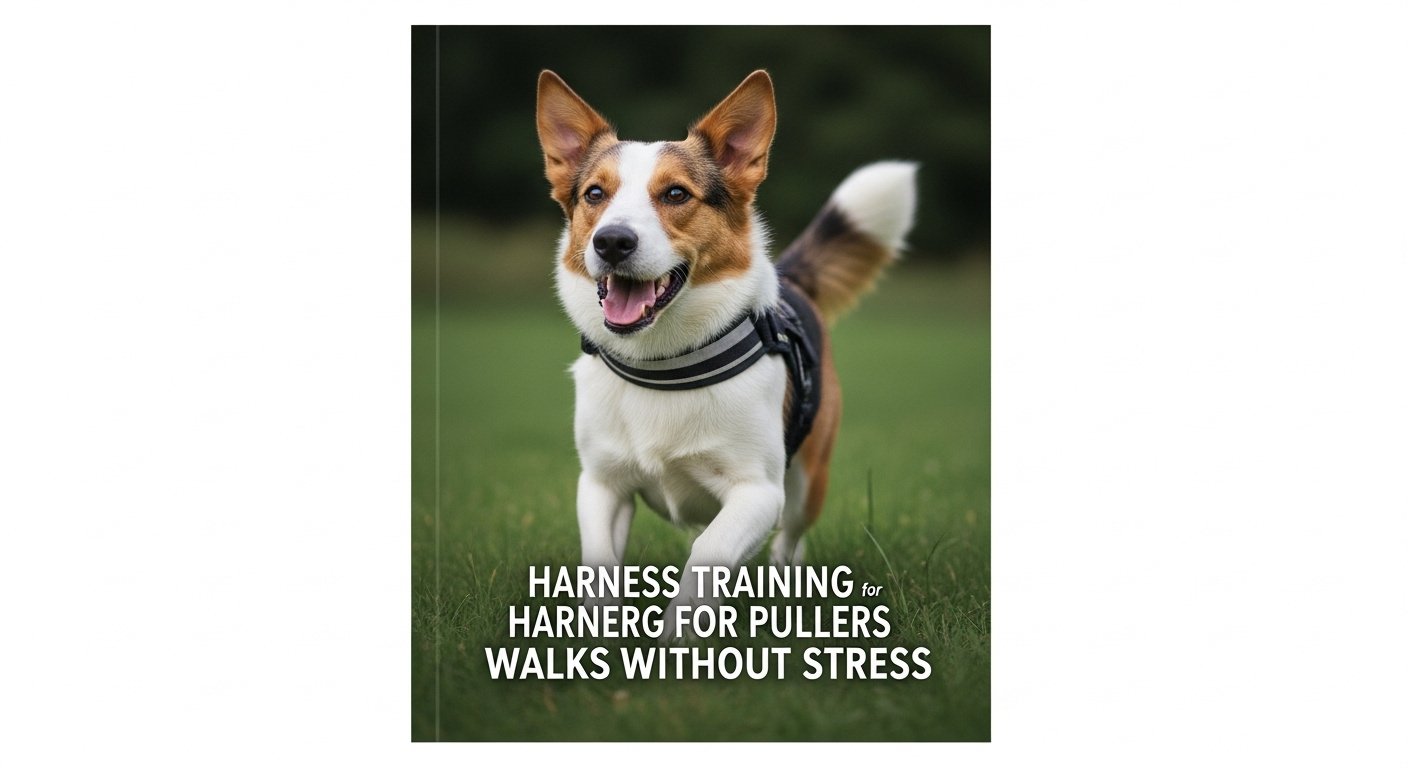
Opt for a front-clip harness for pullers—these are designed to curb forward momentum. Popular options include the Freedom No-Pull Harness or Halti, which provide control while being comfortable. Measure your dog’s chest and neck accurately to ensure a snug but not tight fit; you should be able to slip two fingers under the straps.
Basic Training Steps
Begin indoors: Let your dog sniff and get used to the harness with treats. Attach the leash and reward any steps without tension. Use games like “red light, green light”—stop when they pull, resume with praise when the leash slackens. Practice short sessions daily, building up to outdoor walks.
Quick Tips for Success
Keep sessions fun and short, use high-value treats, and be patient. If pulling continues, revisit basics or seek professional help to address underlying excitement or fear.
Walking your furry friend should be a joyful bonding experience, not a tug-of-war battle that leaves both of you frustrated and sore. If you’ve got a dog who’s more puller than polite stroller, harness training could be the game-changer you need. In this comprehensive guide, we’ll dive deep into why dogs pull, the science behind no-pull harnesses, how to select and fit the perfect one, a detailed step-by-step training plan, troubleshooting common pitfalls, and expert tips to ensure your walks become stress-free adventures. Backed by insights from reputable sources like the Best Friends Animal Society, Chewy, and Canada Pooch, this post is packed with practical advice to help you and your pup stride in harmony.
Understanding Why Dogs Pull: The Root Causes
Dogs aren’t pulling to be naughty—they’re often driven by instinct, excitement, or lack of training. Common reasons include:
- Exploration Drive: Dogs naturally want to sniff and investigate their environment, leading them to forge ahead.
- Opposition Reflex: When pressure is applied (like from a collar), many dogs instinctively push against it, worsening the pull.
- Lack of Early Training: Puppies not taught loose-leash walking early can develop bad habits that carry into adulthood.
- Breed Tendencies: Breeds like Huskies or Beagles, bred for pulling or scent work, may be more prone to this behavior.
- Environmental Factors: Distractions such as squirrels, other dogs, or new smells can trigger lunging.
Research from animal behaviorists emphasizes that pulling is rarely about dominance; it’s more about unmet needs or poor communication. Addressing these root causes with positive methods can transform your walks without resorting to punitive tools that might increase anxiety or aggression.
The Benefits of Harness Training for Pullers
Switching to a no-pull harness isn’t just about control—it’s about safety, comfort, and building a better relationship. Here’s why it works:
- Physical Health Protection: Traditional collars can strain the trachea, spine, and neck, potentially causing long-term issues like thyroid damage or collapsed windpipes. Harnesses redistribute pressure to the chest and shoulders, reducing injury risk.
- Psychological Well-Being: By avoiding throat constriction, harnesses prevent the panic or defensiveness that collars might trigger, leading to calmer, less reactive dogs.
- Enhanced Control for Owners: Front-clip designs turn the dog’s body toward you when they pull, naturally interrupting the behavior without yanking.
- Training Efficiency: Combined with rewards, harnesses facilitate positive reinforcement, teaching dogs that walking beside you is rewarding.
- Versatility for All Dogs: Suitable for puppies (from 8 weeks), adults, and seniors, with options for various sizes and breeds.
Studies and expert opinions, such as those from the ASPCA-affiliated Best Friends Animal Society, highlight that no-pull harnesses can reduce pulling by up to 80% when used correctly, making walks more enjoyable and strengthening the human-dog bond.
Choosing the Right No-Pull Harness: A Comparison Guide
Not all harnesses are created equal. For pullers, prioritize front-clip models that discourage forward momentum. Based on 2025 reviews from sources like Wirecutter, GearJunkie, and Whole Dog Journal, here’s a table comparing top options:
| Harness Model | Key Features | Best For | Price Range (USD) | Pros | Cons |
|---|---|---|---|---|---|
| Freedom No-Pull Harness (2 Hounds Design) | Dual front/back clips, velvet lining for comfort, adjustable straps | Medium to large pullers | $30-50 | Durable, escape-proof, reduces pulling effectively | Slightly bulky for small dogs |
| Halti No-Pull Harness | Front control ring, padded chest, reflective strips | Strong pullers, night walks | $20-40 | Affordable, easy to fit, good for training | May require head halter combo for extreme cases |
| Ruffwear Front Range | Padded panels, ID pocket, four adjustment points | Active dogs, hiking | $40-60 | Comfortable for long wear, sturdy build | Higher price point |
| Rabbitgoo No-Pull | Breathable mesh, quick-release buckles, handle on top | Budget-conscious owners | $15-25 | Lightweight, adjustable, value for money | Less durable for heavy pullers |
| PetSafe Easy Walk | Martingale loop, quick-snap shoulder straps | Beginners, small to medium dogs | $20-35 | Simple design, effective redirection | Can twist if not fitted perfectly |
When selecting, consider your dog’s size, strength, and any sensitivities (e.g., short muzzles may need head halters like Gentle Leader instead). Always consult a vet for breed-specific advice, and opt for high-quality, adjustable models to ensure longevity.
Proper Fitting: The Foundation of Success
A poorly fitted harness can cause chafing, restricted movement, or escape attempts—common issues noted in training guides. Follow these steps:
- Measure Accurately: Use a soft tape to measure the widest part of the chest (behind front legs) and neck base. Add 2 inches for comfort.
- Adjust Straps: Ensure it’s snug—two fingers should fit under each strap. The chest plate should sit flat without riding up.
- Test Movement: Have your dog sit, stand, and walk; straps shouldn’t rub shoulders or hinder leg motion.
- Re-Check Regularly: Puppies grow quickly, and weight changes can affect fit. Avoid leaving harnesses on unsupervised to prevent chewing or snags.
Expert tips from Canada Pooch stress that a good fit allows panting and lying down comfortably, preventing irritation or breathing issues.
Step-by-Step Harness Training Guide
Training requires patience, consistency, and positive reinforcement. Start with short, 5-10 minute sessions multiple times a day, gradually building up. Here’s a detailed plan adapted from Chewy and Best Friends Animal Society:
- Introduce the Harness Positively: Let your dog sniff it, scatter treats nearby, and reward interaction. Slip it on briefly, praise lavishly, and remove before discomfort sets in. Repeat over days to build a happy association.
- Attach the Leash Indoors: In a quiet room, clip the leash and let it drag. Reward calm behavior. If they freeze or paw, distract with play and treats.
- Teach Loose-Leash Basics: Take a step; if the leash stays slack, praise and treat at your side. Use a consistent side (left or right) to avoid confusion.
- Practice Direction Changes: Walk randomly (“crazy walking”) to keep your dog focused on you. Change direction if they pull, rewarding when they catch up.
- Incorporate Games: Play “red light, green light”—stop dead when pulling occurs, resume only when slack. For persistent pullers, use the “U-turn” method: Pivot 180 degrees away from the distraction.
- Gradually Add Distractions: Move from indoors to backyard, then quiet streets. Increase treat intervals randomly to wean off rewards.
- Outdoor Integration: On real walks, use commands like “easy” for tension. If lunging happens, anchor the leash and redirect attention with noises or treats.
- Advanced Refinement: Once consistent, fade treats but maintain praise. Practice in high-distraction areas like parks.
Remember, puppies under 8 weeks should have ultra-short sessions; for adults, aim for 10-15 minutes. Tools like head halters (e.g., Halti) can complement for strong pullers, but introduce slowly to avoid resistance.
Troubleshooting Common Issues
Even with the best plan, challenges arise. Here’s how to handle them:
- Persistent Pulling: Increase treat value or frequency; return to low-distraction areas. Avoid yanking—use gentle redirection.
- Harness Fear or Resistance: If your dog cowers, use desensitization: Pair harness sightings with treats, building exposure gradually.
- Leash Biting: Drop tension and make walking more engaging with rapid rewards; use two leashes if needed.
- Escaping or Chafing: Re-fit or choose escape-proof designs like the EzyDog Crosscheck.
Avoiding Common Mistakes in Harness Training
From sources like Happy Hounds and Sniff & Bark, here are pitfalls to sidestep:
- Guessing Size Instead of Measuring: Leads to discomfort or escapes; always measure.
- Inconsistent Training: Rewarding sometimes reinforces pulling; stop every time.
- Using Punishment Tools: Prong collars or jerks can worsen behavior and cause harm.
- Ignoring Breed/Weight Factors: Heavy pullers need sturdier options; style over function risks injury.
- Long Sessions Early On: Overwhelms dogs; keep initial ones short and positive.
Expert Tips for Long-Term Success
- Integrate into daily routines for consistency.
- Combine with obedience commands like “sit” or “heel.”
- Track progress in a journal to celebrate wins.
- For tough cases, consult a certified trainer—tools alone aren’t magic.
- Maintain fun: End sessions positively to keep your dog eager.
With dedication, harness training can turn chaotic pulls into peaceful strolls, enhancing your bond and your dog’s quality of life. Happy walking!
Key Citations:
- How to Stop a Dog From Pulling on the Leash – Best Friends Animal Society
- How to Leash Train a Dog: A Step-by Step Guide | Chewy
- No-Pull Harness Training Tips and Techniques: A Comprehensive Guide – Canada Pooch
- The 6 Best Dog Harnesses of 2025 | Reviews by Wirecutter
- The Best Dog Harnesses of 2025 | GearJunkie Tested
- Best Affordable No-Pull Dog Harness – Whole Dog Journal
- The Truth About Dog Harness Fit: Avoid These 5 Common Mistakes – Sniff & Bark
- Harness Conditioning: How to Fix Dog Harness Fear – Happy Hounds