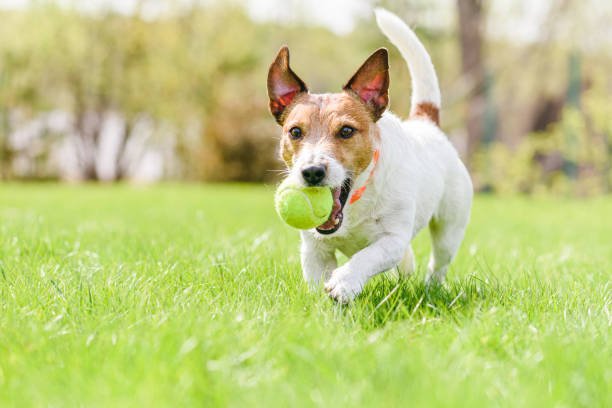
Teaching your dog to fetch can be a rewarding experience that strengthens your bond, though success may vary based on your dog’s breed, age, and interest level. Research suggests positive reinforcement methods work best, but patience is key as not all dogs take to it immediately.
- Start with basics: Begin by building interest in a toy and teaching simple commands like “hold” or “take it” using treats and praise.
- Use short sessions: Keep training to 5-10 minutes to maintain engagement without overwhelming your dog.
- Incorporate rewards: Always reward successful retrieves to encourage repetition, gradually reducing treats over time.
- Build gradually: Increase distance and complexity only after mastering each step to avoid frustration.
- Address individual needs: Adapt for puppies, seniors, or less motivated dogs by choosing appealing toys and environments.
Why Teach Fetch?
Fetch provides excellent physical exercise and mental stimulation for dogs, helping to burn energy and prevent boredom-related behaviors. It’s also a fun way to practice obedience commands like “come” and “drop it.” While some breeds excel naturally, any dog can learn with consistent effort.
What You’ll Need
Gather high-value treats, a variety of toys (balls, ropes, or plush items), and possibly a clicker for precise timing of rewards. Opt for safe, durable toys suited to your dog’s size to prevent choking hazards.
Basic Steps Overview
- Introduce the toy and build excitement.
- Teach “hold” by rewarding mouth contact.
- Practice “drop it” with trades for treats.
- Throw short distances and encourage return.
- Extend throws as confidence grows.
Teaching your dog to fetch perfectly isn’t just about tossing a ball—it’s a structured process that builds on natural instincts while fostering trust and enjoyment. While breeds like retrievers may pick it up quickly, evidence shows that with positive reinforcement, virtually any dog can master this skill, though individual temperaments play a role. This guide draws from expert sources to provide a comprehensive, step-by-step approach, including preparations, detailed training phases, troubleshooting, recommended tools, and more. Whether you’re working with a puppy or an older dog, consistency and fun are essential for success.
Introduction to Fetch Training
Fetch taps into a dog’s prey drive, simulating hunting behaviors like chasing and retrieving. Benefits include improved physical fitness, better recall skills, and stronger owner-dog bonds. However, not all dogs are innate fetchers—some need encouragement to develop interest. Start in a distraction-free environment, like a hallway or fenced yard, to set your dog up for success. Sessions should be short (5-15 minutes) and end on a positive note to leverage latent learning, where progress continues even during breaks.
Preparing for Training
Before diving in, assess your dog’s motivation. If they’re not toy-driven, use food-stuffed toys or high-value treats to spark interest. Choose a dedicated fetch toy that’s only used for this game to maintain its appeal—avoid leaving it out for free play. For puppies or young dogs, train on soft surfaces to protect joints, and opt for floor-based retrieves instead of high throws. Seniors may need lighter toys and shorter distances to accommodate physical limits.
Consider your dog’s breed: Some are predisposed to excel at fetch due to historical roles in hunting and retrieving.
| Breed | Why They’re Great at Fetch | Key Traits |
|---|---|---|
| Labrador Retriever | Natural retrieving instincts from fishing and duck hunting backgrounds; love water and adjust to environments. | Energetic, loyal, mellow after play. |
| Golden Retriever | Eager to please with goofy energy; gentle mouths ideal for family games. | Intelligent, affectionate, thrives on exercise. |
| Standard Poodle | Bred as water retrievers; athletic and intelligent, reaching speeds up to 30 mph. | Hypoallergenic, suits active families. |
| Border Collie | Highly focused for sports like flyball; strong work ethic and responsiveness to commands. | Agile, loyal, needs mental stimulation. |
| English Springer Spaniel | Flushes and retrieves birds; excels in agility and dock diving. | Energetic, intelligent, bonds deeply during outings. |
Detailed Step-by-Step Guide
Use shaping techniques to break down fetch into manageable parts, rewarding incremental progress with praise, clicks, or treats. Always work at your dog’s pace, repeating steps as needed.
- Build Interest and Teach “Hold”: Show the toy and reward any interaction (sniffing, touching). Gradually require mouthing, then holding for seconds. Introduce “hold” cue. Build duration slowly—many short holds beat one long one.
- Introduce Tug and “Leave” or “Drop It”: Play tug briefly, then ask for “leave” and reward release. Present a treat under their mouth for “drop it” if needed. This prevents keep-away games.
- Encourage Chase and Retrieval: Toss the toy short distances in an enclosed space. Use excited tones and cues like “fetch” as they pick it up. Back away to motivate return, rewarding immediately. If they don’t return, call enthusiastically or run away to prompt chase.
- Add Distance and Variety: Once reliable at short throws, increase range gradually. Alternate toys and locations to generalize the skill. Incorporate commands like “sit” before throws for better control.
- Refine and Maintain: Fade treats to intermittent rewards, making the game itself reinforcing. Practice daily but vary to prevent boredom.
Best Toys for Fetch Training
Selecting the right toy enhances motivation. Prioritize durable, safe options that match your dog’s preferences.
| Toy Recommendation | Description | Why It’s Great | Source |
|---|---|---|---|
| Pocket Magnet | Sheepskin tug with stretchy handle; compact and throwable. | Builds tug interest leading to retrieve; natural scent appeals to dogs. | |
| Chuckit! Classic Launcher | Ball launcher with durable balls. | Extends throw distance safely; great for energetic breeds. | |
| KONG Classic | Rubber toy that bounces erratically. | Stuffable with treats for motivation; indestructible for heavy chewers. | |
| The Clam | Food-dispensing toy for throwing. | Rewards return with treats; ideal for food-motivated dogs. | |
| Pocket PowerBall Magnet | Sheepskin with built-in ball for weight. | Adds distance; transitions from tug to full fetch. |
Common Mistakes and Troubleshooting
Avoid these pitfalls to ensure smooth progress. If issues arise, lower criteria or take breaks.
| Common Mistake | Why It Happens | How to Fix | Source |
|---|---|---|---|
| Grabbing the toy too soon | Owners reach for the ball immediately upon return, causing the dog to evade. | Wait for voluntary drop; use “drop it” cue and reward. | |
| Sessions too long | Overtraining leads to frustration or loss of interest. | Limit to 5-10 minutes; end while still fun. | |
| Using force or punishment | Scolding discourages the dog from engaging. | Stick to positive reinforcement; never punish. | |
| Wrong environment | Distractions or escape routes cause wandering. | Start in enclosed spaces; build to open areas. | |
| Raising criteria too fast | Dog quits if steps are skipped. | Shape incrementally; revisit basics if needed. |
For dogs that chase but don’t return, use a second toy to trade or run away to encourage chase back. If uninterested, try different toys or accept that fetch isn’t for every dog—explore alternatives like tug or puzzle games.
Advanced Tips
Once basics are solid, integrate fetch into recall training or agility. Teach an “off-switch” by cueing “all done” and ignoring further attempts to play. For high-drive dogs, use structured sessions to prevent obsession. Vary throws with bounces or rolls for added challenge.
Conclusion
Mastering fetch perfectly requires time, but the payoff in joy and health benefits is immense. Remember, the goal is fun—adapt to your dog’s unique needs and celebrate small wins. With these methods, you’ll have a reliable fetch partner in no time.