- Key Points on Teaching Your Dog to Heel: positive reinforcement methods, like treats and praise, are effective for most dogs, though results can vary by breed and temperament. It seems likely that starting indoors minimizes distractions, leading to faster progress. Evidence leans toward consistency being key, but some trainers debate leash types for optimal control.
- Benefits of Heeling: Heeling keeps your dog close and attentive, reducing pulling and enhancing safety during walks. It strengthens your bond and prevents issues like chasing distractions or ingesting hazards.
- Essential Equipment: You’ll need a standard leash (4-6 feet, non-retractable), a collar or harness (front-clip for pullers), treats, and optionally a clicker for marking good behavior.
- Basic Steps to Get Started:
- Start in a quiet indoor space with treats in hand.
- Position your dog on your preferred side (left is traditional).
- Use a cue like “heel,” lure with a treat, take a few steps, and reward.
- Stop if they pull, call back, and restart.
- Gradually increase steps and reduce treats over sessions.
- Quick Tips for Success: Keep sessions short (10 minutes), be patient, and practice daily. If challenges arise, consider breed-specific traits—energetic breeds may need more exercise first.
Introduction to Heeling: A Path to Better Walks
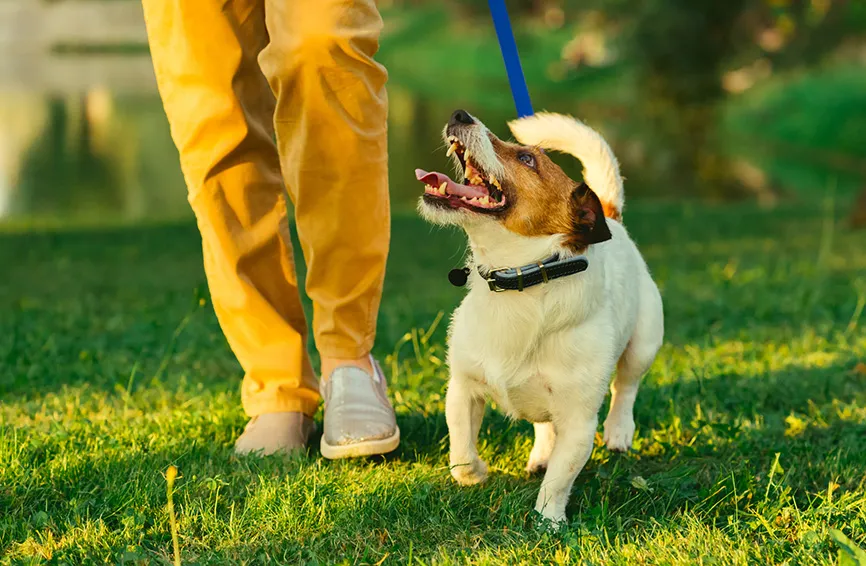
Walking your dog should be a joy, not a tug-of-war. Teaching your dog to “heel” means they walk calmly by your side on a loose leash, without pulling ahead or lagging behind. This skill is essential for safety, control, and building a stronger relationship with your furry friend. According to experts from organizations like the American Kennel Club (AKC) and the Animal Humane Society (AHS), heeling is achievable for puppies and adult dogs alike through positive reinforcement techniques. It’s not just about obedience; it’s about communication and mutual respect. In this comprehensive guide, we’ll cover everything from basics to advanced troubleshooting, drawing from reliable training resources.
Why Teach Your Dog to Heel?
Beyond the obvious perk of stress-free strolls, heeling offers numerous benefits. It prevents your dog from darting into traffic, chasing squirrels, or eating harmful items off the ground. For handlers, it reduces arm strain and makes walks more enjoyable. Masterclass trainers note that heeling fosters focus on you as the leader, which can improve overall behavior. Additionally, it’s a foundation for activities like rally obedience or hiking. While some dogs (like herding breeds) pick it up quickly due to their drive to stay close, others (such as hounds with strong scent instincts) might require more patience. Always consider your dog’s age, health, and energy levels—consult a vet if mobility issues are present.
Equipment You’ll Need
Before starting, gather the right tools to set you both up for success. Avoid retractable leashes, as they encourage pulling by allowing variable lengths.
| Item | Description | Why It’s Useful | Recommendations |
|---|---|---|---|
| Leash | 4-6 foot standard leash (nylon or leather) | Provides control without excess slack | Non-retractable models for consistent training |
| Collar/Harness | Buckle collar, Martingale, head halter (e.g., Gentle Leader), or front-clip harness (e.g., Easy-Walk) | Reduces pulling; front-clip redirects forward motion | Choose based on your dog’s pulling strength—harnesses for strong pullers |
| Treats | Small, high-value treats (e.g., cheese, hot dogs, or commercial training bits) | Motivates through positive reinforcement | Cut into pea-sized pieces to avoid overfeeding |
| Clicker | Optional handheld device that makes a “click” sound | Marks exact moments of good behavior for precise timing | Affordable and available at pet stores; alternatives include verbal markers like “yes” |
These items are recommended by sources like the AHS and AKC for effective, humane training.
Step-by-Step Guide to Teaching Heel
Follow these detailed steps, synthesized from expert methods. Start in a low-distraction environment like your living room or backyard. Sessions should be 10-15 minutes, 2-3 times daily, to keep your dog engaged without overwhelming them.
- Prepare Your Setup: Attach the leash and have treats ready. Decide on a side—left is traditional (from military origins where handlers needed their right hand free), but right works too. Hold treats in the hand on your dog’s side.
- Teach the Position: Call your dog’s name and point to your side. When they come alongside, click or say “yes” and reward. Repeat until they voluntarily position themselves. AKC emphasizes using “directed shaping” to encourage this without force.
- Introduce the Cue and Movement: Say “heel,” hold a treat near your side (at chest level to prevent jumping), and take one step forward. Stop and reward if they stay close. Gradually increase to two steps, then more. Masterclass suggests luring with the treat initially but fading it out.
- Handle Pulling or Distractions: If your dog pulls, stop immediately. Call them back (use treats to lure if needed), have them sit, then resume. AHS advises against rewarding right after pulling, as it reinforces the wrong sequence.
- Add Challenges: Once consistent, practice turns, zig-zags, and faster paces. Introduce eye contact with a “look” command. Move to outdoor areas with mild distractions.
- Fade Rewards and Generalize: Reduce treats over time—reward every few steps, then randomly. Practice in varied environments like parks. For off-leash heeling, use enclosed areas only after mastery.
Advanced Tips and Variations
As your dog improves, incorporate these enhancements:
- Incorporate Verbal Praise: Pair treats with enthusiastic “good heel!” to transition from food rewards.
- Breed-Specific Adjustments: For high-energy breeds like Labs, add pre-walk exercise. For small dogs, use lighter equipment.
- Loose Leash vs. Strict Heel: “Heel” is precise positioning; loose leash allows more freedom. AHS suggests naming both for versatility (e.g., “heel” for close walks, “free time” for sniffing).
- Clicker Training Depth: The click marks the behavior instantly, bridging to the reward. Practice timing without your dog first.
- Group Walks: Once solid, practice with other dogs to build distraction tolerance.
For puppies under 6 months, keep sessions playful and short to avoid frustration.
Troubleshooting Common Issues
Even with the best plans, challenges arise. Here’s a table of frequent problems and solutions:
| Issue | Possible Causes | Solutions | Prevention Tips |
|---|---|---|---|
| Persistent Pulling | High distractions, insufficient rewards, or underlying energy | Stop and redirect; use front-clip harness | Build gradually; exercise dog before training |
| Lagging Behind | Fear, tiredness, or boredom | Encourage with treats ahead; shorten sessions | Check health; make training fun with variety |
| Jumping for Treats | Treats held too high or inconsistently | Hold at chest level; reward calmly | Use verbal markers; fade lures early |
| Loss of Focus | Overlong sessions or poor timing | Keep short; practice in quiet spots first | Increase difficulty slowly; use high-value treats |
| Inconsistency Across Handlers | Different family members using varied methods | Standardize cues and rewards household-wide | Family training sessions for alignment |
AKC warns against tight leashes, as they teach reliance on tension rather than voluntary positioning. If issues persist, consider professional trainers or classes for personalized advice.
The Science Behind Positive Reinforcement
Heeling training relies on operant conditioning, where good behaviors are rewarded to increase their frequency. Studies in animal behavior support this over punishment-based methods, which can cause fear or aggression. Resources like Masterclass highlight that prompt rewards build trust and eagerness to learn. Patience is crucial—most dogs master basics in 1-2 weeks with daily practice, but full generalization takes months.
Conclusion: Enjoy the Journey
Teaching your dog to heel transforms chaotic walks into harmonious adventures. Remember, every dog learns at their own pace, so celebrate small wins. If you’re dealing with a rescue or older dog, extra compassion goes a long way. With consistency, you’ll have a well-mannered companion ready for any outing.