Bringing home a fluffy new kitten is exciting, but potty training can feel daunting. Research suggests most kittens learn quickly with the right setup, often within days, though some may need a few weeks of patience. It seems likely that consistent positive reinforcement leads to success, but evidence leans toward consulting a vet if issues persist, as medical factors could play a role.
- Start Early: Begin litter training around 4 weeks old, when kittens are weaning, for the best results.
- Choose the Right Gear: Opt for low-sided boxes and fine, unscented litter to make it inviting and safe.
- Strategic Placement: Put boxes in quiet, accessible spots away from food and high-traffic areas.
- Routine Reinforcement: Guide kittens to the box after meals, play, or naps, and reward successful uses.
- Troubleshoot Gently: Address accidents by checking for stress or health issues rather than punishment, which can worsen problems.
Getting Started
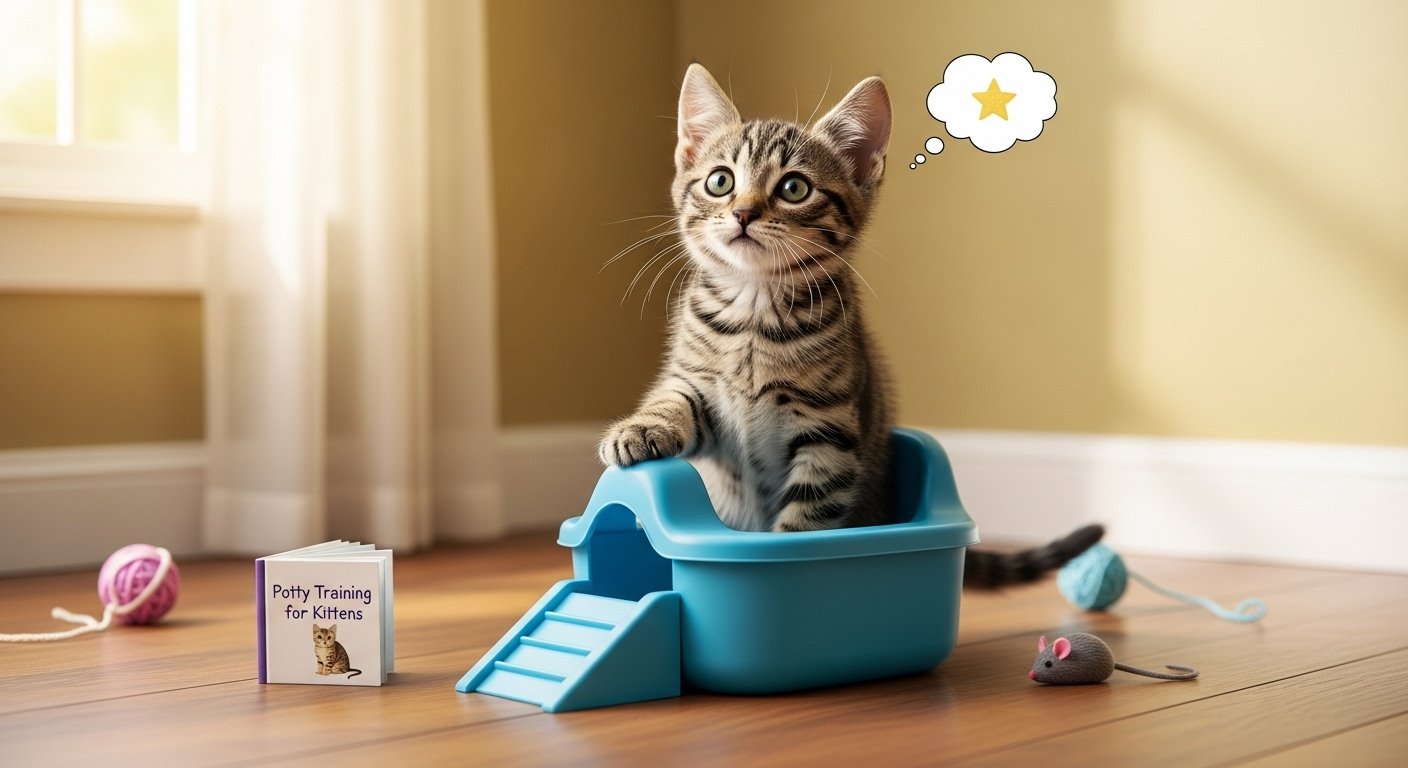
For new kitten owners, the process is straightforward but requires consistency. Select a small, open litter box to avoid intimidating your tiny furball, and use non-clumping litter initially to prevent ingestion risks. Place it in a low-stress area, and introduce your kitten gently—many instinctively know what to do thanks to their mother’s example.
Essential Tips
Keep the box clean by scooping daily, as cats are fastidious creatures. If your kitten avoids the box, experiment with litter types or locations, and rule out medical concerns like infections. Positive vibes only—treats and praise go a long way.
Bringing a new kitten into your home is a joyous adventure filled with purrs, playful antics, and yes, a bit of potty training. While kittens are naturally inclined to use a litter box—thanks to instincts honed from their wild ancestors—guiding them with quick and effective strategies ensures a smooth transition. This comprehensive guide draws from expert advice from veterinarians, animal behaviorists, and humane organizations to help you set up your kitten for success. We’ll cover everything from when to start, selecting the right supplies, step-by-step training, common pitfalls, troubleshooting, and maintenance tips. Whether you’re a first-time cat parent or adding to your furry family, these strategies will make potty training stress-free and efficient.
Understanding Kitten Potty Behavior
Kittens typically begin learning litter habits from their mother around 3 to 4 weeks old, during the weaning phase. At this age, they start exploring solid foods and mimicking mom’s elimination routines. If you’re adopting an orphaned or stray kitten, you may need to step in as the teacher, but most domesticated kittens catch on quickly—often within a few days to a week—with minimal intervention. Experts like those from the ASPCA emphasize that cats are inherently clean animals who prefer to bury their waste, so the key is providing an appealing setup that aligns with their natural preferences. However, factors like stress, health issues, or improper box placement can lead to accidents, highlighting the importance of a thoughtful approach.
For very young kittens (under 4 weeks), manual stimulation with a warm, damp cloth may be necessary to encourage elimination, as moms usually handle this. Once they hit 4 weeks, transition to a litter box setup. Remember, patience is crucial: punishing accidents can create fear and aversion, making training harder. Instead, focus on positive reinforcement to build trust and good habits.
Choosing the Right Litter Box and Litter
Selecting appropriate gear is foundational to successful training. Kittens have small bodies and developing coordination, so the box should be easy to access without feeling overwhelming.
Litter Box Options
Opt for a low-sided, open box to start—something around 13 by 9 inches for tiny kittens, scaling up as they grow to about 1.5 times their body length. Covered boxes might seem like a good idea for odor control, but many cats, including kittens, dislike them because they feel trapped or can’t see their surroundings. Feline behavior consultant Mieshelle Nagelschneider notes, “In nature, cats don’t want to get caught by a predator inside an enclosed area.” That said, preferences vary; offer both open and covered options initially to see what your kitten chooses.
The general rule for multi-cat homes (or even single-kitten setups) is one box per cat plus one extra—placed in different areas to prevent territorial issues. For households with multiple levels, place at least one box per floor for easy access.
Litter Types
Kittens under 8-10 weeks should use non-clumping litter to avoid accidental ingestion during exploration, which could cause blockages. Fine-grained, unscented varieties mimic the soft sand or soil cats naturally prefer, making them more appealing. Once older, switch to clumping litter for easier cleaning. Avoid scented litters, as strong smells can deter sensitive noses.
Here’s a comparison table of common litter types to help you choose:
| Litter Type | Pros | Cons | Best For |
|---|---|---|---|
| Non-Clumping Clay | Affordable, good odor control, soft texture for paws | Dusty, requires frequent full changes, not eco-friendly | Young kittens, budget-conscious owners |
| Clumping Clay | Easy scooping, locks in odors, lasts longer | Can be ingested by curious kittens, heavier to handle | Older kittens, multi-cat homes |
| Crystal/Silica | Excellent absorption, low dust, minimal tracking | More expensive, some cats dislike the texture | Low-maintenance setups |
| Plant-Based (e.g., corn, wheat) | Biodegradable, natural scent, flushable in some cases | May attract bugs if not stored properly, less clumping | Eco-friendly households |
| Paper/Pellet | Dust-free, gentle on paws, recyclable | Poor odor control, absorbs less effectively | Kittens with respiratory issues |
Test a few types side-by-side in separate boxes to let your kitten vote with their paws— they’ll gravitate toward their favorite.
Ideal Placement and Setup
Location matters immensely. Place the litter box in a quiet, low-traffic area where your kitten feels safe but can access it easily—no navigating stairs or dodging noisy appliances like washers. Keep it away from food and water bowls, as cats instinctively separate eating and elimination zones. In multi-cat environments, distribute boxes to avoid bullying or guarding behaviors.
Ensure the area is well-lit (cats see better in dim light, but a night-light helps), and provide multiple escape routes so your kitten doesn’t feel cornered. For initial training, confine your kitten to a small room like a bathroom with the box, bed, and toys to encourage use without overwhelming choices. Gradually expand their space as they master the habit.
Step-by-Step Training Process
Follow these quick, effective steps to potty train your kitten:
- Prepare the Space: Set up the box with 2-3 inches of litter in a designated quiet spot. For orphaned kittens, start by mixing in a bit of soil or sand if they’re used to outdoor elimination, then gradually transition to litter.
- Introduce the Box: As soon as you bring your kitten home, place them gently in the box. Let them sniff and explore. If they don’t use it right away, no worries—many do instinctively.
- Establish a Routine: After every meal, nap, or play session, guide your kitten to the box. Gently scratch the litter with their front paws to simulate digging. Stay patient; repeat until they go on their own.
- Reinforce Positively: When they use the box, offer immediate praise, pets, or a small treat. This builds a positive association. Avoid any negative reactions to accidents—simply clean them up with an enzymatic cleaner to remove odors that might attract repeats.
- Monitor and Adjust: Watch for signs like scratching or sniffing floors, and redirect to the box. If they’re consistent for a week, you’ve likely succeeded!
For strays or ferals, confinement in a small area (like a bathroom) for the first few days accelerates learning by limiting options.
Common Mistakes and How to Avoid Them
Even with the best intentions, pitfalls can arise. Here are frequent errors and fixes:
- Using the Wrong Box Size/Type: Full-size or covered boxes can intimidate kittens. Solution: Start small and open, upgrading as they grow.
- Poor Placement: Hiding the box in a dark corner or near food. Solution: Choose visible, quiet spots with easy access.
- Infrequent Cleaning: Dirty boxes lead to avoidance. Solution: Scoop daily, fully clean weekly with unscented soap.
- Punishment for Accidents: This creates fear. Solution: Stay calm, clean thoroughly, and reinforce good behavior.
- Ignoring Preferences: Not testing litters. Solution: Offer choices and observe.
A table of common issues and solutions:
| Issue | Possible Causes | Solutions |
|---|---|---|
| Eliminating Outside Box | Stress, medical problems, dirty box | Vet check, clean more often, add pheromone diffusers |
| Avoiding the Box Entirely | Unappealing litter, poor location | Switch types, relocate box, provide multiples |
| Frequent Small Urinations | Urinary tract infection | Immediate vet visit |
| Spraying (Vertical Marking) | Hormones, territory stress | Spay/neuter, reduce household stressors |
| Digging but Not Using | Texture aversion, intimidation | Try finer litter, open box style |
Troubleshooting Persistent Problems
If accidents continue, first rule out medical issues like parasites, infections, or cystitis with a vet visit—kittens are prone to these. Stress from changes (new pets, moves) can also cause lapses; use synthetic pheromone sprays to calm them. In multi-cat homes, ensure no bullying by adding more boxes and vertical spaces like shelves.
For imprinted strays, gradually mix preferred substrates (e.g., newspapers) with litter. If problems persist, consult a certified behaviorist. Remember, most issues stem from setup or health, not defiance.
Long-Term Maintenance and Tips for Success
Once trained, maintain habits with daily scooping and weekly deep cleans. As your kitten grows, upgrade box sizes and consider self-cleaning options if they tolerate them. Spay or neuter by 6 months to prevent hormonal spraying. For eco-conscious owners, explore biodegradable litters, but always prioritize your cat’s preference.
Additional pro tips:
- Use a litter mat to reduce tracking.
- Introduce changes slowly to avoid setbacks.
- Monitor habits ongoing—sudden changes could signal health concerns.
- For multi-kitten litters, train together but provide extra boxes.
With these strategies, your kitten will be potty-pro in no time, leaving more moments for cuddles and play. Happy training!