
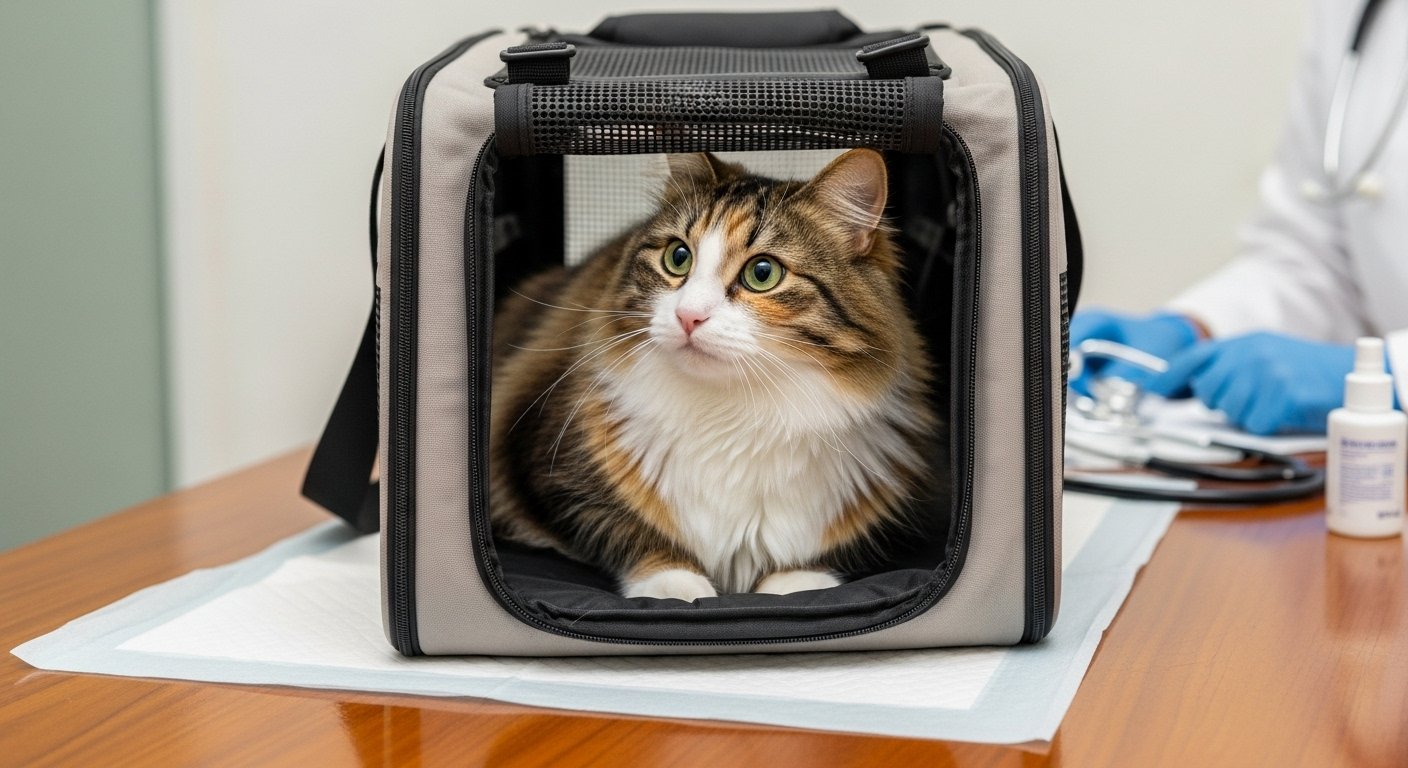
- Carrier acclimation is essential: Research suggests starting early by leaving the carrier out as a cozy spot with treats and familiar scents can significantly reduce stress, as cats associate it with safety rather than fear.
- Positive reinforcement works best: Evidence leans toward using treats, praise, and play to build calm behaviors, avoiding punishment which may heighten anxiety in sensitive cats.
- Calming aids show promise: Pheromone sprays like Feliway mimic natural scents to promote relaxation, though effectiveness varies; consult a vet for options like mild medications if needed.
- Owner calm influences outcomes: It seems likely that staying composed and using soothing tones helps, as cats often mirror human emotions during transport and exams.
- Practice makes progress: Short, non-vet car rides and mock visits appear to desensitize cats over time, though patience is key for all personalities.
Getting Started
Begin by assessing your cat’s current comfort level with carriers and car rides. If they’ve had negative experiences, it may take weeks of gentle exposure to rebuild trust. Choose a carrier that’s sturdy, with multiple openings for easy access, and line it with soft, familiar bedding. Introduce it in a quiet room where your cat feels secure.
Basic Training Steps
- Familiarize gradually: Place treats or toys inside the open carrier daily to encourage voluntary entry.
- Build duration: Once comfortable, close the door briefly while offering praise, extending time slowly.
- Add movement: Carry the cat around the house, then take short drives, always ending positively.
Quick Tips for Success
- Tire your cat out with play before appointments to promote restfulness.
- Use pheromone products 10-15 minutes prior to travel.
- Opt for cat-friendly vets with separate waiting areas to minimize exposure to stressors.
Training your cat for vet visits without stress involves a compassionate, step-by-step approach that respects their natural instincts and sensitivities. Cats, being territorial and routine-oriented animals, often view vet trips as disruptions that trigger fear responses like hiding, scratching, or vocalizing. However, with consistent positive reinforcement and preparation, you can transform these experiences into manageable routines. This guide draws from veterinary experts and behavioral studies to provide a comprehensive plan, helping both you and your feline companion navigate health check-ups more peacefully. We’ll cover everything from carrier selection to post-visit recovery, ensuring a holistic strategy.
Understanding Why Vet Visits Stress Cats
Cats evolved as solitary hunters, making unfamiliar environments, handling by strangers, and confinement feel threatening. According to guidelines from the American Association of Feline Practitioners (AAFP) and International Society of Feline Medicine (ISFM), common stressors include carrier association with punishment, car motion, and clinic noises or smells. Reducing these can lead to better health outcomes, as stressed cats may receive incomplete exams or avoid future visits, potentially missing early detection of issues like dental disease or kidney problems. Research in the Journal of Feline Medicine and Surgery highlights that up to 58% of cats show signs of stress at vets, but training can lower this significantly. By starting early—ideally with kittens—you foster resilience, but even adult cats can adapt with patience.
Choosing the Right Carrier: The Foundation of Training
The carrier isn’t just a transport tool—it’s your cat’s safe haven. Opt for hard-sided models that are sturdy, well-ventilated, and open from both the front and top. This design allows vets to examine your cat without full removal, minimizing handling stress. Avoid soft-sided bags for anxious cats, as they may feel less secure. Size matters: It should be large enough for turning around but cozy to prevent sliding during rides. Removable tops are ideal for shy cats, per AAFP recommendations.
To make it inviting, line the bottom with absorbent puppy pads covered by a soft blanket scented with your cat’s pheromones (rubbed from their cheeks) or your own clothing. This familiar scent signals safety. If buying new, look for crash-tested options from brands like Sleepypod or Petmate for added security during car travel.
Step-by-Step Carrier Training Guide
Carrier training is the cornerstone of stress reduction, and studies show it can cut exam times and improve calmness when done over weeks with positive reinforcement. Here’s a detailed breakdown:
- Week 1: Introduction and Exploration
Leave the carrier in a favorite room with the door open or removed. Place cozy bedding, toys, and high-value treats inside. Feed meals nearby, gradually moving them in. Allow your cat to investigate at their pace—never force entry. Goal: Voluntary exploration to build positive associations. - Week 2: Building Comfort with Closure
Once your cat enters freely, briefly close the door for 10-30 seconds while offering praise and treats through the bars. Increase duration gradually to 5-10 minutes. Incorporate playtime around the carrier to keep it fun. If resistance occurs, backtrack and use catnip or feather toys to entice. - Week 3: Adding Movement and Short Trips
Lift and carry the carrier around the house smoothly, rewarding calm behavior. Progress to short car rides (5-10 minutes) to non-vet destinations, like a quiet park, ending with play or dinner at home. Use a seatbelt to secure the carrier on the floor for stability. - Ongoing: Mock Vet Visits
Simulate exams at home by gently touching paws, ears, and mouth while giving treats. Schedule “happy visits” to the vet for treats and pets without procedures—call ahead to arrange. Repeat rides weekly to maintain familiarity.
For visual learners, consider this training schedule table:
| Week | Focus Activity | Daily Duration | Tips & Rewards |
|---|---|---|---|
| 1 | Carrier as cozy spot | 10-15 min exploration | Treats inside; no closure. Monitor for voluntary entry. |
| 2 | Brief door closures | 1-5 min sessions, 2-3x/day | Praise softly; use favorite toys if needed. |
| 3 | House carries & short drives | 5-10 min rides, 1-2x/week | End with play; cover carrier if noisy. |
| 4+ | Full simulations & happy vet trips | 15-20 min, weekly | Involve family; consult vet for adjustments. |
This phased approach, supported by behavioral science, helps desensitize cats without overwhelming them.
Incorporating Calming Aids and Owner Behavior
Calming aids can enhance training. Pheromone products like Feliway spray or diffusers release synthetic versions of feline facial pheromones, signaling “this is safe.” Apply to the carrier 10-15 minutes before use. For severe anxiety, vets may prescribe gabapentin or other mild sedatives—test doses at home first. Natural options include catnip (for responsive cats) or CBD treats, but always vet-approved.
Your demeanor matters immensely. Cats detect stress through body language and tone, so practice deep breathing and speak softly. Tire your cat with interactive play 30-60 minutes before departure to encourage napping during travel.
The Day of the Vet Visit: Practical Strategies
Fast your cat lightly (no big meals 2-3 hours prior) to avoid motion sickness, but provide water. Cover the carrier with a breathable blanket to create a den-like feel, blocking sights and sounds. Drive smoothly, play calming music, and keep the car at a comfortable temperature.
At the clinic, choose Cat Friendly Practices (CFP) certified by AAFP—these feature separate cat areas, quiet rooms, and trained staff. Arrive early but wait in your car until called to avoid waiting room chaos. During the exam, share your cat’s preferences (e.g., no direct eye contact) and bring treats for the vet to use.
Common Mistakes to Avoid and Troubleshooting
Forcing a cat into the carrier often backfires, increasing resistance—always use lures instead. Punishing vocalizing or scratching exacerbates fear; redirect with distractions. If your cat hides, use a towel wrap technique (burrito-style) gently, but only as a last resort after training fails. For multi-cat households, train individually to prevent group stress.
If progress stalls, consult a veterinary behaviorist. Signs of extreme anxiety—like aggression or elimination—warrant professional help.
Recommended Products and Resources
- Carriers: Sleepypod Air (crash-tested) or Sherpa Original Deluxe.
- Calming Aids: Feliway Classic Spray, ThunderShirt for Cats, or vet-prescribed gabapentin.
- Toys/Treats: Interactive wands and freeze-dried chicken treats for motivation.
- Resources: AAFP’s Cat Friendly Homes site (https://catfriendly.com/) for free guides.
Post-Visit Recovery and Long-Term Maintenance
After returning, open the carrier in a quiet space and resume normal routines. Offer affection if sought, but respect if they need solitude. Maintain training with monthly refreshers to keep skills sharp. Over time, this not only eases vet visits but strengthens your bond, promoting overall well-being.
By implementing these strategies, you’re investing in your cat’s health and happiness. Remember, every cat is unique, so adapt based on their responses and seek vet advice for personalized plans. With empathy and consistency, stress-free vet visits become achievable for all.