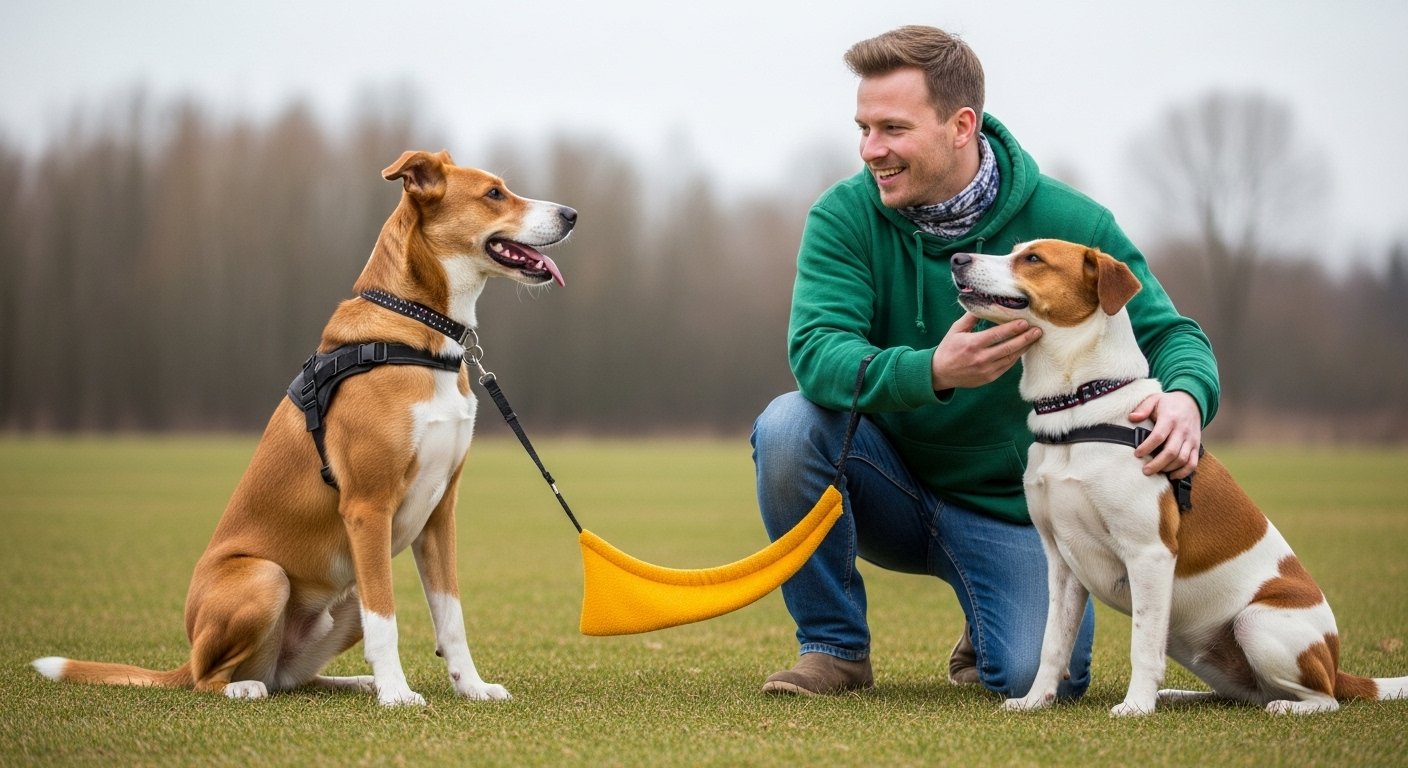
Teaching your dog clever tricks can strengthen your bond, provide mental stimulation, and wow friends and family. Research suggests that positive reinforcement training, using treats and praise, is the most effective method for most dogs, though individual results may vary based on breed, age, and temperament. Here are nine impressive tricks that many dogs can learn with patience and consistency:
- Shake Hands: A classic greeting that shows off your dog’s politeness.
- High Five: An energetic twist on shake for added flair.
- Speak: Get your dog to “talk” on cue, perfect for lively demonstrations.
- Spin: A fun twirl that highlights agility and responsiveness.
- Roll Over: A playful full-body move that’s always a crowd-pleaser.
- Play Dead: Dramatic “bang” trick for theatrical appeal.
- Bow: Elegant stretch that looks like a courteous curtsy.
- Leg Weaves: Impressive weaving through your legs while moving.
- Catch: Athletic skill for fetching tossed items mid-air.
These tricks build on basic commands like sit and down, and evidence leans toward short, frequent sessions being more successful than long ones. Always prioritize your dog’s comfort to avoid stress.
Why Teach These Tricks?
Tricks like these not only impress but also enhance obedience and exercise. Studies indicate that mentally engaged dogs exhibit fewer behavioral issues, making training a win-win. Start with beginner-friendly ones like shake, and progress to advanced like weaves.
Tips for Success
Use high-value treats, keep sessions under 10 minutes, and end on a positive note. If your dog struggles, it might be due to physical limitations—consult a vet for advice.
Quick Overview Table
| Trick | Difficulty Level | Prerequisites | Estimated Time to Learn |
|---|---|---|---|
| Shake Hands | Beginner | Sit | 1-2 weeks |
| High Five | Beginner | Shake | 1 week |
| Speak | Intermediate | None | 2-3 weeks |
| Spin | Beginner | None | 1 week |
| Roll Over | Intermediate | Down | 2 weeks |
| Play Dead | Intermediate | Down | 2-3 weeks |
| Bow | Beginner | Stand | 1-2 weeks |
| Leg Weaves | Advanced | None | 3-4 weeks |
| Catch | Intermediate | Fetch | 2 weeks |
This table is based on common training timelines from expert sources, though times can vary.
Teaching dogs tricks through positive reinforcement has been shown to improve their cognitive abilities and overall well-being, as supported by various canine behavior studies. This comprehensive guide explores nine clever dog tricks that can impress everyone from family members to fellow pet enthusiasts. Drawn from reputable sources like the American Kennel Club and other training experts, these tricks range from simple gestures to more coordinated maneuvers. We’ll cover step-by-step instructions, tips for success, potential challenges, and why each trick is worth teaching. Remember, patience is key—research suggests that dogs learn best in short, rewarding sessions, and forcing progress can lead to frustration on both sides. Always use treats, praise, or a clicker to mark good behavior, and adapt methods to your dog’s unique personality and physical capabilities.
Before diving in, note that these tricks build on foundational commands like “sit” and “down.” If your dog hasn’t mastered basics, start there. Evidence from training professionals indicates that breeds like Border Collies or Labrador Retrievers may pick up tricks faster due to their eagerness, but any dog can learn with consistency. Safety first: Avoid tricks that strain joints, especially for older or larger dogs, and consult a veterinarian if needed.
1. Shake Hands: The Timeless Greeting
Shake hands is a staple trick that’s easy to teach and always elicits smiles. It’s a great icebreaker for social situations and reinforces polite behavior. This beginner-level trick typically takes 1-2 weeks to master.
Step-by-Step Instructions:
- Have your dog sit in front of you.
- Hold out your hand palm-up at chest level, without a treat visible.
- Ignore any sniffing or licking; wait for your dog to paw at your hand naturally.
- As soon as they paw, mark the behavior (click or say “yes”) and reward with a treat and praise.
- Repeat until they paw consistently.
- Gradually build duration by waiting for the paw to rest on your hand for 1-2 seconds before rewarding, increasing time slowly.
- Introduce a cue like “shake” just before offering your hand.
- Once reliable, flatten your hand vertically and add a gentle up-and-down shake motion.
Tips and Challenges: If your dog doesn’t paw, gently tap their leg to encourage, but fade this quickly. For shy dogs, start with a treat in your closed fist to prompt action. Common issue: Over-excitement leading to jumping—redirect with a sit command. This trick improves paw awareness, useful for grooming.
2. High Five: High-Energy Fun
A step up from shake, high five adds enthusiasm and is perfect for energetic dogs. It’s beginner-friendly if shake is already known, often learned in a week.
Step-by-Step Instructions:
- Start with your dog sitting; build on shake by holding your hand higher, palm facing them.
- Hold a treat in a closed fist to encourage pawing.
- As they paw at your fist, mark and reward immediately.
- Repeat, gradually opening your hand to a flat palm.
- Introduce the cue “high five” before presenting your hand.
- Raise your hand higher over sessions to create the full high-five motion.
- Fade the treat lure by using an empty hand, rewarding from your other pocket.
Tips and Challenges: Use for greetings to burn energy. If they miss, lower your hand initially. Avoid if your dog has joint issues, as jumping could strain them. This trick boosts confidence and is a hit at parties.
3. Speak: Vocal Expression
Teaching “speak” lets your dog bark on command, adding personality to demos. It’s intermediate due to timing, taking 2-3 weeks.
Step-by-Step Instructions:
- Capture natural barks: Wait for excitement (like playtime) and mark each bark with “speak” and a treat.
- Repeat in various contexts to associate the cue.
- Once they bark on cue, practice in quieter settings.
- To prevent nuisance barking, only reward cued barks and teach a “quiet” counterpart.
Tips and Challenges: Ideal for alert breeds. If your dog is quiet, knock on a door to trigger barks. Balance with “quiet” to avoid excess noise, as some sources note over-barking as a risk.
4. Spin: Twirly Delight
Spin is a simple circle that showcases agility. Beginner level, learnable in a week.
Step-by-Step Instructions:
- Hold a treat above your dog’s nose.
- Move your hand in a large circle; they follow and spin.
- Mark and reward upon completion.
- Add cue “spin” and repeat.
- Teach opposite direction with a different cue like “twirl.”
- Fade the lure to just the hand motion, then verbal only.
Tips and Challenges: Great warm-up for exercise. Dizzy dogs? Slow down. Enhances coordination.
5. Roll Over: Playful Tumble
This full roll is intermediate, building on down, and takes about 2 weeks.
Step-by-Step Instructions:
- Start in down position.
- Hold treat near nose, move toward shoulder to lure onto side.
- Continue arc to guide full roll.
- Mark, reward, and add “roll over” cue.
- Practice both directions.
Tips and Challenges: Patience for hesitant dogs; use soft surfaces. Avoid if back issues present. Fun for bonding.
6. Play Dead: Dramatic Flop
“Bang” or play dead is intermediate, often 2-3 weeks.
Step-by-Step Instructions:
- From down, hold treat to side to lure roll onto side.
- Mark when flopped over, add cue “bang.”
- Build duration in position.
- Start from stand once mastered.
Tips and Challenges: Theatrical fun; finger gun cue adds flair. Stop if uncomfortable.
7. Bow: Graceful Gesture
Bow is beginner, 1-2 weeks, like a stretch.
Step-by-Step Instructions:
- Dog standing; lure nose down between front legs.
- Reward when front lowers, rear up.
- Add “bow” cue.
- Fade lure; build hold time.
Tips and Challenges: Good for flexibility. If they lie down, support belly lightly.
8. Leg Weaves: Agile Navigation
Advanced, 3-4 weeks, shows coordination.
Step-by-Step Instructions:
- Stand legs apart; lure through with treat.
- Guide around one leg, then other, into figure-8.
- Add “weave” cue.
- Fade lure; practice while walking slowly, then faster.
Tips and Challenges: Builds trust. Start stationary; tall dogs may need adjustments.
9. Catch: Airborne Fetch
Intermediate, 2 weeks, for active dogs.
Step-by-Step Instructions:
- Toss treat gently underhand.
- Reward catches; retry misses.
- Switch to toys once consistent.
Tips and Challenges: Start close; use soft items. Not for mouth-sensitive dogs.
In conclusion, these tricks can transform routine training into exciting performances. With consistent practice, most dogs can master them, leading to happier, more engaged pets. For more ideas, explore the full lists of 100+ tricks available online.