- It’s a fun, achievable trick: Most dogs can learn to roll over with patience and positive reinforcement, strengthening your bond and providing mental stimulation.
- Prerequisites are essential: Ensure your dog reliably knows the “down” command before starting, as it’s the foundation for this behavior.
- Use luring and rewards: Guide your dog with a treat from nose to shoulder and over the back, praising each success to build confidence.
- Practice safely: Train on soft surfaces, keep sessions short (5-10 minutes), and watch for signs of discomfort, especially in older or bony dogs.
- Common challenges: Some dogs may hesitate due to feeling vulnerable; if so, break it into smaller steps and be extra encouraging.
Why Teach This Trick?
Rolling over is not just adorable—it’s a great way to engage your dog’s mind and body. It builds on basic obedience and can make vet visits easier by getting them comfortable exposing their belly. According to experts, it’s one of the easier tricks once basics are mastered.
Quick Step-by-Step Overview
- Start with your dog in a “down” position.
- Hold a treat near their nose and slowly move it toward their shoulder to lure them onto their side; reward.
- Continue the motion over their back to complete the roll; praise and treat.
- Repeat, adding the cue “roll over” once consistent.
- Gradually fade the treat lure for verbal cue only.
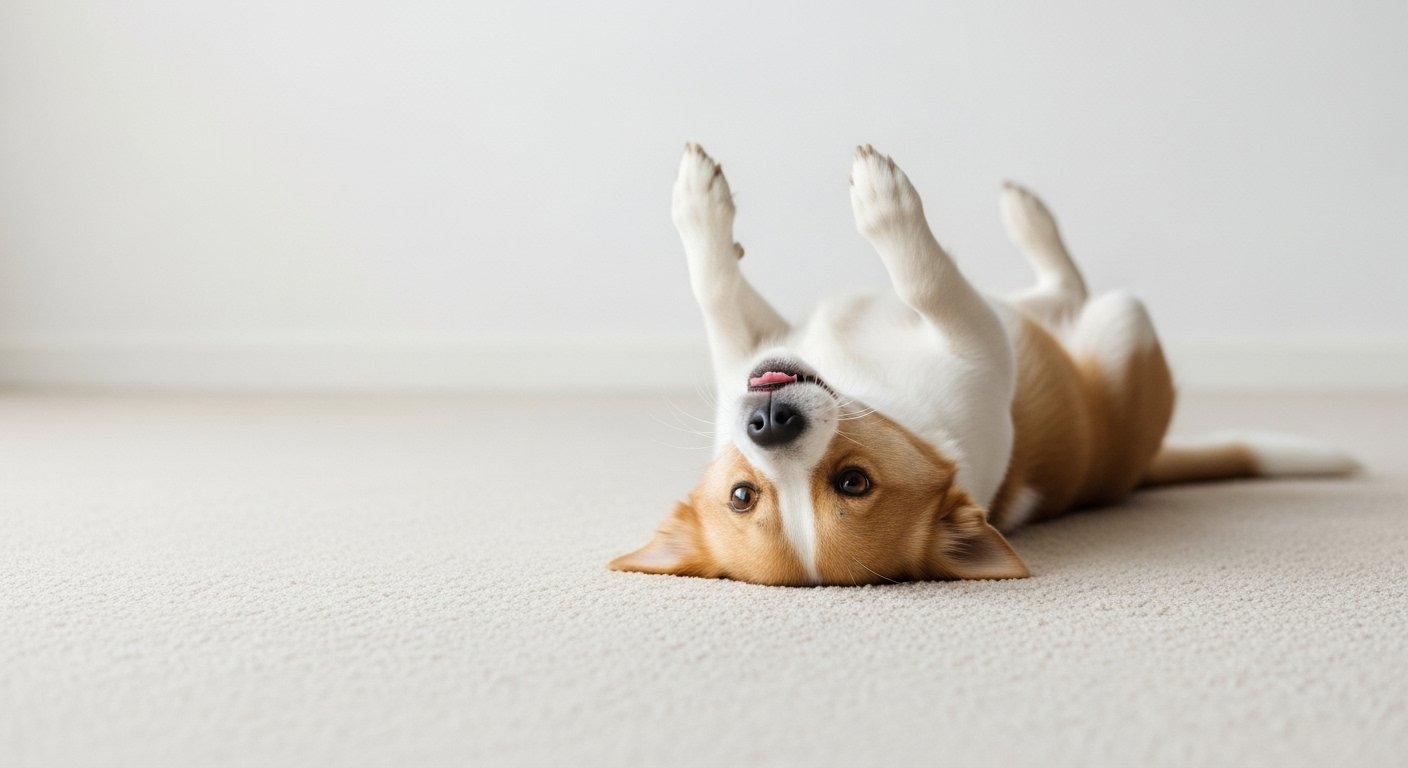
For visual guidance, here’s an example of a dog in the rolling motion:
Tips for Success
Choose high-value treats and train in a quiet, soft area. If your dog struggles, shape the behavior gradually without forcing.
Teaching your dog to roll over is a delightful trick that combines fun, exercise, and bonding time. Whether you’re a new pet parent or an experienced trainer, this guide will walk you through everything you need to know to teach this classic command. With step-by-step instructions, expert tips, troubleshooting advice, and more, you’ll have your furry friend rolling over in no time. Remember, consistency and positivity are key—dogs thrive on your enthusiasm!
Introduction: The Joy of Teaching Tricks
Imagine the smiles and applause when your dog flawlessly rolls over on command! This trick isn’t just cute; it enhances your dog’s obedience skills, boosts their confidence, and provides mental stimulation to prevent boredom. According to the American Kennel Club, tricks like roll over are easy and fun, building on basic cues like “down.” It’s also practical—getting your dog comfortable with belly exposure can make grooming or vet exams smoother. Best of all, it’s accessible for most dogs, from puppies to seniors, as long as they’re physically able.
Before diving in, assess your dog’s readiness. Puppies often learn faster due to their flexibility, but older dogs can master it with patience. If your dog has health issues like joint problems, consult a vet first. Gather supplies: high-value treats (small, soft, and smelly like cheese or chicken), a clicker if you use one, and a quiet space with a soft surface like carpet or grass to avoid discomfort.
Prerequisites: Setting the Foundation
Don’t skip this—success starts here! Your dog must know the “down” or “lie down” command reliably, as roll over begins from this position. If they don’t, practice that first: Lure them down with a treat from nose to ground, mark with “yes” or a click, and reward. Repeat until they respond to the verbal cue alone.
It’s also helpful if your dog is familiar with “sit,” but not essential. For best results, ensure they’re in a calm state—not too excited or tired. Training sessions should be short (5-15 minutes) and frequent (1-2 times daily) to keep things engaging without overwhelming them.
Step-by-Step Guide: How to Teach Roll Over
Follow these detailed steps, adapted from trusted sources like Purina and AKC. Go slow, rewarding progress at each stage. Use positive reinforcement only—never push or force your dog, as this can create fear.
- Get Your Dog in the Down Position: Command “down” and have them lie flat on their belly with paws forward and head up. Kneel beside them for easy access. If they pop up, gently guide back and try again.
- Lure to the Side: Hold a treat near their nose to grab attention. Slowly move it toward their shoulder (choose the side they naturally lean toward—observe during downs). This lures their head around, causing them to flop onto their side. Praise enthusiastically (“Good!”) and give the treat as soon as they’re on their side. Repeat 5-10 times until smooth.
- Extend to the Full Roll: From the side position, continue moving the treat over their back toward the opposite shoulder. Their body should follow, rolling them onto their back and then the other side. Mark the moment they complete the roll and reward immediately. If they stop halfway, reward partial progress and build up.
- Add the Verbal Cue: Once they consistently follow the lure, say “roll over” just before starting the motion. Repeat until they associate the word with the action.
- Fade the Lure: Gradually reduce hand movement—use an empty hand signal first, then minimize it. Reward after the roll. Eventually, they should respond to “roll over” alone. Practice in different locations to generalize.
- Polish and Proof: Add distractions slowly (e.g., other people watching). Vary directions if possible, though most dogs prefer one way.
Expect 1-2 weeks for most dogs to learn, but timelines vary by breed, age, and motivation. Breeds like Border Collies or Labs often pick it up quickly due to their eagerness to please.
Tips and Tricks for Effective Training
- Choose the Right Treats: Opt for small, aromatic ones to keep motivation high without overfeeding. Rotate flavors to prevent boredom.
- Timing is Everything: Use a clicker or marker word to pinpoint exact successes, speeding up learning.
- Environment Matters: Train on soft, non-slip surfaces to prevent slips or pain, especially for bony breeds like Greyhounds.
- Build Confidence: If your dog feels vulnerable (belly up is submissive), start with “play dead” or belly rubs to desensitize.
- Incorporate Fun: End sessions on a high note with play. Make it a game to keep your dog excited.
- Health Considerations: Avoid if your dog has back issues or is overweight—consult a vet. For large breeds, ensure no bloat risk from rolling.
From social media insights, trainers emphasize short sessions and ignoring unwanted behaviors to focus on positives.
Troubleshooting Common Issues
Not every dog rolls over easily—here’s how to handle hurdles:
- Resistance to Side Flop: If they sit up instead, lure slower and lower. Reward any head turn initially.
- Half Rolls Only: Shape behavior by rewarding incremental steps, like rolling to back then stopping.
- Discomfort or Fear: Some dogs (e.g., rescues) avoid vulnerability; use extra praise and stop if stressed. Try a different trick if persistent.
- Distractions: Start in quiet spots; gradually add noise.
- Physical Limitations: Older or unfit dogs may struggle—build core strength with easier exercises first.
If stuck, consider professional help from a certified trainer.
Variations and Advanced Tricks
Once mastered, level up!
- Roll Over Chain: Combine with “sit” or “down” for a sequence.
- Directional Rolls: Teach left and right versions.
- Advanced: Add “bang” (play dead) before roll, or teach “spin” as a precursor.
- Fun Twists: Use toys instead of treats for toy-motivated dogs.
Training Schedule Table
Here’s a sample weekly plan to structure your sessions:
| Day | Focus | Duration | Reps | Notes |
|---|---|---|---|---|
| 1-2 | Luring to side | 5-10 min | 5-10 | Reward every side flop; observe preferred direction. |
| 3-4 | Full roll extension | 10 min | 8-12 | Add verbal cue midway; use high-value treats. |
| 5-6 | Fading lure | 10-15 min | 10-15 | Practice with empty hand; vary locations. |
| 7 | Review & proof | 10 min | 10 | Add mild distractions; celebrate progress! |
Adjust based on your dog’s pace—some may need more time on early steps.
Conclusion: Celebrate Your Dog’s Success
Congratulations—you’ve equipped yourself to teach a timeless trick! With patience, your dog will soon roll over with glee, impressing everyone. Remember, training is about joy and connection, so keep it positive. If you encounter unique challenges, resources like the AKC or local classes can help. Share your progress on social media for inspiration—happy training!z