- Research suggests that providing one litter box per cat plus one extra is essential to reduce stress and territorial issues in multi-cat homes.
- Experts recommend using unscented, clumping litter and large, open boxes to encourage consistent use.
- Placement in quiet, accessible areas away from food and water helps prevent avoidance, while daily cleaning maintains hygiene.
- Addressing behavioral issues like bullying or marking often involves creating separate spaces and consulting vets for underlying health problems.
- Patience and positive reinforcement are key, as punishment can worsen problems.
Essential Tips for Success
Start by ensuring each cat has easy access to clean litter boxes. Follow the “n+1” rule—one box per cat plus an extra—to minimize competition. Opt for unscented clumping litter, as most cats prefer it for its texture and lack of overwhelming smells. Place boxes in low-traffic, private spots spread throughout the home, especially in multi-level houses.
Common Challenges and Quick Fixes
If cats avoid the box, rule out medical issues first with a vet visit. For territorial disputes, add more “cat places” like shelves or scratching posts to reduce stress. Avoid scented litters or covered boxes if cats show reluctance, as these can make them feel trapped.
Living with multiple cats can be a joy, but it comes with unique challenges, especially when it comes to litter training. Cats are naturally clean animals, but in a shared space, factors like territory, stress, and preferences can lead to mishaps. This comprehensive guide draws from expert sources to help you create a harmonious, accident-free home. We’ll cover everything from setup basics to troubleshooting, ensuring your feline family thrives.
Introduction to Litter Training in Multi-Cat Homes
Cats instinctively use litter boxes, but in households with more than one cat, dynamics shift. Competition, bullying, or simply differing preferences can cause one cat to avoid the box, leading to inappropriate elimination. Experts emphasize that prevention is key: a well-thought-out setup reduces stress and promotes good habits. Whether you’re introducing a new kitten or managing long-time companions, understanding these needs is crucial for peace.
The Golden Rule: Number of Litter Boxes
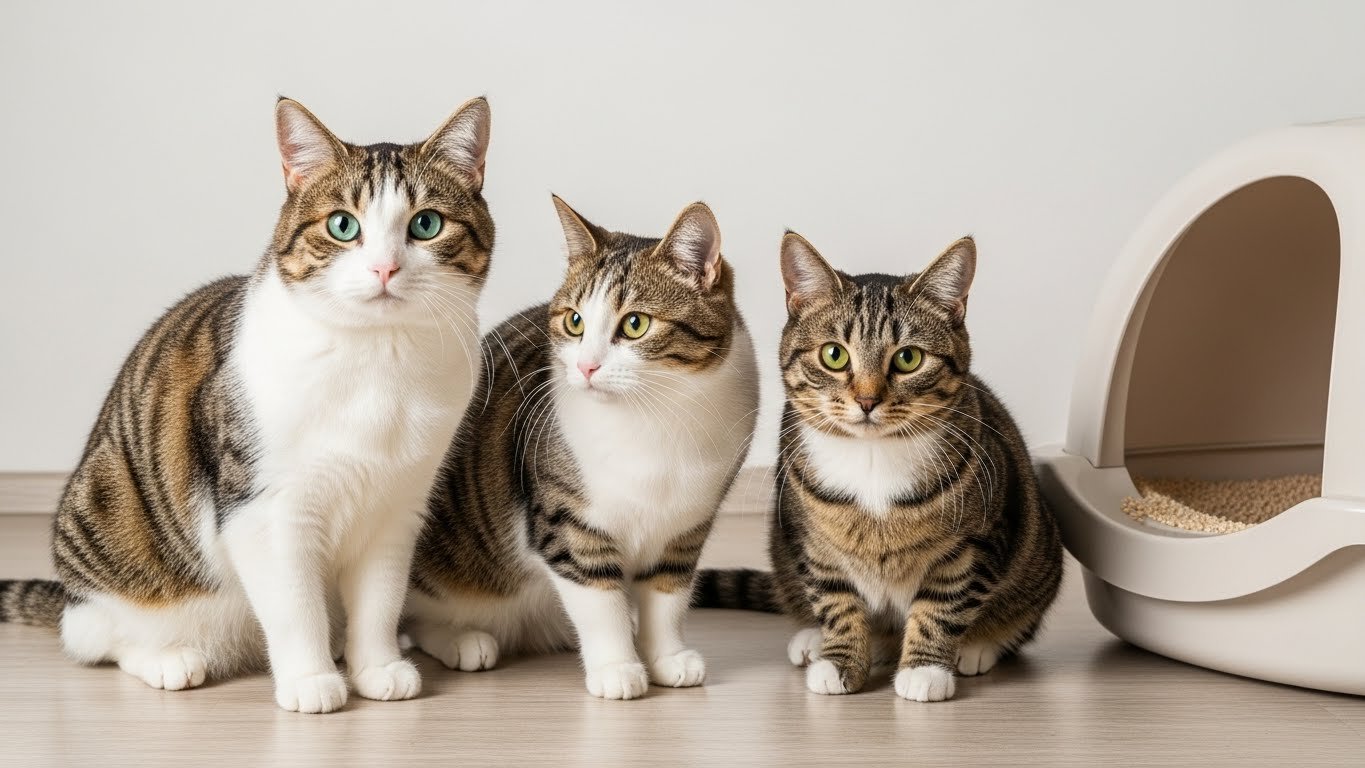
The cornerstone of success is the “n+1” guideline—one litter box per cat, plus an extra. For example, two cats need three boxes; three cats need four. This extra box acts as a backup, preventing waits or territorial blocks. Without it, cats may feel stressed and eliminate elsewhere.
| Number of Cats | Recommended Litter Boxes |
|---|---|
| 1 | 2 |
| 2 | 3 |
| 3 | 4 |
| 4 | 5 |
| 5+ | One per cat +1 |
This table illustrates the scalable approach, helping to avoid overcrowding and promote individual comfort.
Choosing the Right Litter Box
Not all boxes are created equal. Opt for large, open designs that allow cats to turn comfortably without feeling confined. Covered boxes can trap odors and make cats vulnerable to ambushes in multi-cat setups, so they’re often avoided. Self-cleaning options, like those with automatic scooping, can be ideal for busy households, as they maintain freshness and reduce manual work. Stainless steel boxes are durable and easy to clean, minimizing bacterial buildup.
For kittens or seniors, choose low-sided boxes for easy entry. Experiment if needed, but consistency is key—sudden changes can cause avoidance.
Selecting the Best Litter Type
Cats prefer fine-grained, unscented clumping litter that mimics sand. Options include clay, silica, or plant-based varieties. Avoid scented ones, as they can repel cats; instead, use baking soda for odor control. Fill to about 2 inches deep—too much can feel unstable, especially for long-haired cats.
| Litter Type | Pros | Cons | Best For |
|---|---|---|---|
| Clumping Clay | Easy scooping, odor control | Dusty, non-biodegradable | Most cats, multi-cat homes |
| Silica/Crystal | Low dust, absorbs well | Expensive, hard on paws | Odor-sensitive households |
| Plant-Based | Eco-friendly, flushable | May track more, less clumping | Environmentally conscious |
| Non-Clumping | Cheaper | Harder to clean, odors build | Budget setups (not ideal) |
This comparison helps match litter to your cats’ needs. For strays, start with soil or sand and transition gradually.
Optimal Placement Strategies
Location matters immensely. Place boxes in quiet, low-traffic areas with multiple escape routes to prevent ambushes. Keep them far from food, water, and noisy appliances. In multi-level homes, have at least one per floor. Spread them out to give each cat privacy, reducing stress from shared spaces.
If using closets or bathrooms, ensure doors stay open. For homes with dogs or kids, consider pet doors for cat-only access.
Effective Training Techniques
For kittens, place them in the box after meals, naps, or play, gently guiding their paws to dig. Supervise to prevent accidents and praise successful uses. For adults, confinement in a small room with the box can reinforce habits—expand access gradually after consistency. Never punish; it erodes trust. Use enzyme cleaners for accidents to remove scents that attract repeats.
In multi-cat scenarios, introduce new cats slowly with separate setups to avoid disrupting established routines.
Addressing Common Challenges
Issues like box avoidance often stem from dirtiness, stress, or health problems. Always check with a vet first for conditions like UTIs or arthritis. Territorial marking (spraying) may require spaying/neutering or behaviorists. Bullying? Create vertical spaces and separate zones. If an outcast emerges, rehoming might be compassionate.
For sudden changes, use pheromone diffusers like Feliway to calm tensions.
Maintenance and Cleaning Routines
Scoop daily—more often in multi-cat homes—to keep boxes inviting. Full changes: clay litter twice weekly, clumping every 2-3 weeks. Wash with mild soap monthly; avoid harsh chemicals. Tools like apps for self-cleaning boxes can track usage and alert to issues.
Health and Behavioral Considerations
Spay/neuter to curb marking behaviors. Monitor for signs of distress, like straining or blood in urine. Enrichment through play and separate feeding reduces overall stress, supporting litter habits.
Fostering Harmony Among Your Cats
Beyond litter, provide multiple resources: food stations, beds, and scratching posts. Gradual introductions and scent-swapping build bonds. A happy multi-cat home starts with respect for each cat’s space.
In conclusion, litter training in multi-cat households requires thoughtful planning, but the rewards—a clean, stress-free home—are worth it. Consult professionals if challenges persist.