- Research suggests starting with gentle paw handling and positive reinforcement, like treats, can help pets associate nail care with good experiences rather than fear.
- It seems likely that going at your pet’s pace, using desensitization techniques, reduces stress for both dogs and cats, though individual temperaments vary.
- Evidence leans toward using the right tools, such as grinders for sensitive pets, to avoid quick cuts and build trust over time.
- For controversial restraint methods, like wrapping cats, opinions differ—some experts advocate minimal force to prevent trauma, while others see it as necessary for safety in tough cases.
Understanding the Importance
Nail trimming prevents overgrown claws from causing pain or injury, but many pets find it stressful. By focusing on gradual training, you can turn it into a bonding activity. Always consult a vet if your pet shows extreme anxiety.
Basic Tools You’ll Need
Essential items include pet-safe clippers, grinders, styptic powder for accidents, and high-value treats. Opt for tools that match your pet’s size and nail type for safer results.
Quick Tips for Dogs
Begin young if possible, desensitize paws daily, and reward calm behavior. If your dog resists, consider alternatives like scratch boards.
Quick Tips for Cats
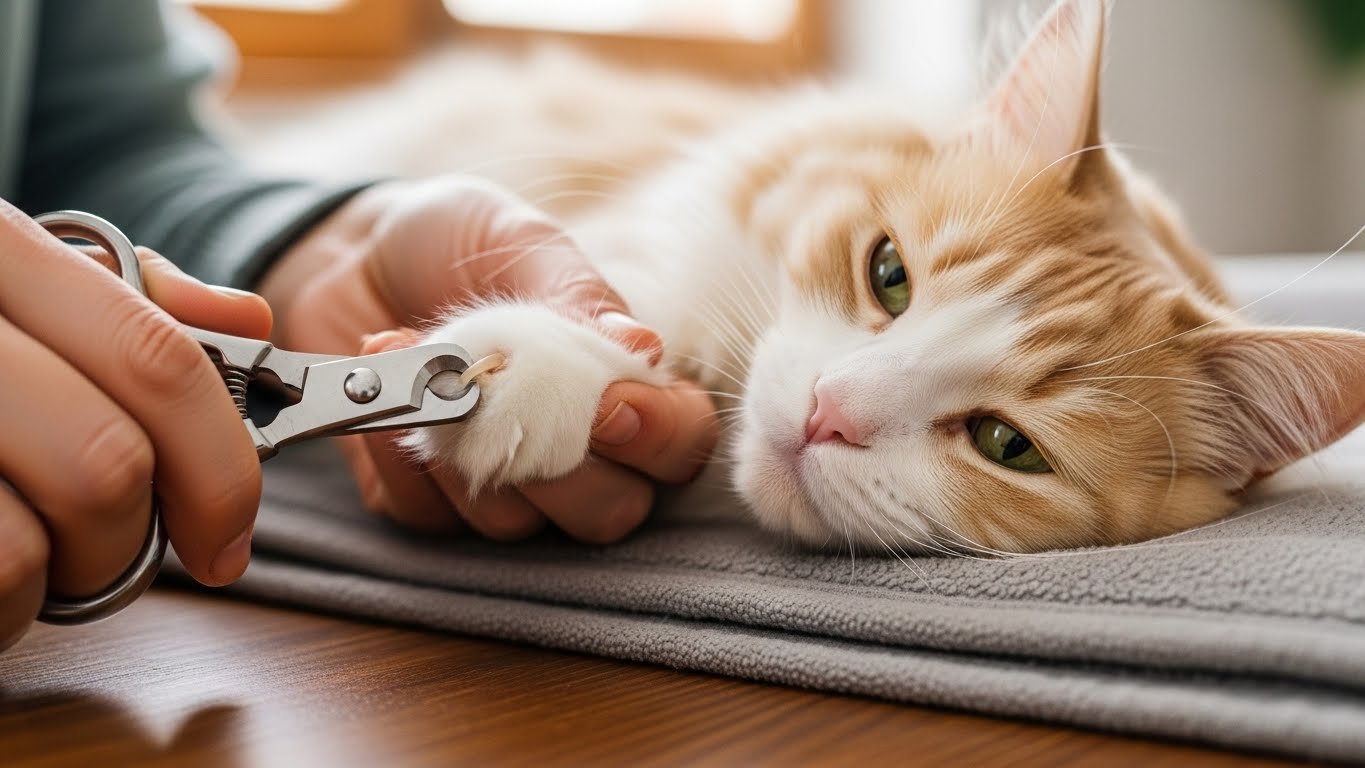
Use a relaxed setting, trim only tips, and employ treats after each nail. For wriggly cats, a gentle towel wrap might help, but prioritize positive associations.
Nail trimming is an essential part of pet grooming that often evokes dread in both owners and animals. Overgrown nails can lead to discomfort, altered gait, and even joint issues in dogs and cats. However, with patient training rooted in positive reinforcement, this routine can become a calm, cooperative experience. This comprehensive guide draws from veterinary insights and behavioral studies to help you implement stress-free nail trimming for your furry friends. We’ll cover preparation, step-by-step methods for dogs and cats, tool recommendations, common pitfalls, and advanced tips to ensure long-term success.
Why Stress-Free Training Matters
Traditional nail trimming often involves restraint, which can heighten anxiety and create negative associations. Studies on animal welfare, such as those from UC Davis, emphasize cooperative care where pets participate willingly, reducing cortisol levels and fostering trust. For dogs, unmanaged stress might lead to aggression or avoidance behaviors, while cats could become more reclusive or scratchy. By prioritizing desensitization—gradually exposing your pet to handling—you build resilience. Starting early, ideally as a puppy or kitten, yields the best results, but even adult pets can learn with consistency.
Essential Tools and Setup
Before diving in, gather the right equipment to minimize mishaps. For both dogs and cats:
- Clippers: Scissor-style for small pets or guillotine for thicker nails. Brands like Safari Professional are praised for precision.
- Grinders: Battery-powered tools like the Dremel 7300-PT gently file nails, ideal for pets fearful of clipping sounds.
- Styptic Powder: Essential for stopping bleeds if you nick the quick (e.g., Kwik Stop).
- Treats and Rewards: High-value options like cheese or freeze-dried liver to reinforce positive behavior.
- Scratch Boards (for Dogs): DIY or store-bought boards with sandpaper for self-filing.
- Towels (for Cats): For gentle wrapping if needed.
Set up in a quiet, well-lit room during your pet’s relaxed times—post-meal for cats or after a walk for dogs. Keep sessions short (5-10 minutes) to avoid overwhelm.
Here’s a comparison table of popular tools:
| Tool Type | Best For | Pros | Cons | Example Brand |
|---|---|---|---|---|
| Scissor Clippers | Small dogs/cats | Quick cuts, affordable | Risk of crushing nails | Millers Forge |
| Guillotine Clippers | Medium-large dogs | Easy to use on thick nails | Harder to see quick | Resco Original |
| Nail Grinder | Fearful pets | Smooth finish, less pressure | Noisy, takes longer | Dremel Pet Kit |
| Scratch Board | Dogs avoiding handling | Pet-initiated, fun | Front nails only | DIY with sandpaper |
Step-by-Step Training for Dogs
Conditioning dogs requires empathy, as stress signals like yawning or paw withdrawal indicate discomfort. Follow these phased steps, advancing only when your dog is comfortable.
- Paw Desensitization (1-2 Weeks): Touch paws daily during calm moments, like TV time. Reward with treats for tolerance. Gradually hold each paw for 5-10 seconds.
- Introduce Tools (3-5 Days): Let your dog sniff clippers or grinders. Tap nails gently without cutting, pairing with praise. Use a marker word like “yes” for rewards.
- Mock Trims (Ongoing): Simulate trimming by pressing on toes to extend nails, then release with a treat. Trim one nail per session initially.
- Actual Trimming: Cut small amounts above the quick—use a penlight for dark nails. Stop at signs of stress and end positively.
- Maintenance: Trim every 1-2 weeks. Incorporate scratch boards: Place on the ground, reward scratching to file nails naturally.
For resistant dogs, switch tools if past experiences were negative, and consider professional help if progress stalls.
Step-by-Step Training for Cats
Cats are more independent, so focus on choice-based methods to avoid eroding trust. A recent study highlights mat training for voluntary participation.
- Paw Familiarization (Daily for 1 Week): Massage paws briefly (3 seconds), extend one nail, then treat. Repeat on different toes.
- Clipper Acclimation: Clip uncooked spaghetti near the cat to mimic the sound, rewarding curiosity.
- Trial Trims: On your lap, trim one nail’s tip (white part only), release, and treat. Limit to 1-2 nails per session initially.
- Full Sessions: Work up to all front claws every 10-14 days. Use a towel wrap (burrito method) for squirmy cats: Gently swaddle, exposing one paw at a time.
- Cooperative Care: Use a mat for opt-in sessions—reward only when the cat engages, stopping if they withdraw.
Common Mistakes and How to Avoid Them
- Rushing the Process: Forcing full trims early can cause setbacks. Solution: Break into micro-steps, like just touching one paw.
- Ignoring Body Language: Missing stress cues leads to bites or scratches. Solution: Learn signs like flattened ears (cats) or lip licking (dogs).
- Cutting the Quick: This painful error erodes trust. Solution: Trim conservatively and have styptic ready.
- Inconsistent Rewards: Pets need clear positives. Solution: Use high-value treats every time.
- One-Person Overload: For cats, enlist help initially. Solution: Practice solo once comfortable.
A troubleshooting table:
| Issue | Possible Cause | Solution | Prevention Tip |
|---|---|---|---|
| Pet Pulls Away | Fear of Tools | Desensitize with treats | Start with no tools, just touch |
| Bleeding Quick | Over-Cutting | Apply styptic, stop session | Use light to spot quick |
| Aggression | Past Trauma | Pause and consult vet | Build trust slowly |
| No Progress | Inconsistency | Schedule daily practice | Track sessions in a journal |
Advanced Tips for Long-Term Success
Incorporate fun elements, like pairing trims with play. For multi-pet homes, train individually to avoid distractions. If your pet has dark nails, regular vet checks ensure accuracy. Behavioral experts recommend integrating nail care into broader grooming routines for holistic well-being. For eco-conscious owners, opt for rechargeable grinders to reduce waste.
Ultimately, patience transforms nail trimming from a chore into a trust-building ritual. If challenges persist, seek professional grooming or behavioral training to tailor approaches to your pet’s needs.