
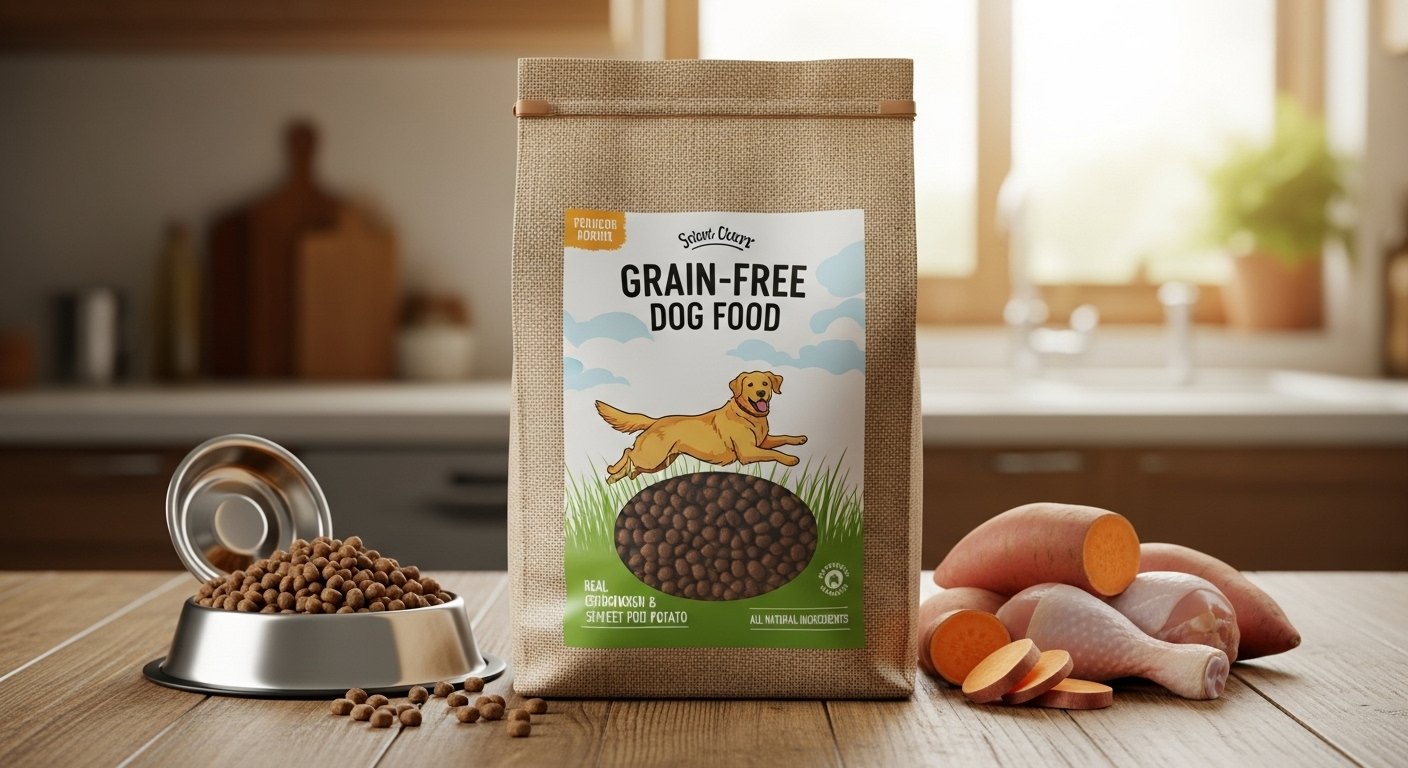
Creating homemade grain-free dog food can be a cost-effective way to provide nutritious meals for your pup, especially if they have sensitivities to grains. Research suggests that while grain-free diets may help with digestion and allergies for some dogs, they carry potential risks like heart disease links, so consulting a vet is essential. These recipes use everyday kitchen items like meats, veggies, and eggs to keep things simple and affordable.
Key Points
- Potential Benefits: Grain-free options might improve digestion, reduce allergy symptoms, and support better blood sugar control, though evidence varies by dog.
- Known Risks: Studies indicate a possible association with dilated cardiomyopathy (DCM), particularly in diets high in legumes; stick to balanced, vet-approved recipes.
- Affordability Tip: Using staples like ground meat (around $3-5/lb) and veggies (under $2/lb) can cut costs compared to premium kibble, potentially saving 20-50% on feeding.
- Safety First: Always ensure recipes meet AAFCO guidelines for complete nutrition; supplement with taurine or consult a professional if feeding exclusively homemade.
Why Go Grain-Free?
Grain-free diets avoid wheat, corn, rice, and similar ingredients, often replacing them with veggies like sweet potatoes for carbs. This can suit dogs with gluten sensitivities, but it’s not necessary for all. Evidence leans toward benefits for sensitive tummies, yet the FDA notes ongoing investigations into heart health concerns.
Essential Kitchen Staples for Dogs
Focus on dog-safe items: Lean proteins (chicken, turkey, beef), veggies (carrots, spinach, zucchini, sweet potatoes), and extras like eggs. Avoid toxic foods like onions, garlic, grapes, or chocolate.
Quick Recipes Overview
Here are three easy recipes, each serving a 20-40 lb dog for about 2-3 days (adjust portions by weight/activity). Prep time: 30-45 mins. Cost: $10-15 per batch.
Recipe 1: Turkey Veggie Mash
Ingredients: 1 lb ground turkey, 2 sweet potatoes, 2 carrots, 1 cup spinach, 1 egg.
Steps: Cook turkey, boil/mash veggies, mix with beaten egg.
Recipe 2: Beef Pumpkin Blend
Ingredients: 1 lb ground beef, 1 can pumpkin puree, 1 zucchini, 1 cup broccoli.
Steps: Brown beef, steam veggies, combine with pumpkin.
Recipe 3: Chicken Sweet Potato Stew
Ingredients: 1 lb chicken, 2 sweet potatoes, 1 cup green beans, 1 apple (no seeds).
Steps: Boil chicken, mash sweet potatoes, chop and mix all.
For visuals, imagine colorful bowls of fresh mixes—your dog will love the variety!
Creating affordable, grain-free dog food at home using everyday kitchen staples is an increasingly popular choice among pet owners seeking to provide wholesome nutrition without breaking the bank. With rising costs of commercial pet foods—often exceeding $50 for a large bag—homemade options can reduce expenses by utilizing inexpensive proteins like ground turkey or chicken (typically $3-5 per pound) and vegetables such as carrots or sweet potatoes (under $2 per pound). This approach not only saves money but also allows customization for dogs with specific needs, like those with grain sensitivities. However, it’s crucial to approach this with care: while grain-free diets may offer digestive benefits and allergy relief for some dogs, emerging research highlights potential risks, including links to heart conditions. In this comprehensive guide, we’ll explore the science behind grain-free feeding, safe staples, detailed recipes, nutritional considerations, and practical tips to make your homemade dog food journey successful and Pinterest-worthy.
Understanding Grain-Free Diets for Dogs
Grain-free dog food eliminates grains like wheat, corn, rice, barley, and oats, which are common fillers in traditional kibble. Instead, these diets rely on alternative carbohydrate sources such as sweet potatoes, potatoes, or legumes (though the latter should be used sparingly due to health concerns). According to veterinary sources, dogs are omnivores with carnivorous leanings, meaning they thrive on meat-heavy diets but can digest plant-based carbs effectively. The trend gained traction in the 2010s as pet owners sought “natural” options mimicking ancestral wolf diets, but it’s not universally superior.
Benefits of Grain-Free Diets
Research suggests several potential advantages, particularly for certain dogs:
- Improved Digestion: Grains can be hard to digest for some pups, leading to bloating or irregularities. Switching to grain-free options with high-fiber veggies like sweet potatoes may alleviate these issues, promoting happier guts and easier cleanups.
- Allergy Management: Though grains aren’t the most common allergen (proteins like beef or dairy often are), gluten-sensitive dogs may benefit. Anecdotal evidence from pet owners and studies in journals like the Journal of Animal Physiology and Animal Nutrition indicate reduced skin irritations and itching.
- Blood Sugar Control: Grain-free foods often have lower glycemic indexes, helping stabilize energy levels and potentially reducing risks for conditions like diabetes, as noted in reviews from PMC articles.
- Palatability and Weight Management: Higher protein content (from meats) and fewer processed carbs can enhance taste and support lean muscle, making it appealing for picky eaters or overweight dogs.
- Reduced Mycotoxin Exposure: Grains can harbor mold toxins; avoiding them minimizes this risk, per expert analyses.
However, these benefits aren’t guaranteed for every dog—most thrive on grain-inclusive diets, and whole grains provide valuable nutrients like fiber and vitamins.
Risks and Controversies
The grain-free debate isn’t without controversy. The FDA’s 2018-2019 investigation into over 500 cases of dilated cardiomyopathy (DCM)—a serious heart condition—found that 90% of affected dogs were on grain-free diets, with 93% containing peas or lentils. While a direct causal link isn’t proven, reports from the ASPCA and PetMD show that switching back to grain-inclusive foods often improved symptoms, especially with taurine supplementation. DCM is more common in breeds like Golden Retrievers but has appeared in others on legume-heavy grain-free foods.
Experts emphasize balance: Grain-free isn’t inherently bad, but poor formulations lacking taurine (an amino acid crucial for heart health) can be problematic. The ASPCA advises monitoring for signs like lethargy or coughing and consulting a vet. For homemade versions, avoid over-relying on peas, lentils, or potatoes as substitutes, and consider adding taurine-rich ingredients like sardines.
In summary, grain-free can be suitable if tailored, but it’s wise to view it as one option among many. Always prioritize AAFCO-compliant nutrition, which ensures complete and balanced meals meeting standards for protein (18-22% for adults), fats, vitamins, and minerals.
Safe Kitchen Staples for Grain-Free Dog Food
Building recipes around dog-safe staples ensures affordability and safety. Focus on human-grade ingredients you likely have on hand, but remember portion control—homemade food should comprise no more than 10-20% of a dog’s diet initially to avoid imbalances. From AKC and veterinary guidelines, here’s a breakdown:
| Category | Safe Staples (Grain-Free) | Benefits | Unsafe/Avoid | Why Avoid |
|---|---|---|---|---|
| Proteins | Ground turkey, chicken, beef; eggs; canned sardines (in water) | High in amino acids like taurine; supports muscle and energy. | Raw meat (risk of bacteria); processed meats (high salt). | Can cause salmonella or digestive upset. |
| Vegetables | Sweet potatoes, carrots, zucchini, spinach, broccoli, green beans, pumpkin puree. | Provide fiber, vitamins (A, C, K), and low-cal carbs; aid digestion. | Onions, garlic, avocados. | Toxic; can damage red blood cells or cause vomiting. |
| Fruits | Apples (no seeds), blueberries (in moderation). | Antioxidants for skin health; natural sweetness. | Grapes, raisins. | Kidney failure risk. |
| Extras | Olive or coconut oil (small amounts); bone broth (low-sodium). | Healthy fats for coat shine; hydration boost. | Chocolate, xylitol (sugar-free gum). | Poisonous; causes seizures or liver damage. |
| Supplements | Kelp (for iodine), ground ginger (digestion aid), hemp seeds (omega-3s). | Fill nutrient gaps; consult vet for dosages. | Human vitamins (without vet advice). | Overdosing risks, e.g., vitamin A toxicity. |
These staples cost little—e.g., a batch using 1 lb meat and veggies might total $5-8, yielding multiple servings. Always introduce new foods gradually to monitor for allergies.
Detailed Recipes: Step-by-Step Guides
Here are five vet-inspired, grain-free recipes adapted from sources like Allrecipes, Stellanspice, and Clean & Delicious. Each is balanced for occasional feeding but should be vetted for full-time use. Yields: 4-6 cups (feed 1-2 cups daily per 20-40 lb dog, split into meals). Prep: 30-45 mins. Store in fridge (3-5 days) or freeze (up to 3 months).
1. Turkey Veggie Mash (Budget: ~$6)
This simple mash uses ground turkey for protein and sweet potatoes for carbs, inspired by 30-minute stovetop recipes.
- Ingredients (serves medium dog 2-3 days): 1 lb ground turkey, 2 medium sweet potatoes (diced), 2 carrots (shredded), 1 cup spinach (chopped), 1 egg, 1 tsp olive oil, pinch of kelp.
- Steps:
- Boil sweet potatoes and carrots until soft (15 mins); mash lightly.
- In a pan, heat oil and cook turkey until browned (10 mins).
- Mix in veggies, beaten egg, spinach, and kelp; cook 5 mins more.
- Cool and serve.
- Nutrition Notes: ~30% protein, vitamins from veggies; add sardines for taurine if needed.
2. Beef Pumpkin Blend (Budget: ~$7)
Adapted from balanced homemade guides, this uses pumpkin for fiber—great for digestion.
- Ingredients: 1 lb ground beef, 1 can (15 oz) pure pumpkin, 1 zucchini (shredded), 1 cup broccoli (chopped), 1/2 tsp ground ginger.
- Steps:
- Brown beef in a pot (10 mins); drain excess fat.
- Steam zucchini and broccoli (5-7 mins).
- Stir in pumpkin, veggies, and ginger; simmer 10 mins.
- Let cool before portioning.
- Nutrition Notes: High in beta-carotene; pumpkin aids gut health. Monitor for DCM risks by varying proteins.
3. Chicken Sweet Potato Stew (Budget: ~$5)
From YouTube vet-approved ideas, this stew is hydrating and easy.
- Ingredients: 1 lb chicken thighs (boneless), 2 sweet potatoes (cubed), 1 cup green beans (chopped), 1 apple (diced, no seeds), 1 cup low-sodium bone broth.
- Steps:
- Boil chicken in broth until cooked (20 mins); shred.
- Add sweet potatoes and green beans; simmer until tender (15 mins).
- Mix in apple for natural sweetness.
- Puree slightly if your dog prefers mushy texture.
- Nutrition Notes: Omega-rich from chicken; apples add antioxidants.
4. Egg and Veggie Scramble (Budget: ~$4, Vegetarian Option)
For lighter days, inspired by limited-ingredient formulas.
- Ingredients: 4 eggs, 1 sweet potato (mashed), 1 cup spinach, 1 carrot (grated), 1 tsp hemp seeds.
- Steps:
- Scramble eggs in a non-stick pan (5 mins).
- Boil and mash sweet potato; mix with raw grated carrot and spinach.
- Combine all, top with hemp seeds.
- Nutrition Notes: Egg protein boost; ideal topper for kibble.
5. Sardine Surprise Mix (Budget: ~$6)
Taurine-packed for heart health, from raw-inspired recipes.
- Ingredients: 2 cans sardines (in water, drained), 1 lb ground turkey, 1 zucchini, 1/2 cup blueberries, pinch kelp.
- Steps:
- Cook turkey (10 mins).
- Blend sardines, shredded zucchini, and blueberries.
- Mix with turkey and kelp.
- Serve fresh or freeze in portions.
- Nutrition Notes: Addresses DCM concerns with natural taurine.
Nutritional Balance and Customization
Homemade food risks deficiencies in calcium, vitamins, or taurine. Use tools like BalanceIT (vet software) for recipes. Daily needs: 25-30 calories/lb body weight; e.g., 500-1000 calories for a 30 lb dog. Track with a table:
| Dog Size (lbs) | Daily Calories | Protein (g) | Fat (g) | Carbs (g) |
|---|---|---|---|---|
| 10-20 | 400-700 | 20-35 | 10-20 | 30-50 |
| 20-40 | 700-1200 | 35-60 | 20-35 | 50-80 |
| 40-60 | 1200-1600 | 60-80 | 35-50 | 80-110 |
Adjust for age/activity; puppies need more protein.
Practical Tips for Success
- Batch Cooking: Prep weekly, portion into containers—saves time.
- Storage: Fridge 3-5 days; freeze in ice cube trays for easy thawing.
- Transitioning: Mix 25% homemade with kibble initially; watch for diarrhea.
- Cost-Saving Hacks: Buy in bulk, use leftovers (dog-safe), or grow veggies.
- Vet Check-Ins: Annual bloodwork to monitor health; add supplements like fish oil.
- Pinterest Appeal: Photograph vibrant bowls against wooden backgrounds; pin with titles like “Easy DIY Dog Food Under $10!”
By using these staples and recipes, you’re giving your dog love in every bite. Remember, this isn’t a substitute for professional advice—tailor to your pup’s needs for optimal health.
Key Citations
- ASPCA on Grain-Free Diets
- PetMD: Are Grain-Free Diets Bad for Dogs?
- PMC Review on Grain-Free Diets
- Allrecipes Homemade Dog Food
- Stellanspice Balanced Homemade Dog Food
- Clean & Delicious 30-Minute Homemade Dog Food
- AKC People Foods for Dogs
- Purina on Grain vs. Grain-Free
- Beco Pets Benefits of Grain-Free
- Dog Food Advisor Best Grain-Free Foods