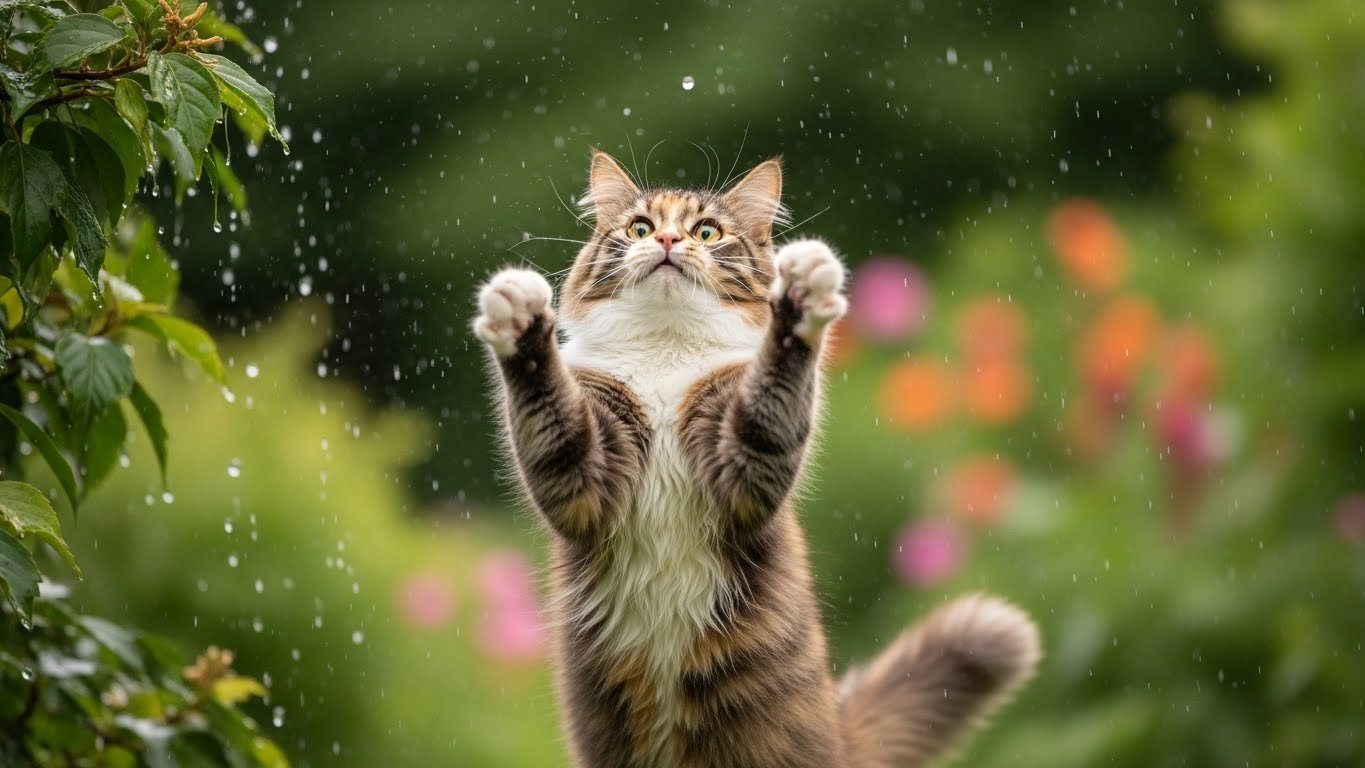
Rainy days can limit outdoor adventures for your feline friend, but they offer a perfect opportunity for indoor training and enrichment. Research suggests that engaging cats in mental and physical activities indoors can reduce boredom, stress, and unwanted behaviors like scratching furniture. It seems likely that incorporating play that mimics natural hunting instincts will keep your cat happy and healthy, though individual preferences vary by age and personality.
Key Points
- Indoor Agility Courses: Use household items to create obstacle courses that encourage jumping and climbing, promoting physical fitness.
- DIY Puzzle Toys: Homemade feeders challenge your cat’s problem-solving skills, slowing down meals and providing mental stimulation.
- Clicker Training Tricks: Teach simple commands like sit or high-five using positive reinforcement, building a stronger bond.
- Hide and Seek Games: Hide treats or toys to tap into your cat’s natural foraging instincts, keeping them active without much space.
- Interactive Play Sessions: Tools like feather wands or lasers simulate prey, offering quick bursts of energy release.
- Window Watching or Cat TV: Set up perches for bird-watching or play wildlife videos to engage their curiosity safely.
- Grooming and Massage: Gentle sessions can be rewarding, helping with relaxation and trust-building.
Why Indoor Training Matters
On rainy days, cats may become restless without stimulation, leading to potential issues like overeating or lethargy. Evidence leans toward regular enrichment improving overall well-being, with activities tailored to your cat’s energy level yielding the best results.
Getting Started
Begin with short sessions to avoid overwhelming your cat, using treats as rewards. Always observe their responses and adjust accordingly, as not all cats enjoy the same games.
When the rain is pouring outside, it’s easy for both you and your cat to feel cooped up. But these gloomy days are an ideal time to turn your home into a playground of learning and fun for your furry companion. Indoor cat training not only keeps them physically active but also stimulates their sharp minds, helping prevent boredom-induced mischief like knocking over plants or excessive meowing. Drawing from veterinary insights and pet expert recommendations, this detailed guide explores a variety of engaging activities, complete with step-by-step instructions, tips, and DIY ideas. Whether you have a playful kitten or a laid-back senior cat, these ideas can be adapted to suit their needs. Plus, incorporating positive reinforcement techniques, such as clicker training, can make the process rewarding for both of you.
Understanding Your Cat’s Needs on Rainy Days
Cats are natural hunters, and rainy weather often means they’re stuck indoors without their usual outlets for exploration. According to animal behaviorists, enrichment activities that mimic hunting, climbing, and problem-solving can significantly reduce stress and promote health. For instance, interactive play helps burn energy, while puzzles encourage foraging behaviors that cats would exhibit in the wild. Start by assessing your cat’s personality—high-energy cats might love agility, while food-motivated ones thrive on puzzles. Always use safe, non-toxic materials, and supervise play to prevent accidents.
1. Build an Indoor Agility Course
Transform your living room into a mini gym with an agility course, using items like chairs, boxes, and blankets. This activity boosts physical fitness and confidence, as cats navigate obstacles that encourage jumping, weaving, and balancing.
How to Set It Up:
- Gather materials: Cardboard boxes, tunnels (made from paper bags or blankets draped over furniture), cushions for hurdles, and toys as rewards.
- Arrange in a sequence: Start simple with a tunnel leading to a low jump, then add weaves using plastic cups.
- Guide your cat: Use a feather wand or treat to lure them through, praising each success.
- Tips: Rotate the setup weekly to keep it novel; for multi-cat homes, this reduces territorial disputes by providing vertical space. Begin with 5-10 minute sessions to avoid fatigue.
2. Create DIY Puzzle Toys for Mental Stimulation
Puzzle toys turn mealtime into a game, slowing down fast eaters and engaging their brains. Homemade versions are budget-friendly and customizable, using recycled items to hide treats or kibble.
Easy DIY Ideas:
- Toilet Paper Roll Puzzle: Cut holes in empty rolls, fill with treats, and seal ends loosely. Cats paw or roll to release food.
- Egg Carton Feeder: Place kibble in each cup of an egg carton; for added challenge, cover some with tissue paper.
- Cardboard Box Maze: Poke holes in a box, add obstacles like crumpled paper, and scatter treats inside.
- Plastic Bottle Dispenser: Cut small holes in a clean bottle, fill with dry food, and let your cat bat it around.
Benefits and Tips: These puzzles mimic foraging, helping with weight management and reducing anxiety. Start easy to build confidence, and use portion control to avoid overfeeding. Clean materials thoroughly to prevent bacteria.
| Activity | Materials Needed | Difficulty Level | Estimated Time to Make | Benefits |
|---|---|---|---|---|
| Toilet Paper Roll Puzzle | Empty TP rolls, scissors, treats | Easy | 5 minutes | Encourages pawing and rolling for mental engagement |
| Egg Carton Feeder | Egg carton, tissue paper, kibble | Easy | 2 minutes | Slows eating, promotes problem-solving |
| Cardboard Box Maze | Cardboard box, knife, paper | Medium | 10 minutes | Builds exploration skills, reduces boredom |
| Plastic Bottle Dispenser | Plastic bottle, knife, dry food | Medium | 7 minutes | Provides physical activity through batting |
3. Master Clicker Training for Tricks
Clicker training uses a small device to mark desired behaviors, followed by treats, making it an effective, positive method for teaching tricks indoors. It’s great for rainy days as it requires minimal space and strengthens your bond.
Tricks to Try:
- Sit: Hover a treat over their head until they sit, click, and reward. Add the verbal cue gradually.
- High Five: Hold out your hand; when they touch it with their paw, click and treat.
- Spin: Lure with a treat in a circle, click at completion.
- Lay Down: From sit, lower the treat to the floor until they lie down.
- Come When Called: Call their name, click when they approach, and reward.
Step-by-Step Guide: Charge the clicker first by clicking and treating repeatedly without commands. Keep sessions short (5-10 minutes), and use high-value treats. For advanced tricks like “play dead,” capture natural behaviors like rolling over.
4. Play Hide and Seek or Treasure Hunts
These games tap into your cat’s predatory instincts, hiding treats or toys around the house for them to find.
How to Play:
- Hide small treats in easy spots first, like under a blanket or behind furniture.
- Call your cat and encourage sniffing; praise discoveries.
- For hide and seek, have a partner hold the cat while you hide, then call them.
- Tips: Use scent games with catnip for extra fun; avoid hard-to-reach places to prevent frustration.
5. Interactive Play and Window Watching
Short play sessions with wands or lasers keep cats moving, while window perches offer passive entertainment.
Ideas:
- Wave a feather wand to mimic birds, allowing “catches” to satisfy hunts.
- Set up a window perch for bird-watching; on rainy days, raindrops add visual interest.
- Play “Cat TV” videos of wildlife on a screen.
- Tips: Rotate toys to maintain interest; combine with grooming for relaxation.
Additional Tips for Success
- Safety First: Ensure all materials are cat-safe; avoid strings that could be swallowed.
- Customization: Older cats may prefer gentle massages or simple puzzles, while kittens thrive on high-energy games.
- Consistency: Daily short sessions build habits; track progress to see improvements in behavior.
- When to Seek Help: If your cat shows signs of stress, consult a vet for tailored advice.
Rainy days don’t have to be dull—with these ideas, you’ll create memorable bonding moments while keeping your cat engaged and content.