- Most dog aggression stems from fear, pain, or lack of socialization rather than dominance, and gentle, positive methods are often effective in reducing it without causing further stress.
- It seems likely that early intervention with techniques like desensitization and counterconditioning can help many dogs, though outcomes vary based on the individual dog’s history and triggers.
- Evidence leans toward avoiding punishment entirely, as it may worsen aggression; instead, focus on building trust through rewards and professional guidance to address all perspectives on the issue empathetically.
Understanding Dog Aggression
Dog aggression isn’t about being “bad”—it’s often a response to fear, pain, or confusion. Common types include fear-based (when a dog feels trapped), territorial (guarding home or items), and leash reactivity (pulling or barking on walks). Signs start subtle, like freezing or lip licking, and can escalate to growling or snapping. Always check with a vet first to rule out medical issues.
Top Gentle Techniques
Use positive reinforcement to reward calm behavior with treats or praise. For example, gradually expose your dog to triggers at a safe distance (desensitization) while pairing it with good things like food (counterconditioning). Consistency is key, and these methods help rebuild confidence without force.
Prevention Tips
Socialize puppies early to new people, places, and animals positively. Provide regular exercise, mental stimulation, and a stable routine to reduce stress. If issues arise, seek a certified trainer or behaviorist early to prevent escalation.
Dealing with aggression in dogs can feel overwhelming, but with patience and the right approach, many pet parents see real improvements. This detailed guide explores gentle techniques grounded in positive reinforcement, drawing from expert insights to help you create a calmer, happier life with your furry friend. We’ll cover everything from root causes to step-by-step strategies, including practical tips and visuals to make it easier to apply at home.
Introduction: Why Gentle Techniques Matter
Aggression in dogs is one of the most common behavior issues, often leading families to seek help from vets or trainers. But contrary to old myths about “alpha” dominance, modern understanding shows aggression is usually a sign of underlying stress, fear, or unmet needs. Harsh methods like yelling or physical corrections can backfire, suppressing warnings and making bites more unpredictable. Instead, gentle techniques focus on building trust, using rewards to encourage better choices. These approaches, supported by organizations like the ASPCA and AKC, prioritize your dog’s emotional well-being while keeping everyone safe. Remember, success takes time—sometimes weeks or months—and professional help is often essential for tailored plans.
Recognizing the Signs of Aggression
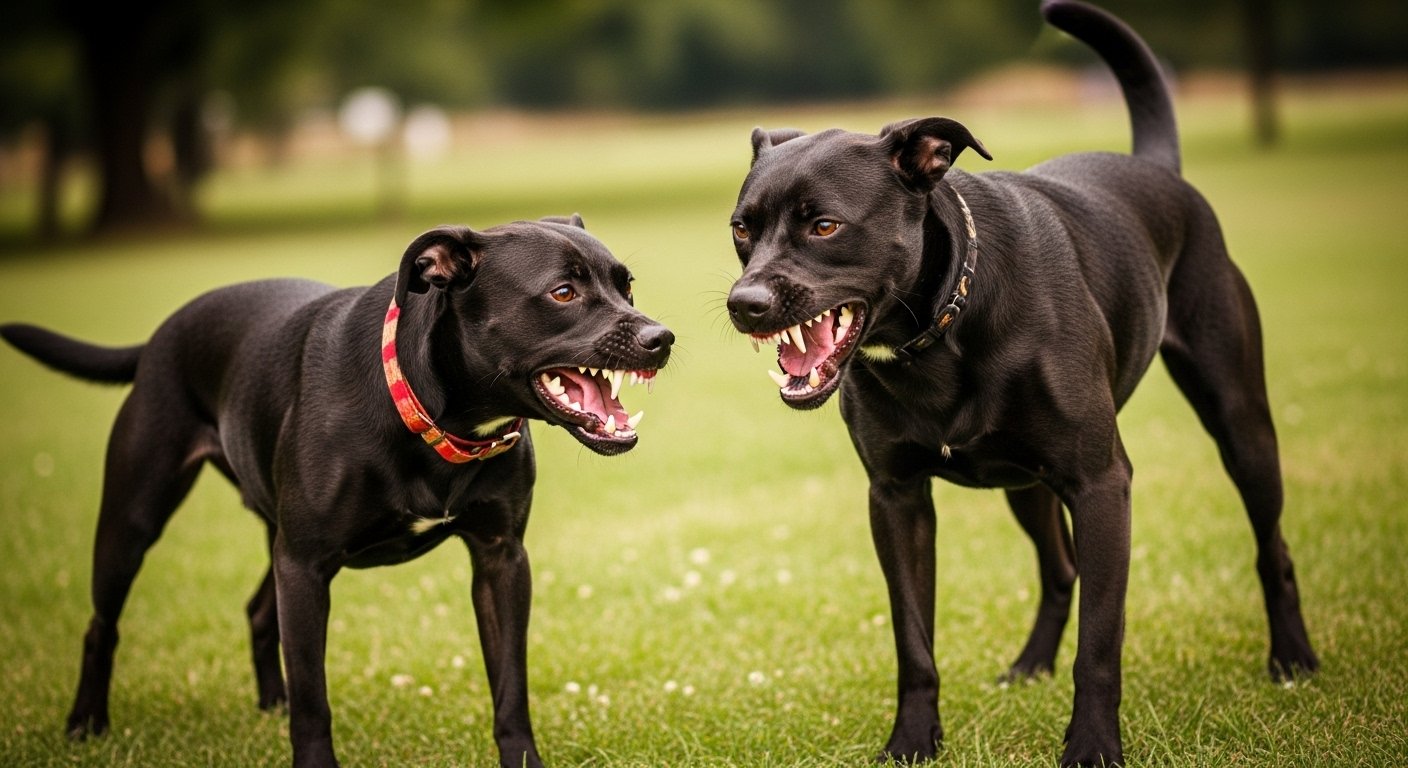
Before addressing aggression, it’s crucial to spot early warnings. Dogs communicate through body language, and missing these can lead to escalation. Subtle signs include yawning when not tired, lip licking, freezing in place, or a hard stare. More obvious ones are growling, baring teeth, lunging, or snapping. Bites range from quick nips to serious injuries, but most dogs give warnings first. If your dog shows these around specific triggers—like strangers, other dogs, or food—note the context: who, what, where, and when. This helps identify patterns and choose the right interventions.
Common Causes of Aggression in Dogs
Aggression doesn’t happen in a vacuum; it’s influenced by genetics, environment, and experiences. Key causes include:
- Fear or Anxiety: The most common trigger, where dogs lash out when they feel threatened and can’t escape.
- Pain or Medical Issues: Conditions like arthritis, thyroid problems, or injuries can make even sweet dogs reactive.
- Lack of Socialization: Puppies not exposed positively to new things may view them as threats later.
- Resource Guarding: Protecting food, toys, or spaces due to perceived scarcity.
- Frustration: Such as leash pulling when aroused by sights or sounds.
- Territorial Instincts: Guarding home from “intruders” like delivery people.
- Trauma or Poor Breeding: Past abuse or genetics from fearful parents can play a role.
Hormones in intact dogs or changes like a new baby can also contribute. Always start with a vet checkup to rule out health problems—sudden aggression might signal pain or neurological issues.
Types of Dog Aggression and Tailored Gentle Approaches
Dogs exhibit aggression in various forms, each requiring specific strategies. Here’s a comprehensive table summarizing types, signs, causes, and gentle techniques based on expert recommendations. This can serve as a quick reference for pet parents.
| Type of Aggression | Common Signs | Primary Causes | Gentle Techniques |
|---|---|---|---|
| Fear Aggression | Freezing, retreating, rapid nips to escape | Trapped feeling, past trauma, poor socialization | Desensitization: Gradually expose to triggers at low intensity with treats; counterconditioning to associate fears with positives. Avoid forcing interactions. |
| Territorial Aggression | Barking, charging at “intruders” like strangers or animals near home | Instinct to protect space, lack of boundaries | Management: Use baby gates or crates for safe spaces; train “place” command with rewards. Socialize slowly to visitors with positive associations. |
| Possessive (Resource Guarding) | Growling when approached near food/toys | Perceived scarcity, survival instincts | Trade-up games: Offer higher-value treats to “trade” items voluntarily; teach “drop it” with praise. Never take items by force. |
| Leash/Barrier Aggression | Lunging, barking behind fences or on leashes | Frustration from restraint, arousal | Parallel walking: Walk at a distance from triggers, rewarding calm; use head halters gently if needed, but prioritize loose-leash training with clicks and treats. |
| Protective Aggression | Defending family members or vulnerable ones | Pack instincts, perceived threats | Controlled exposures: Introduce “threats” gradually with rewards for calm; obedience training like “sit-stay” to build confidence. |
| Pain-Elicited Aggression | Snapping when touched in certain areas | Injuries, infections, chronic conditions | Vet-prescribed pain management; gentle handling exercises starting with non-painful areas, using treats to build tolerance. |
| Redirected Aggression | Biting nearby person/dog when aroused by unreachable target | Built-up frustration | Prevention: Interrupt arousal early with commands; provide outlets like puzzle toys to reduce overall stress. |
| Social (Status-Related) Aggression | Growling over handling, grooming, or commands | Hierarchy perceptions, anxiety | Positive reinforcement leadership: Reward compliance without confrontation; avoid alpha rolls—focus on trust-building activities like cooperative games. |
| Predatory Aggression | Chasing/grabbing fast-moving objects without warning | Hunting instincts | Redirection: Teach “leave it” with toys; provide chase games with appropriate items like flirt poles to satisfy drives safely. |
| Sex-Related Aggression | Challenges between intact dogs | Hormones | Spay/neuter if appropriate; supervised interactions and separation during heats. |
This table draws from classifications by the ASPCA and PetMD, emphasizing that types can overlap. Always customize based on your dog’s unique situation.
Step-by-Step Gentle Techniques to Stop Aggression
Here’s where the real work begins. These evidence-based methods from sources like the AKC and The Spruce Pets rely on positive reinforcement—rewarding what you want more of—rather than punishment. Start slow, in a calm environment, and track progress in a journal.
- Positive Reinforcement Basics: Reward calm behavior with high-value treats, praise, or play. For instance, if your dog stays relaxed when a trigger appears, mark it with a “yes!” or clicker and treat immediately. This builds new associations over time.
- Desensitization and Counterconditioning (DS/CC): Gradually introduce triggers at a level your dog can handle without reacting. For fear of strangers: Start 50 feet away, feed treats continuously while the person is visible, then stop when they leave. Slowly decrease distance over sessions. This changes emotional responses from fear to anticipation of good things.
- Management Strategies: Prevent rehearsals of bad behavior. Use leashes, muzzles (introduced positively), or separate rooms during triggers. For resource guarding, feed in crates and avoid disturbances.
- Obedience Training: Teach commands like “sit,” “stay,” and “leave it” using rewards. This gives your dog alternative behaviors and boosts confidence. Apps or online courses from certified trainers can guide you.
- Exercise and Enrichment: Daily walks, puzzle toys, and mental games reduce pent-up energy that fuels aggression. Breeds like Border Collies need more; even small dogs benefit from 30-60 minutes of activity.
- Avoiding Common Mistakes: Never use shock collars, prong collars, or dominance tactics—they can increase fear and aggression. If progress stalls, medications like anti-anxiety drugs may help under vet supervision.
Prevention: Building a Foundation for a Non-Aggressive Dog
The best “cure” is prevention. Start in puppyhood (first 3 months) with socialization: Expose to diverse people, sounds, and environments positively. Continue training throughout life. Ensure good health with regular vet visits, a balanced diet, and prompt attention to changes. Advocate for your dog by reading body language and removing stressors early. For breeds prone to guarding (e.g., terriers), extra focus on resource-sharing games helps.
When to Seek Professional Help
If aggression involves bites, unpredictability, or affects daily life, don’t go it alone. Consult a vet first, then a Certified Applied Animal Behaviorist (CAAB), veterinary behaviorist, or CPDT trainer specializing in aggression (find via apdt.com). Euthanasia is a last resort for severe, unmanageable cases, but many dogs improve with expert plans. Early help prevents escalation and ensures safety.
Conclusion: A Path to Harmony
Stopping aggression gently requires commitment, but the rewards—a trusting, joyful bond—are worth it. By focusing on positives and understanding your dog’s perspective, you’re not just managing behavior; you’re enhancing their life. Track small wins, be patient, and celebrate progress.