As a devoted dog parent, ensuring your furry friend stays healthy and happy is a top priority. One often overlooked aspect of canine care is hydration. Dogs, just like humans, need adequate water intake to maintain bodily functions, regulate temperature, and support overall well-being. Dehydration can lead to serious health issues, from lethargy to organ failure. In this comprehensive guide, we’ll explore why hydration matters, how to spot dehydration, and practical tips tailored to every season. Whether your pup is a playful puppy or a senior sidekick, these strategies will help keep them hydrated no matter the weather.
Why Hydration Is Crucial for Dogs
Water makes up about 60-70% of a dog’s body weight, playing a key role in digestion, circulation, and joint lubrication. Without enough water, dogs can suffer from heatstroke in summer or dry skin in winter. Factors like age, activity level, diet, and health conditions influence how much water your dog needs—typically 1 ounce per pound of body weight daily, but more for active or nursing dogs. Always consult your vet for personalized advice, especially if your dog has conditions like kidney disease.
Recognizing the Signs of Dehydration
Early detection is key to preventing complications. Watch for these common indicators:
- Dry or sticky gums
- Sunken eyes
- Thick saliva
- Slow capillary refill (press on gums; color should return in under 2 seconds)
- Loss of skin elasticity (gently pinch skin on the back of the neck; it should snap back quickly)
- Lethargy or weakness
If you notice any of these, offer water immediately and seek veterinary care if symptoms persist.
For a quick at-home test, perform the skin turgor check or gum inspection as recommended by vets.
Seasonal Hydration Strategies
Hydration needs change with the seasons. Here’s how to adapt:
Summer: Beating the Heat
Hot weather increases evaporation and panting, making dogs prone to dehydration.
- Schedule walks for early morning or evening to avoid peak heat.
- Provide shaded areas and never leave your dog in a car.
- Use cooling aids like vests or mats.
- Freeze treats in ice cubes for a fun, hydrating snack.
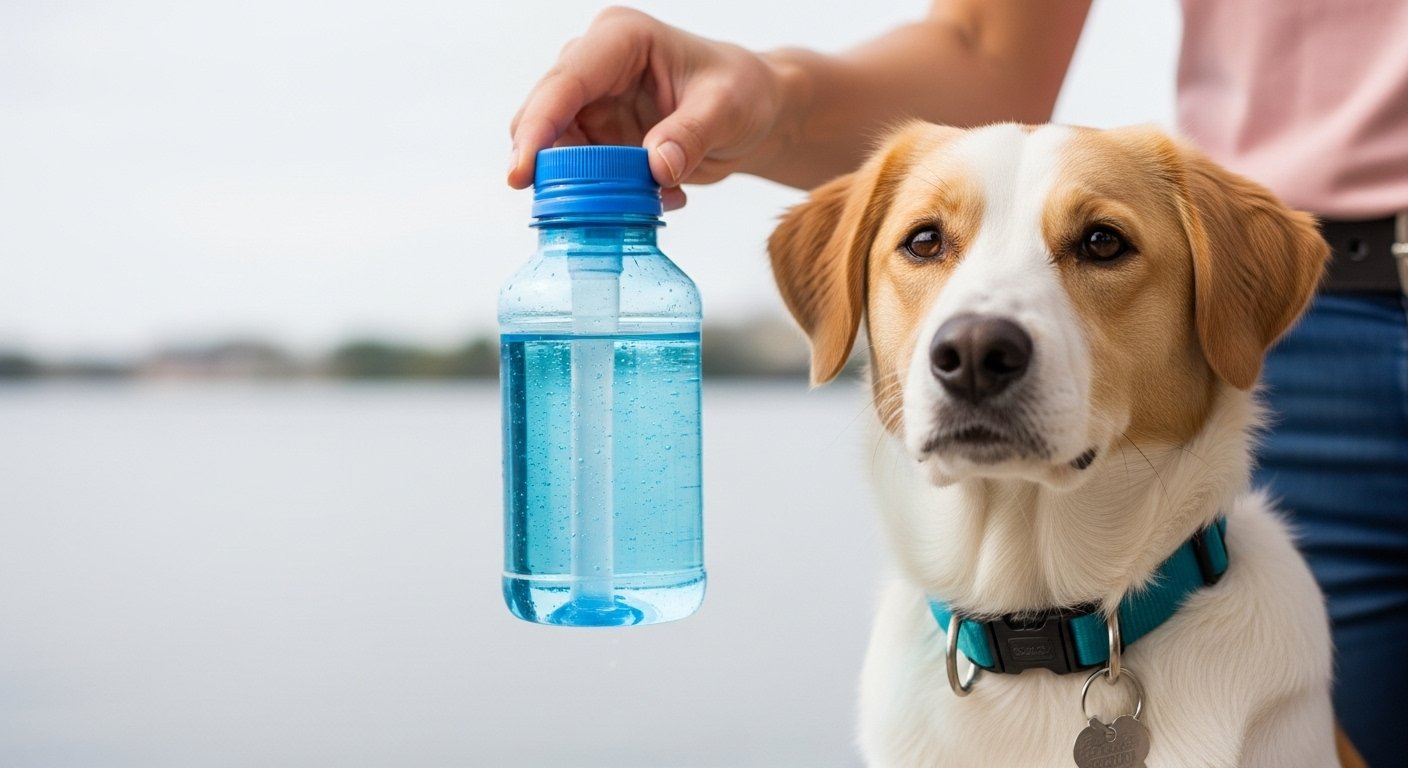
- Carry portable water bowls on outings.
Remember to take regular breaks during play to encourage drinking.
Winter: Combating Dryness and Cold
Cold air and indoor heating can dry out your dog’s system, and frozen water sources pose a risk.
- Use heated water bowls to prevent freezing outdoors.
- Increase indoor humidity with humidifiers.
- Monitor for snow-eating, which can cause stomach upset—offer fresh water instead.
- Adjust diet for more moisture if your dog is less active.
- Shorten outdoor time in extreme cold to avoid chills that affect hydration.
In snowy conditions, ensure water remains accessible and unfrozen.
Spring and Fall: Transition Seasons
Milder weather still requires vigilance, especially with allergies or increased activity.
- Clean water bowls frequently to prevent bacterial growth in humid conditions.
- Encourage drinking after play sessions.
- Watch for puddles or standing water that might tempt your dog—stick to clean sources.
Creative Ways to Encourage Water Intake
Some dogs are picky drinkers. Try these tricks:
- Invest in a pet water fountain—the running water mimics streams and entices drinking.
- Add low-sodium broth or a splash of tuna water to flavor plain water (vet-approved).
- Place multiple bowls around the house in noticeable spots.
- Switch to stainless steel or ceramic bowls, which stay cleaner than plastic.
- Monitor intake daily and adjust based on activity.
Fountains can make hydration fun and promote healthier habits.
Incorporating Hydrating Foods and Treats
Diet plays a big role in hydration. Supplement dry kibble with:
- Wet dog food for added moisture.
- Fresh fruits like watermelon, apples (no seeds), or blueberries.
- Veggies such as cucumbers, carrots, or celery.
- Plain yogurt or cottage cheese in moderation.
- Homemade bone broth (unsalted).
These moisture-rich options can boost intake, especially in hot months.
Always introduce new foods gradually and check with your vet for safety.
Special Considerations for Different Dogs
- Puppies: They need more frequent access due to higher activity and smaller bodies.
- Senior Dogs: Monitor closely as they may drink less; consider elevated bowls for comfort.
- Active Breeds: Increase water during exercise; use collapsible bowls for hikes.
- Health Issues: Dogs with diabetes or on medications may require extra hydration—follow vet guidelines.
Final Thoughts
Keeping your dog hydrated year-round is about consistency, observation, and fun adaptations. By providing fresh water, recognizing signs early, and tailoring to seasons and needs, you’ll help your pup thrive. Remember, if in doubt, consult your veterinarian. Your dog’s wagging tail will thank you!
Share your own hydration tips in the comments, and pin this guide for easy reference!