
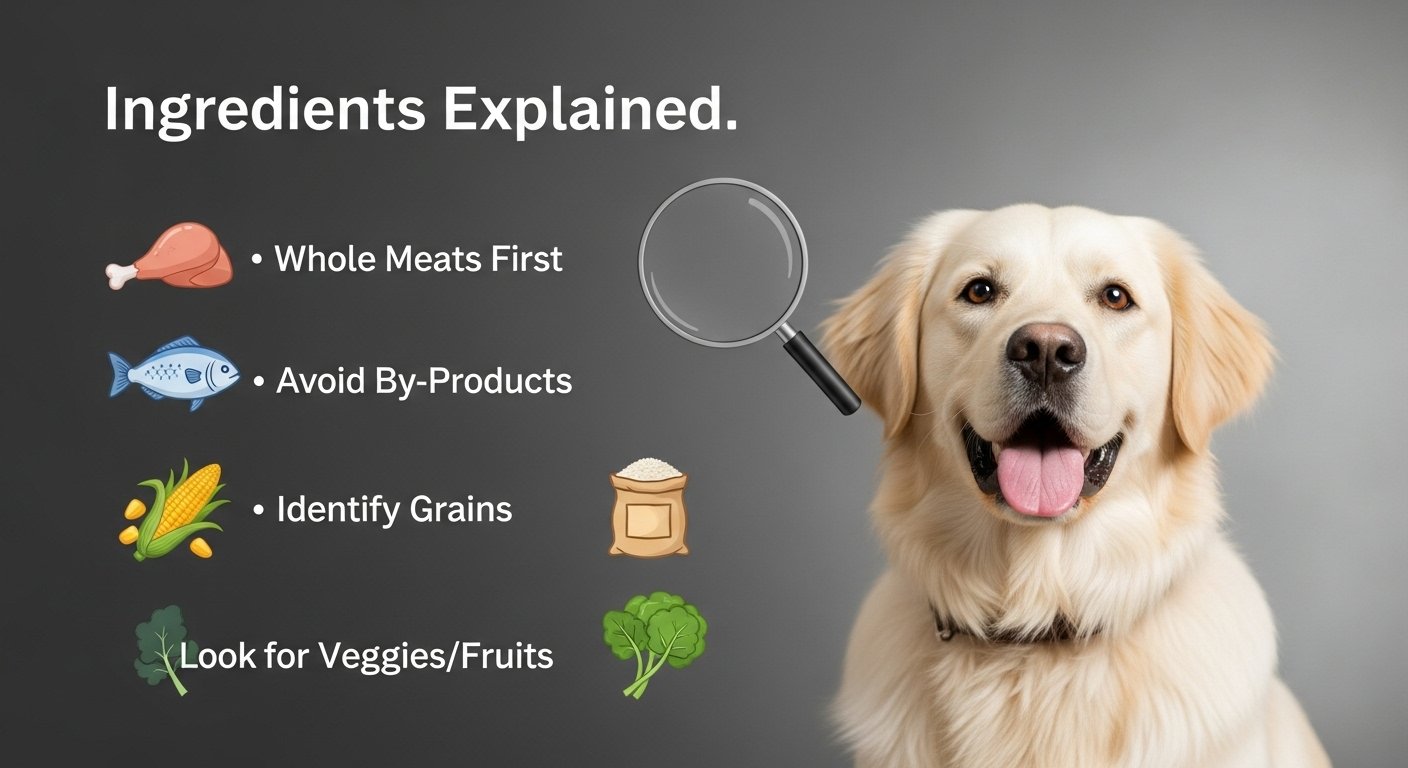
- ‘Premium’ is often a marketing term: Research suggests it doesn’t have a strict legal definition in pet food labeling, so it may indicate higher-quality ingredients but isn’t guaranteed—always check the actual label for substance over hype.
- Focus on regulated elements: Evidence leans toward prioritizing the ingredients list, guaranteed analysis, and AAFCO statements, as these provide verifiable info on nutrition rather than vague claims like “premium” or “gourmet.”
- Common pitfalls to avoid: It seems likely that terms like “natural” or “holistic” can be misleading without backing; pet owners should look for whole ingredients first and consult vets for breed-specific needs.
- Empower your choices: While debates exist on commercial vs. homemade diets, reliable sources emphasize balanced, complete foods over flashy labels to support dog health.
Why ‘Premium’ Might Not Mean What You Think
The term “premium” on dog food packaging is appealing, evoking images of top-tier nutrition for your furry friend. However, according to veterinary and regulatory insights, it’s largely unregulated by bodies like the FDA or AAFCO. This means manufacturers can use it freely, often to justify higher prices without standardized quality assurances. For instance, a “premium” label might highlight real meat as the first ingredient, but it could still include fillers or by-products. To decode this, start by scanning for AAFCO approval, which ensures the food meets basic nutritional standards for life stages like puppy or adult.
Essential Label Components to Check
- Ingredients List: Listed by weight, so the top ones matter most. Look for named meats (e.g., “chicken” vs. “meat meal”) and avoid vague terms.
- Guaranteed Analysis: Shows minimum protein, fat, and fiber levels—aim for at least 18-22% protein for adults, per expert guidelines.
- Nutritional Adequacy: Confirms if it’s “complete and balanced.” This is key for long-term health.
Resources like the FDA’s pet food page (https://www.fda.gov/animal-veterinary/animal-food-feeds/pet-food) stress reporting misleading claims to protect pets.
Tips for Smarter Shopping
Choose foods with transparent sourcing, and consider your dog’s age, size, and health. If allergies are a concern, opt for limited-ingredient options. Always cross-reference with trusted sites or your vet to balance marketing with facts.
When it comes to feeding our beloved dogs, the array of options on pet store shelves can feel overwhelming. Bright packaging screams “premium,” “super premium,” or even “ultra-premium,” promising the best for your pup. But what does “premium” really mean in the world of dog food labels? As a dog owner and enthusiast, I’ve delved into this topic to help you navigate the fine print. Drawing from veterinary experts, regulatory guidelines, and nutrition science, this guide breaks it down step by step. We’ll explore the history of pet food labeling, dissect key terms, and provide practical advice to ensure your dog gets truly nourishing meals. Whether you’re a new pet parent or a seasoned one, understanding these labels empowers you to make informed choices that support your dog’s health and happiness.
The Evolution of Dog Food Labeling
Dog food as we know it has come a long way since the 19th century, when commercial options were rudimentary mixes of scraps. Today, the industry is a multi-billion-dollar market regulated primarily in the U.S. by the Association of American Feed Control Officials (AAFCO) and the Food and Drug Administration (FDA). AAFCO sets model guidelines for labeling, while the FDA enforces safety standards under the Federal Food, Drug, and Cosmetic Act. However, terms like “premium” fall into a gray area. Historically, “premium” emerged in the 1980s as brands differentiated themselves amid growing competition, but it’s not defined in AAFCO’s official feed terms. This lack of regulation means “premium” can signify higher protein content or exotic ingredients in one brand, while another uses it loosely. Veterinary nutritionists from organizations like the American Veterinary Medical Association (AVMA) often advise that true quality comes from balanced formulations, not buzzwords.
What ‘Premium’ Claims Really Entail
At its core, “premium” is a marketing descriptor, not a nutritional guarantee. AAFCO doesn’t require specific criteria for it, unlike terms like “organic,” which must meet USDA standards. Research from pet nutrition studies suggests that “premium” foods often feature:
- Higher-quality proteins (e.g., whole chicken instead of by-products).
- Added superfoods like blueberries or omega-rich fish oils.
- Grain-free or limited-ingredient formulas for sensitive dogs.
Yet, this isn’t universal. A 2020 study published in the Journal of Animal Science highlighted that some “premium” brands had similar nutritional profiles to economy options, with price differences driven by branding. To spot genuine value, compare labels side-by-side. For example, if a “premium” food lists “chicken meal” high up, it’s concentrated protein—but ensure it’s not overshadowed by fillers like corn gluten. Experts from PetMD emphasize that “premium” might imply better palatability or digestibility, but without third-party testing (e.g., via the Clean Label Project), it’s hard to verify. On the flip side, critics argue that over-reliance on “premium” labels contributes to pet obesity, as these foods can be calorie-dense without clear portion guidance.
Breaking Down the Dog Food Label: A Step-by-Step Guide
Every dog food label follows a standard format, but decoding it requires knowing where to look. Here’s a detailed walkthrough:
- Product Name and Descriptor: This is the hook—”Premium Chicken & Rice Formula for Adult Dogs.” The “95% Rule” (an AAFCO guideline) means if it says “Chicken Dog Food,” at least 95% must be chicken (excluding water). But “premium” here is optional fluff.
- Ingredients List: Ingredients are ordered by pre-cooking weight, so the first few are crucial. Prioritize:
- Whole proteins (e.g., deboned salmon).
- Healthy carbs (e.g., sweet potatoes over wheat fillers).
- Avoid artificial colors, preservatives like BHA/BHT, or unnamed “animal fats.” Common red flags include “by-products,” which can be nutritious (organs) but vary in quality. A Tufts University Cummings School of Veterinary Medicine report notes that premium labels often minimize these, opting for “human-grade” claims—though “human-grade” itself isn’t federally regulated.
- Guaranteed Analysis: This table shows minimum/maximum percentages for crude protein, fat, fiber, and moisture. For adult dogs, aim for:
- Protein: 18-30% (higher for active breeds).
- Fat: 8-20%.
- Fiber: 3-5%. Puppies need more (22-32% protein). Remember, these are minimums, so “premium” foods might boast higher numbers, but quality matters more than quantity.
- Nutritional Adequacy Statement: Look for “complete and balanced” per AAFCO, tested via feeding trials or formulation. Feeding trials (real dogs eating the food) are gold-standard, as they’re more reliable than lab calculations.
- Feeding Guidelines: Based on weight and activity, but adjust for your dog’s needs—overfeeding “premium” kibble can lead to weight gain.
- Manufacturer Info and Claims: Includes contact details and any special claims (e.g., “grain-free”). The FDA requires truthfulness, but vague terms like “holistic” or “natural” (meaning minimal processing) aren’t strictly enforced.
To illustrate, here’s a sample comparison table of label terms across budget, mid-range, and premium brands (based on aggregated data from sources like Dog Food Advisor):
| Label Term/Feature | Budget Brand Example | Mid-Range Example | Premium Brand Example |
|---|---|---|---|
| First Ingredient | Corn, meat by-products | Chicken meal, brown rice | Deboned chicken, oats |
| Protein % (Guaranteed) | 21% min | 25% min | 30% min |
| Additives | Artificial colors, BHA | Natural flavors, tocopherols | Probiotics, glucosamine |
| AAFCO Statement | Formulated for maintenance | Feeding trial for all life stages | Feeding trial with organic cert |
| Price per lb (approx.) | $1-2 | $2-3 | $3-5 |
| Common Claims | “Tasty & Nutritious” | “Natural Ingredients” | “Premium Human-Grade” |
This table underscores that “premium” often correlates with better ingredients but isn’t a synonym for “best”—individual dog needs vary.
Myths and Misconceptions About Premium Dog Food
One prevalent myth is that “premium” always equals healthier. While some studies link higher-end foods to better coat health or energy levels, others (e.g., a 2018 Veterinary Record analysis) found no significant longevity differences. Grain-free “premium” options surged in popularity but faced scrutiny after FDA reports linked them to dilated cardiomyopathy (DCM) in breeds like Golden Retrievers—though causation isn’t fully proven, with ongoing research. Another misconception: “Premium” means no recalls. High-profile brands like Blue Buffalo have had issues, per FDA recall lists. Always check recent recalls on the FDA site.
On the positive side, premium foods may use ethically sourced ingredients, appealing to eco-conscious owners. For instance, brands certified by the Global Animal Partnership focus on animal welfare, adding a layer beyond nutrition.
Choosing the Right Food for Your Dog
Tailor choices to your dog’s profile:
- Puppies: High-protein premiums for growth.
- Seniors: Joint-supporting formulas with lower calories.
- Allergies: Hypoallergenic options like novel proteins (duck, venison).
Consult a vet, especially for conditions like diabetes. Budget-wise, premium isn’t always necessary—many mid-range foods meet standards affordably. Tools like the World Small Animal Veterinary Association (WSAVA) guidelines recommend brands with full-time nutritionists and research investment, such as Hill’s or Royal Canin.
Emerging Trends in Pet Nutrition
The pet food industry is evolving with trends like raw diets, personalized meals (e.g., via Nom Nom), and sustainable sourcing. A 2023 Mintel report notes rising demand for “clean label” premiums, free from GMOs. However, experts caution against DIY trends without vet oversight, as imbalances can cause issues like taurine deficiency. For eco-friendly picks, look for carbon-neutral brands.
In summary, while “premium” can signal quality, it’s no substitute for label literacy. By focusing on regulated elements and consulting pros, you’ll ensure your dog thrives. Share your experiences in the comments—what’s your go-to brand?