Why Leash Training Matters
Bringing a new puppy home is exciting, but teaching them to walk politely on a leash ensures safe, enjoyable outings for both of you. Proper training prevents pulling, lunging, or fear-based reactions, promoting better behavior and stronger bonds. According to reliable sources, consistent, positive methods yield the best results without stress.
Essential Gear for Success
Start with a well-fitted collar or harness (harnesses are gentler for puppies) and a 4-6 foot non-retractable leash. Avoid tools like prong collars for young pups, as they can cause harm if misused.
Basic Steps to Get Started
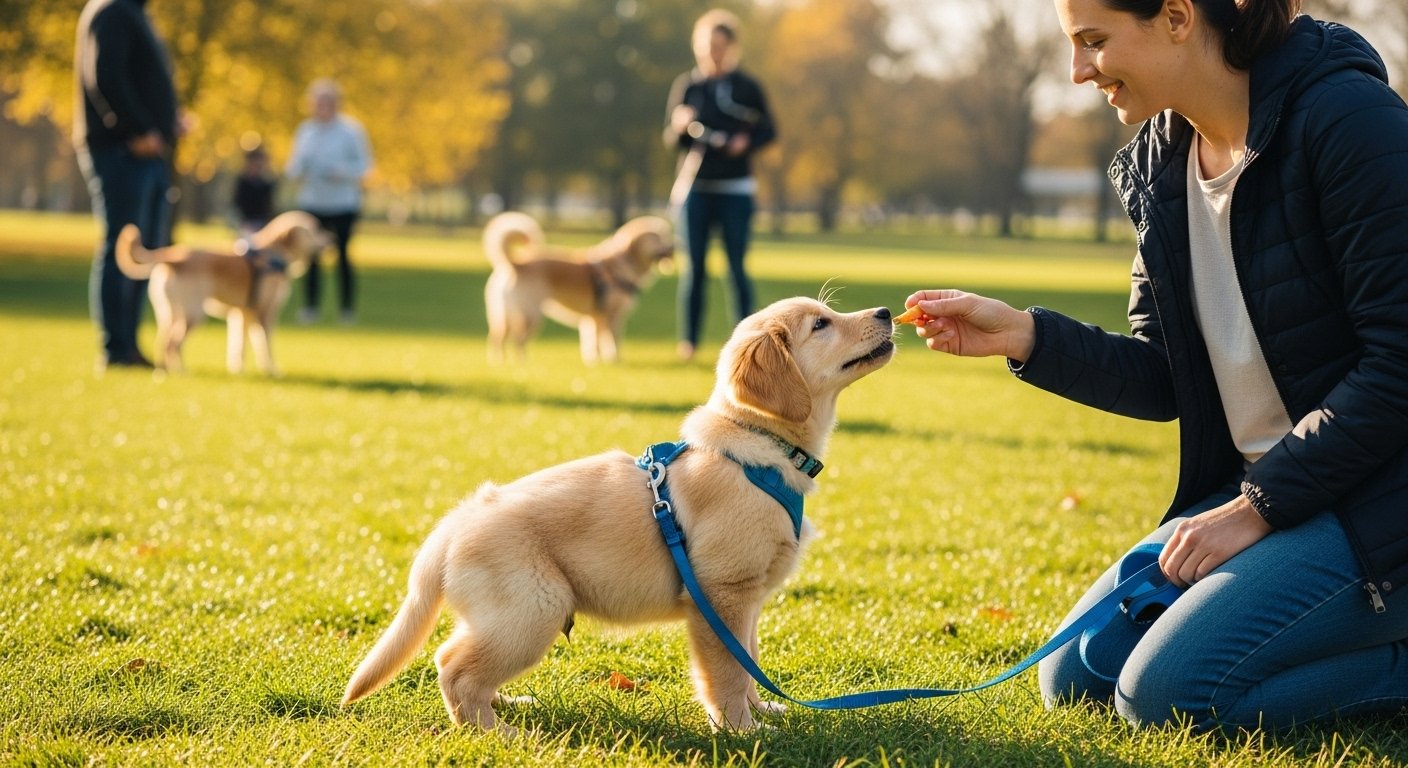
- Introduce the Gear: Let your puppy sniff and wear the collar/harness indoors during playtime, pairing it with treats.
- Build Focus: Use a cue sound (like a clicker) to get attention, rewarding with treats.
- Practice Indoors: Walk short distances inside, praising loose-leash behavior.
- Go Outdoors: Start in quiet areas, gradually increasing distractions.
Quick Tips for Effective Training
Keep sessions short (5-10 minutes), be consistent, and always end on a positive note. If issues arise, consult a vet or trainer for personalized advice.
Bringing home a fluffy new puppy is one of life’s greatest joys, but amidst the cuddles and playtime comes the essential task of training – and leash walking tops the list for many pet parents. Whether you’re dealing with a rambunctious Labrador or a timid Chihuahua, leash training sets the foundation for safe adventures, better socialization, and a harmonious relationship. In this comprehensive guide, we’ll dive deep into the step-by-step process, backed by expert insights from organizations like the American Kennel Club (AKC) and veterinary resources. We’ll cover preparation, detailed training phases, troubleshooting common challenges, breed-specific considerations, and even how nutrition and exercise play a role. By the end, you’ll have all the tools to turn your pup into a confident walker.
Understanding the Basics: Why Puppies Need Leash Training
Puppies aren’t born knowing how to walk on a leash – it’s a learned skill that requires patience and consistency. Starting early, ideally between 8-12 weeks when they’re curious and adaptable, can make the process smoother. However, every puppy is unique; factors like breed, temperament, and past experiences influence progress. For instance, high-energy breeds like Border Collies may pull more initially due to their drive, while smaller breeds might be overwhelmed by new environments.
The goal is “loose-leash walking,” where the leash remains slack, and your puppy stays by your side without tension. This not only prevents injuries (like tracheal damage from pulling) but also enhances safety during walks, reducing risks from traffic or other animals. Positive reinforcement is the cornerstone here – using treats, praise, and play to associate the leash with fun, rather than force, which could lead to fear or resistance.
Preparing for Training: Gear and Mindset
Before diving in, gather the right equipment and set realistic expectations. Training might take a few weeks to several months, with short daily sessions (5-10 minutes) being more effective than long, frustrating ones.
Recommended Gear
Choose items that prioritize comfort and safety:
| Item | Description | Why It’s Recommended | Potential Drawbacks |
|---|---|---|---|
| Collar | Flat, adjustable nylon or leather collar fitting snugly (two fingers’ space under it). | Simple for identification tags; suitable for non-pullers. | Can strain the neck if the puppy pulls; avoid for brachycephalic breeds. |
| Harness | Back-clip or front-clip style that distributes pressure across the chest. | Gentler on the throat; front-clip discourages pulling. | May rub if ill-fitted; back-clip can encourage pulling in strong pups. |
| Leash | 4-6 foot fixed-length nylon or leather leash. | Provides control without excess freedom. | Avoid retractable ones early on – they teach pulling and pose tangle risks. |
| Treats/Clicker | High-value treats (small, soft pieces) and a clicker for marking good behavior. | Motivates quick learning through positive association. | Overuse can lead to dependency; phase out gradually. |
Fit the gear properly: It should be snug but not tight, and check regularly as puppies grow fast. Introduce everything positively – let your pup sniff and explore without pressure.
Step-by-Step Leash Training Process
Follow this phased approach, starting indoors and progressing outward. Always use positive reinforcement: Reward desired behaviors immediately with treats, praise, or play.
- Introduce the Collar/Harness and Leash (1-3 Days)
Begin in a familiar, distraction-free space like your living room. Put on the collar or harness during mealtime or play, associating it with positives. Attach the leash and let it drag behind while supervising to prevent chewing or tangling. Reward calm behavior with treats. Goal: Your puppy views the gear as normal, not scary. - Teach a Focus Cue (2-4 Days)
In a quiet area, use a clicker or verbal marker (e.g., “yes!”) to signal “good job.” Make the sound when your puppy looks at you, then immediately give a treat. Repeat until they associate the cue with rewards. This builds attention, crucial for ignoring distractions later. - Encourage Following and Loose-Leash Indoors (3-7 Days)
Hold the leash loosely and take a few steps, using the cue to draw your puppy to you. Reward for staying close without pulling. If they resist, back up gently or use treats to lure them. Practice in short bursts, gradually increasing to walking around the room. Common cue: “Let’s go” or “Heel.” - Indoor to Outdoor Transition (Week 2 Onward)
Move to a fenced yard or quiet street. Start with short walks (5-10 minutes), rewarding every few steps for loose-leash behavior. If distractions arise (e.g., squirrels), use the cue to refocus and move away. Gradually extend duration and exposure to busier areas. - Advanced Practice and Maintenance (Ongoing)
Incorporate commands like “sit” or “stay” at stops. Vary routes to build adaptability. Fade treats over time, using praise or random rewards to maintain behavior.
Troubleshooting Common Challenges
Even with the best plans, hurdles arise. Here’s how to address them:
| Challenge | Possible Causes | Solutions | Prevention Tips |
|---|---|---|---|
| Pulling | Excitement, curiosity, or lack of exercise. | Stop walking until the leash slackens, then reward and continue. Use a front-clip harness. | Provide ample off-leash play; train in low-energy states. |
| Lunging/Barking | Fear, herding instincts, or overstimulation. | Create distance from triggers; redirect with treats before reaction. | Socialize early; use desensitization techniques gradually. |
| Refusing to Walk | Fear of gear or environment. | Lure with treats; make sessions fun and short. Check for discomfort. | Introduce gear positively from day one; build confidence indoors. |
| Chewing the Leash | Teething or boredom. | Distract with toys; use bitter sprays if needed. | Provide chew alternatives; keep training engaging. |
If problems persist, consult a professional trainer – early intervention prevents bad habits from setting in.
Breed-Specific Considerations
Different breeds respond variably:
- High-Energy Breeds (e.g., Huskies, Terriers): Incorporate more exercise before walks to burn off steam.
- Small Breeds (e.g., Pomeranians): Use lightweight harnesses to avoid injury; they may tire faster.
- Herding Breeds (e.g., Australian Shepherds): Focus on anti-lunging drills due to chasing instincts.
- Brachycephalic Breeds (e.g., Bulldogs): Always use harnesses to protect airways.
The Role of Nutrition and Overall Health
A well-fed puppy focuses better during training. Opt for high-quality, nutrient-rich diets to support brain development and energy levels. Regular vet check-ups ensure no underlying issues like pain affect behavior. Combine training with mental stimulation (puzzle toys) and physical play for a balanced pup.
Final Thoughts: Patience Pays Off
Leash training is an investment in your puppy’s future happiness and safety. With consistency, positivity, and the steps outlined here, you’ll soon enjoy stress-free strolls together. Remember, every puppy learns at their own pace – celebrate small wins and seek help if needed. Happy walking!