Key Points
- It rewards good behavior with treats, praise, or play, encouraging dogs to repeat desired actions without fear or stress.
- It seems likely to build stronger bonds and reduce anxiety: Unlike aversive methods, it fosters trust and eagerness to learn, with evidence showing lower stress levels in dogs.
- Evidence leans toward long-term success and welfare benefits: Studies indicate better obedience, fewer behavioral issues, and happier dogs, though individual results may vary based on consistency and the dog’s personality.
- Controversy exists around balanced training: Some trainers advocate mixing rewards with corrections, but major organizations like the ASPCA and AVSAB recommend avoiding aversives to prevent potential harm.
What Is Positive Reinforcement?
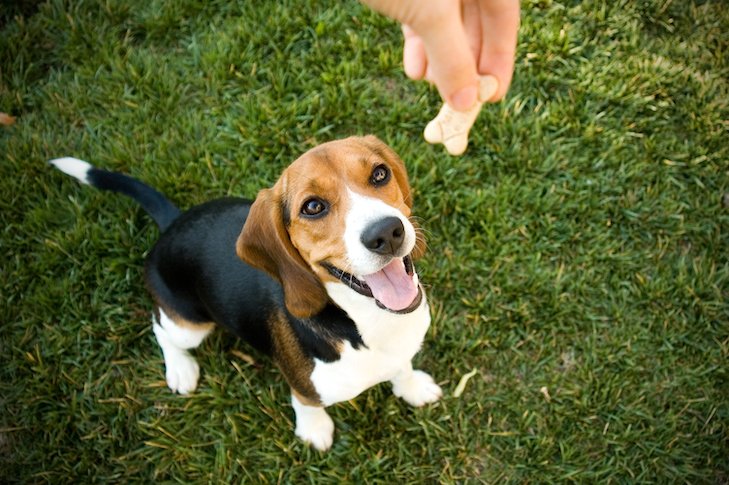
Positive reinforcement involves giving your dog something they love—like a treat, toy, or affection—right after they perform a desired behavior. This makes them more likely to repeat it. It’s part of operant conditioning, where behaviors are shaped by consequences. For example, if your dog sits on command and gets a treat, they’ll associate sitting with good things. Unlike punishment-based methods, it focuses on what to do rather than what not to do.
Main Benefits
This method not only teaches commands but also boosts your dog’s confidence and your relationship. Dogs trained this way often show less fear, better socialization, and sustained good behavior. Science supports it as more effective than aversives, which can lead to pessimism or aggression in dogs. It’s empathetic, acknowledging that every dog learns at their own pace.
Getting Started with Basics
Start simple: Use high-value treats for new behaviors, time rewards instantly, and be consistent. Teach “sit” by luring with a treat over their head, then praise. Gradually reduce treats as they learn, switching to intermittent rewards. Always stay patient—training is a partnership.
Training your dog can be one of the most rewarding experiences for both you and your furry friend, but choosing the right method makes all the difference. In this comprehensive guide, we’ll dive deep into positive reinforcement as the premier approach to dog training. Backed by science and endorsed by leading organizations, this technique emphasizes kindness, consistency, and rewards to shape behaviors effectively. Whether you’re a new puppy parent or working with a rescue dog, understanding and applying positive reinforcement can transform your training sessions into fun, bonding opportunities. We’ll cover definitions, scientific evidence, step-by-step methods, common pitfalls, real-world examples, and more to give you a complete toolkit.
Understanding Positive Reinforcement in Dog Training
Positive reinforcement is a cornerstone of modern animal behavior science, rooted in operant conditioning—a learning process where behaviors are influenced by their consequences. Specifically, it involves adding a pleasant stimulus (like a treat or praise) immediately after a desired behavior to increase the chances of it happening again. This contrasts with other quadrants of operant conditioning, such as positive punishment (adding an unpleasant stimulus to decrease behavior) or negative reinforcement (removing an unpleasant stimulus to increase behavior).
For instance, if your dog lies down on cue and receives a favorite toy, they’re more likely to lie down next time. The key is that the reward must be something the dog truly values, and timing is crucial—deliver it within seconds to ensure the association is clear. Organizations like the American Kennel Club (AKC) and the Humane Society advocate for this method because it turns training into a positive experience, encouraging dogs to engage willingly rather than out of fear.
The Science Behind Why It’s the Best Method
Decades of research underscore positive reinforcement’s superiority over aversive techniques. A review in the Journal of Applied Animal Welfare Science found that reward-based methods lead to better obedience and fewer problem behaviors compared to punishment-focused approaches. Similarly, a study published in Scientific Reports revealed that dogs exposed to two or more aversive methods displayed pessimistic cognitive biases, indicating poorer emotional welfare and higher stress levels. These dogs took longer to approach ambiguous rewards in tests, suggesting they anticipated negative outcomes more often.
The American Veterinary Society of Animal Behavior (AVSAB) strongly endorses rewards, stating there’s no evidence that aversives are more effective in any context, including aggression cases. In fact, aversives can erode trust, increase fear, and even provoke aggression, as noted in studies from Applied Animal Behaviour Science. Positive methods, on the other hand, lower cortisol (stress hormone) levels and promote long-term retention of learned behaviors.
To illustrate the evidence, here’s a table summarizing key scientific benefits based on various studies:
| Benefit | Description | Supporting Evidence |
|---|---|---|
| Builds Trust and Respect | Dogs show fewer stress signs and stronger owner bonds. | Applied Animal Behaviour Science study. |
| Reduces Fear and Anxiety | Lower cortisol levels compared to aversive training. | PLOS ONE research. |
| Promotes Long-Term Success | Better behavior retention in new situations. | Journal of Veterinary Behavior. |
| Strengthens Human-Dog Bond | Higher owner satisfaction and interactive seeking. | Journal of Applied Animal Welfare Science. |
| Encourages Willing Participation | More engagement and obedience. | Animal Cognition study. |
| Enhances Communication | Improved interpretation of human cues. | Journal of Comparative Psychology. |
| Reduces Aggressive Behavior | Reinforces calm over provocation. | Applied Animal Behaviour Science. |
| Encourages Socialization | Fewer public behavioral issues. | Journal of Veterinary Behavior. |
| Supports Healthy Lifestyle | Mental and physical stimulation. | Journal of Animal Physiology and Animal Nutrition. |
| Creates Positive Learning Environment | Enjoyable sessions lead to better retention. | The Veterinary Journal. |
While some advocate “balanced” training (mixing rewards and corrections), surveys show reward-only methods yield higher obedience without welfare risks. The ASPCA explicitly supports kindness-based methods, opposing tools causing discomfort.
Step-by-Step Guide to Implementing Positive Reinforcement
Getting started is straightforward, but success lies in patience and adaptation to your dog’s needs. Here’s a detailed breakdown:
- Identify Rewards: Test what motivates your dog—soft treats, toys, or praise. Use small, quick-to-eat pieces to avoid interruptions.
- Teach Basic Cues: For “sit,” hold a treat above their nose and move it back; reward when their bottom hits the ground. Add the verbal cue once consistent.
- Use Shaping for Complex Behaviors: Break tasks into steps. To teach “roll over,” reward lying down, then turning head, then full roll.
- Incorporate Schedules of Reinforcement: Start with continuous rewards, then switch to variable (e.g., every other time) for lasting habits.
- Address Unwanted Behaviors: Ignore or redirect—don’t punish. For jumping, turn away; reward when all paws are on the floor.
Best practices from the AKC include keeping sessions short (5-10 minutes), ending on a high note, and involving the whole family for consistency. Tools like clickers can mark exact moments of good behavior precisely.
Common Mistakes and How to Avoid Them
Even with good intentions, pitfalls arise. Over-relying on treats can lead to dependency; fade them gradually. Inconsistent cues confuse dogs—stick to one word per action. Delaying rewards weakens associations, so act fast. For stubborn behaviors, consult a certified trainer to rule out medical issues.
Real-World Success Stories and Case Studies
Many owners report transformations: A reactive rescue dog learns calm greetings through treat rewards, reducing anxiety. In shelters, positive methods speed adoptions by improving adoptability. Studies show 80% behavior improvement rates.
Conclusion: Embracing a Kinder Path
Positive reinforcement isn’t just effective—it’s compassionate, aligning with how dogs naturally learn. By focusing on rewards, you create a joyful partnership that lasts a lifetime. Start small, stay consistent, and watch your dog thrive.