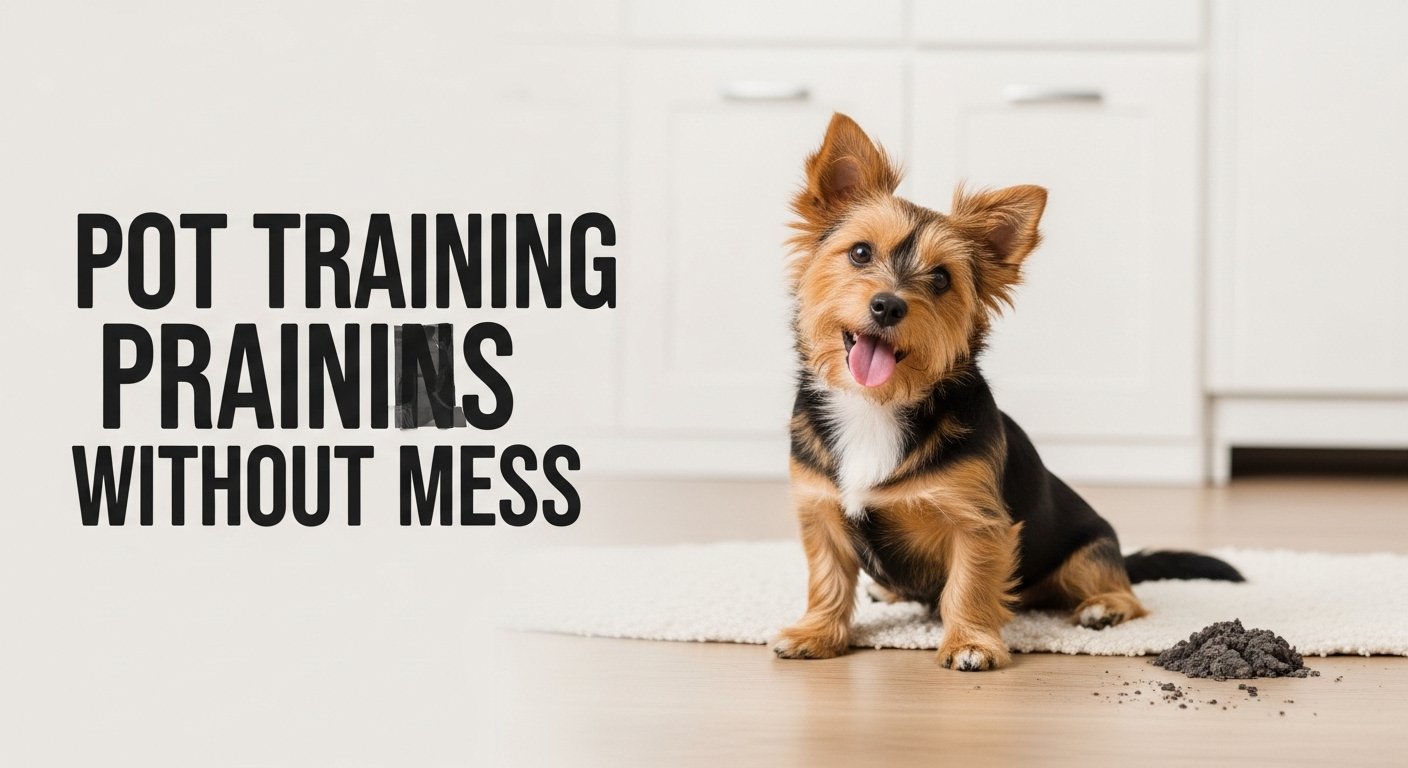
Hey there, fellow dog lovers! If you’re a new pup parent or dealing with an older dog who’s still figuring out where to “go,” potty training can feel overwhelming. But fear not—it’s totally doable without turning your home into a disaster zone. In this guide, we’ll walk through a mess-free approach to potty training your furry friend using positive reinforcement, consistency, and smart strategies. Whether you have a tiny puppy or a rescue adult dog, these tips will help you achieve success with minimal accidents. Let’s dive in!
Why Potty Training Matters (And How to Do It Right)
Potty training isn’t just about avoiding stains on your carpet—it’s about building trust, establishing routines, and ensuring your dog feels secure. Dogs are creatures of habit, and with the right method, you can teach them to eliminate outside or in a designated spot indoors without the chaos.
The key to a mess-free process? Prevention over correction. Focus on setting your dog up for success rather than punishing mistakes. This means using tools like crates, schedules, and rewards to guide behavior gently. Studies from animal behaviorists show that positive reinforcement can speed up training by up to 50% compared to punitive methods. Ready to get started? First, gather your supplies.
Essential Supplies for Mess-Free Potty Training
Before you begin, stock up on these items to keep things clean and efficient:
- Crate or Playpen: Sized just right for your dog to stand, turn, and lie down—no extra space to encourage accidents.
- Enzyme Cleaner: For any slip-ups; regular cleaners won’t remove the scent that draws dogs back to the same spot.
- Treats and Toys: High-value rewards like small pieces of chicken or cheese for immediate positive feedback.
- Leash and Harness: For quick outdoor trips.
- Puppy Pads or Fake Grass (Optional): If you’re training indoors initially, especially for apartments.
- Baby Gates: To confine your dog to easy-to-clean areas like the kitchen.
Step-by-Step Guide to Potty Training
Follow this structured plan for the best results. Aim for patience—most dogs take 4-6 months to fully train, but you’ll see progress in weeks.
Step 1: Establish a Routine
Dogs thrive on predictability. Create a schedule based on your dog’s age:
- Puppies (under 6 months): Every 1-2 hours, plus after meals, play, and naps.
- Adult Dogs: Every 4-6 hours, adjusting for their needs.
Take them out first thing in the morning, after eating, and before bed. Use a consistent command like “Go potty” to associate the action with the words.
Step 2: Crate Training Basics
Crates mimic a den, where dogs naturally avoid soiling. Introduce the crate positively:
- Place treats inside and let your dog explore.
- Feed meals in the crate to build good associations.
- Never use it for punishment—keep sessions short at first (e.g., 10-15 minutes).
When you’re home, supervise closely. If you can’t watch, pop them in the crate. This prevents messes and teaches bladder control.
Step 3: Reward Success Immediately
Timing is everything! When your dog potties in the right spot:
- Praise enthusiastically: “Good potty!”
- Give a treat within 3 seconds.
- Gradually phase out treats as the habit forms.
If an accident happens, don’t scold—just clean it up quietly and note what led to it (e.g., too long between breaks).
Step 4: Handle Indoor Training (If Needed)
For city dwellers or bad weather:
- Set up a designated area with pads or turf.
- Gradually move it closer to the door, then outside.
- Transition fully outdoors when possible to avoid confusion.
Step 5: Nighttime and Long Absences
Puppies can’t hold it overnight, so set alarms for middle-of-the-night potty breaks. For working pet parents, consider a dog walker or extend crate time gradually. Use calming aids like pheromone diffusers if anxiety causes accidents.
Common Mistakes to Avoid
Even the best intentions can go awry. Here’s what not to do:
- Rubbing Their Nose in It: This outdated method causes fear and delays training.
- Inconsistent Schedules: Skipping breaks leads to more accidents.
- Too Much Freedom Too Soon: Supervise until they’re reliable—freedom is earned!
- Ignoring Signals: Watch for sniffing, circling, or whining—these mean “I need to go!”
- Using Harsh Cleaners: Lingering smells invite repeat offenses.
By sidestepping these, you’ll keep your home spotless and your dog happy.
Advanced Tips for Stubborn Cases
If your dog is a tough nut to crack:
- Consult a Vet: Rule out medical issues like UTIs.
- Track Progress: Use a journal to log successes and accidents—patterns emerge!
- Incorporate Exercise: Tired dogs are less likely to have indoor mishaps.
- Scent Markers: Use outdoor potty sprays to encourage the right spot.
- Patience for Rescues: Older dogs may need extra time due to past experiences.
Remember, every dog is unique. Breeds like Dachshunds or Chihuahuas might take longer, while Labs often catch on quickly.
Wrapping It Up: A Clean, Happy Home Awaits
Potty training without the mess is all about consistency, positivity, and preparation. Stick to the plan, celebrate small wins, and soon you’ll have a fully house-trained companion. Your floors (and sanity) will thank you! If you have breed-specific questions or need more tailored advice, drop a comment below.
Share this guide with fellow dog owners, and happy training! 🐶✨