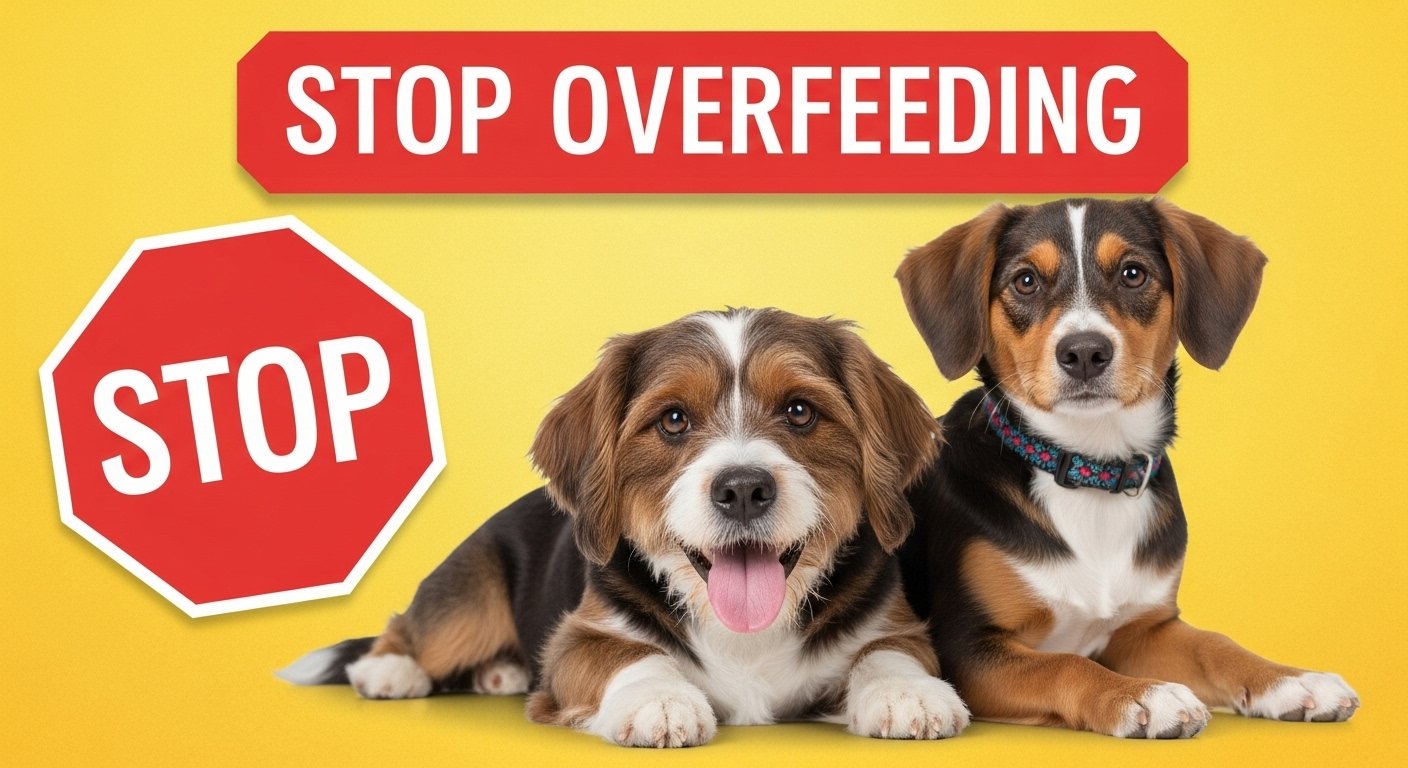
Stop Overfeeding Your Household Hound: A Guide to Keeping Your Dog Healthy and Happy
Welcome, dog lovers! If you’re a pet parent, you know those pleading puppy eyes can make it tough to say no to an extra treat or a heaping bowl of kibble. But overfeeding your furry friend can lead to serious health issues, from obesity to joint problems and a shortened lifespan. In this Pinterest-friendly blog, we’ll dive into why overfeeding happens, how to recognize it, and practical, vet-approved tips to ensure your household hound stays fit, healthy, and tail-waggingly happy. Pin this post to your “Pet Care” board for a go-to guide to responsible dog feeding!
Why Overfeeding Happens: The Love Trap
Let’s face it—dogs are masters at manipulating us with their soulful stares and enthusiastic tail wags. It’s easy to fall into the trap of overfeeding because we equate food with love. Here are some common reasons pet parents overfeed:
- Guilty Treats: You feel bad for leaving your pup alone all day, so you toss them an extra treat to make up for it.
- Misjudging Portions: Not measuring food or eyeballing portions can lead to overfeeding, especially with calorie-dense kibble.
- Human Food Handouts: Sharing scraps from your plate adds calories your dog doesn’t need.
- Misreading Hunger Cues: Dogs often act hungry even when they’re not, leading us to believe they need more food.
Overfeeding might feel like love, but it can harm your dog’s health. Obesity in dogs is linked to diabetes, heart disease, arthritis, and a reduced lifespan. Let’s break the cycle and keep your pup in tip-top shape!
Signs Your Dog Might Be Overfed
Not sure if your dog is getting too much food? Here are some telltale signs to watch for:
- Weight Gain: If your dog’s waistline is disappearing or you can’t feel their ribs easily, they may be overweight.
- Lethargy: An overfed dog might lack energy for playtime or walks.
- Difficulty Breathing: Extra weight can make breathing harder, especially during exercise.
- Joint Issues: Carrying excess pounds puts strain on joints, leading to limping or reluctance to move.
- Picky Eating: If you’re overfeeding, your dog might start refusing food because they’re not truly hungry.
How to Stop Overfeeding: Practical Tips for Pet Parents
Ready to take control of your dog’s diet? Here’s a step-by-step guide to ensure your hound gets the right amount of food without feeling deprived.
1. Measure Meals Precisely
- Why It Matters: Free-feeding or guessing portions often leads to overfeeding.
- How to Do It: Use a standard measuring cup (not a random scoop!) to portion out kibble based on your dog’s weight, age, and activity level. Check the feeding guidelines on your dog food bag, but adjust as needed with your vet’s advice.
- Fun Hack: Create a “portion station” with a cute mason jar and a labeled measuring cup for easy meal prep. Snap a pic for your Pinterest board!
2. Stick to a Feeding Schedule
- Why It Matters: Regular meal times help regulate your dog’s appetite and prevent begging.
- How to Do It: Feed adult dogs 1-2 times daily (puppies may need 3-4 meals). Remove uneaten food after 15-20 minutes to discourage grazing.
- Pin It! Save this adorable printable feeding schedule template to your “Dog Care Tips” board to keep track of meal times.
3. Choose Low-Calorie Treats
- Why It Matters: Treats can account for up to 10% of your dog’s daily calories, so high-calorie options add up fast.
- How to Do It: Opt for healthy treats like baby carrots, green beans, or small pieces of apple. Limit commercial treats to 1-2 per day, and break them into smaller pieces for training.
- Yummy Idea: Make DIY frozen dog treats with yogurt and blueberries! Pin this recipe to your “Dog Treats” board for a healthy, tail-wagging snack.
4. Avoid Table Scraps
- Why It Matters: Human food is often high in fat, sugar, and salt, which can harm your dog’s health.
- How to Do It: Set a “no scraps” rule for the whole family. If your dog begs, redirect them with a toy or a quick training session.
- Cute Tip: Create a “dog distraction station” with puzzle toys or a stuffed Kong to keep them busy during family meals. Pin this idea to your “Pet Hacks” board!
5. Consult Your Vet
- Why It Matters: Every dog is unique, and factors like breed, age, and health conditions affect their dietary needs.
- How to Do It: Schedule a vet checkup to determine your dog’s ideal weight and calorie intake. If your dog is overweight, your vet can design a safe weight-loss plan.
- Pin It! Save this checklist of questions to ask your vet about your dog’s diet to your “Pet Health” board.
6. Increase Exercise
- Why It Matters: Exercise burns calories and keeps your dog mentally stimulated.
- How to Do It: Aim for at least 30-60 minutes of activity daily, depending on your dog’s breed and energy level. Try walks, fetch, or agility games.
- Fun Idea: Create a backyard obstacle course for your dog! Pin this DIY tutorial to your “Dog Activities” board for inspiration.
Sample Meal Plan for a 50-Pound Dog
To give you a starting point, here’s a sample daily meal plan for a moderately active 50-pound dog (always consult your vet for personalized advice):
- Morning Meal: 1 cup high-quality kibble (approx. 350 calories)
- Evening Meal: 1 cup kibble (350 calories)
- Treats: 1 baby carrot (5 calories) and 1 small training treat (10 calories)
- Total: ~715 calories (adjust based on your dog’s needs)
Healthy Treat Ideas Your Dog Will Love
Keep treat time exciting without packing on the pounds! Here are some vet-approved, low-calorie options:
- Veggie Crunchers: Baby carrots, cucumber slices, or green beans.
- Fruit Bites: Small pieces of apple (no seeds), watermelon, or blueberries.
- Homemade Goodies: Bake simple dog biscuits with oats and peanut butter.
- Frozen Treats: Freeze broth or yogurt in ice cube trays for a refreshing snack.
The Benefits of Proper Feeding
When you stop overfeeding, your dog will thank you with a longer, healthier life. Here’s what you’ll notice:
- More Energy: A fit dog is ready for playtime and adventures.
- Better Mobility: Less weight means less strain on joints.
- Shiny Coat: Proper nutrition supports healthy skin and fur.
- Happier Mood: A balanced diet keeps your dog feeling their best.
FAQs About Dog Feeding
Q: How do I know if my dog is overweight?
A: Check their BCS or consult your vet. If you can’t feel their ribs or see a waistline, they may need a diet adjustment.
Q: Can I free-feed my dog?
A: Free-feeding often leads to overeating. Stick to scheduled meals for better portion control.
Q: Are all dog foods the same?
A: No! Choose high-quality food with real ingredients and consult your vet for breed-specific recommendations.
Final Thoughts: Love Them with Limits
Your dog deserves all the love in the world, but that love doesn’t have to come in the form of extra kibble or treats. By measuring meals, choosing healthy snacks, and keeping your pup active, you’re setting them up for a long, vibrant life. Start small—swap one treat for a veggie, measure their food, or add an extra walk to their routine. Your household hound will thank you with slobbery kisses and endless tail wags!
Why Overfeeding Happens: The Love Trap
Let’s face it—dogs are masters at manipulating us with their soulful stares and enthusiastic tail wags. It’s easy to fall into the trap of overfeeding because we equate food with love. Here are some common reasons pet parents overfeed:
- Guilty Treats: You feel bad for leaving your pup alone all day, so you toss them an extra treat to make up for it.
- Misjudging Portions: Not measuring food or eyeballing portions can lead to overfeeding, especially with calorie-dense kibble.
- Human Food Handouts: Sharing scraps from your plate adds calories your dog doesn’t need.
- Misreading Hunger Cues: Dogs often act hungry even when they’re not, leading us to believe they need more food.
Overfeeding might feel like love, but it can harm your dog’s health. Obesity in dogs is linked to diabetes, heart disease, arthritis, and a reduced lifespan. Let’s break the cycle and keep your pup in tip-top shape!
Signs Your Dog Might Be Overfed
Not sure if your dog is getting too much food? Here are some telltale signs to watch for:
- Weight Gain: If your dog’s waistline is disappearing or you can’t feel their ribs easily, they may be overweight.
- Lethargy: An overfed dog might lack energy for playtime or walks.
- Difficulty Breathing: Extra weight can make breathing harder, especially during exercise.
- Joint Issues: Carrying excess pounds puts strain on joints, leading to limping or reluctance to move.
- Picky Eating: If you’re overfeeding, your dog might start refusing food because they’re not truly hungry.
Pro Tip: Check your dog’s Body Condition Score (BCS). Vets use a 1-9 scale to assess weight, with 4-5 being ideal for most breeds. Ask your vet to show you how to evaluate your dog’s BCS at home!
How to Stop Overfeeding: Practical Tips for Pet Parents
Ready to take control of your dog’s diet? Here’s a step-by-step guide to ensure your hound gets the right amount of food without feeling deprived.
1. Measure Meals Precisely
- Why It Matters: Free-feeding or guessing portions often leads to overfeeding.
- How to Do It: Use a standard measuring cup (not a random scoop!) to portion out kibble based on your dog’s weight, age, and activity level. Check the feeding guidelines on your dog food bag, but adjust as needed with your vet’s advice.
- Fun Hack: Create a “portion station” with a cute mason jar and a labeled measuring cup for easy meal prep. Snap a pic for your Pinterest board!
2. Stick to a Feeding Schedule
- Why It Matters: Regular meal times help regulate your dog’s appetite and prevent begging.
- How to Do It: Feed adult dogs 1-2 times daily (puppies may need 3-4 meals). Remove uneaten food after 15-20 minutes to discourage grazing.
- Pin It! Save this adorable printable feeding schedule template to your “Dog Care Tips” board to keep track of meal times.
3. Choose Low-Calorie Treats
- Why It Matters: Treats can account for up to 10% of your dog’s daily calories, so high-calorie options add up fast.
- How to Do It: Opt for healthy treats like baby carrots, green beans, or small pieces of apple. Limit commercial treats to 1-2 per day, and break them into smaller pieces for training.
- Yummy Idea: Make DIY frozen dog treats with yogurt and blueberries! Pin this recipe to your “Dog Treats” board for a healthy, tail-wagging snack.
4. Avoid Table Scraps
- Why It Matters: Human food is often high in fat, sugar, and salt, which can harm your dog’s health.
- How to Do It: Set a “no scraps” rule for the whole family. If your dog begs, redirect them with a toy or a quick training session.
- Cute Tip: Create a “dog distraction station” with puzzle toys or a stuffed Kong to keep them busy during family meals. Pin this idea to your “Pet Hacks” board!
5. Consult Your Vet
- Why It Matters: Every dog is unique, and factors like breed, age, and health conditions affect their dietary needs.
- How to Do It: Schedule a vet checkup to determine your dog’s ideal weight and calorie intake. If your dog is overweight, your vet can design a safe weight-loss plan.
- Pin It! Save this checklist of questions to ask your vet about your dog’s diet to your “Pet Health” board.
6. Increase Exercise
- Why It Matters: Exercise burns calories and keeps your dog mentally stimulated.
- How to Do It: Aim for at least 30-60 minutes of activity daily, depending on your dog’s breed and energy level. Try walks, fetch, or agility games.
- Fun Idea: Create a backyard obstacle course for your dog! Pin this DIY tutorial to your “Dog Activities” board for inspiration.
Sample Meal Plan for a 50-Pound Dog
To give you a starting point, here’s a sample daily meal plan for a moderately active 50-pound dog (always consult your vet for personalized advice):
- Morning Meal: 1 cup high-quality kibble (approx. 350 calories)
- Evening Meal: 1 cup kibble (350 calories)
- Treats: 1 baby carrot (5 calories) and 1 small training treat (10 calories)
- Total: ~715 calories (adjust based on your dog’s needs)
Healthy Treat Ideas Your Dog Will Love
Keep treat time exciting without packing on the pounds! Here are some vet-approved, low-calorie options:
- Veggie Crunchers: Baby carrots, cucumber slices, or green beans.
- Fruit Bites: Small pieces of apple (no seeds), watermelon, or blueberries.
- Homemade Goodies: Bake simple dog biscuits with oats and peanut butter.
- Frozen Treats: Freeze broth or yogurt in ice cube trays for a refreshing snack.
The Benefits of Proper Feeding
When you stop overfeeding, your dog will thank you with a longer, healthier life. Here’s what you’ll notice:
- More Energy: A fit dog is ready for playtime and adventures.
- Better Mobility: Less weight means less strain on joints.
- Shiny Coat: Proper nutrition supports healthy skin and fur.
- Happier Mood: A balanced diet keeps your dog feeling their best.
FAQs About Dog Feeding
Q: How do I know if my dog is overweight?
A: Check their BCS or consult your vet. If you can’t feel their ribs or see a waistline, they may need a diet adjustment.
Q: Can I free-feed my dog?
A: Free-feeding often leads to overeating. Stick to scheduled meals for better portion control.
Q: Are all dog foods the same?
A: No! Choose high-quality food with real ingredients and consult your vet for breed-specific recommendations.