
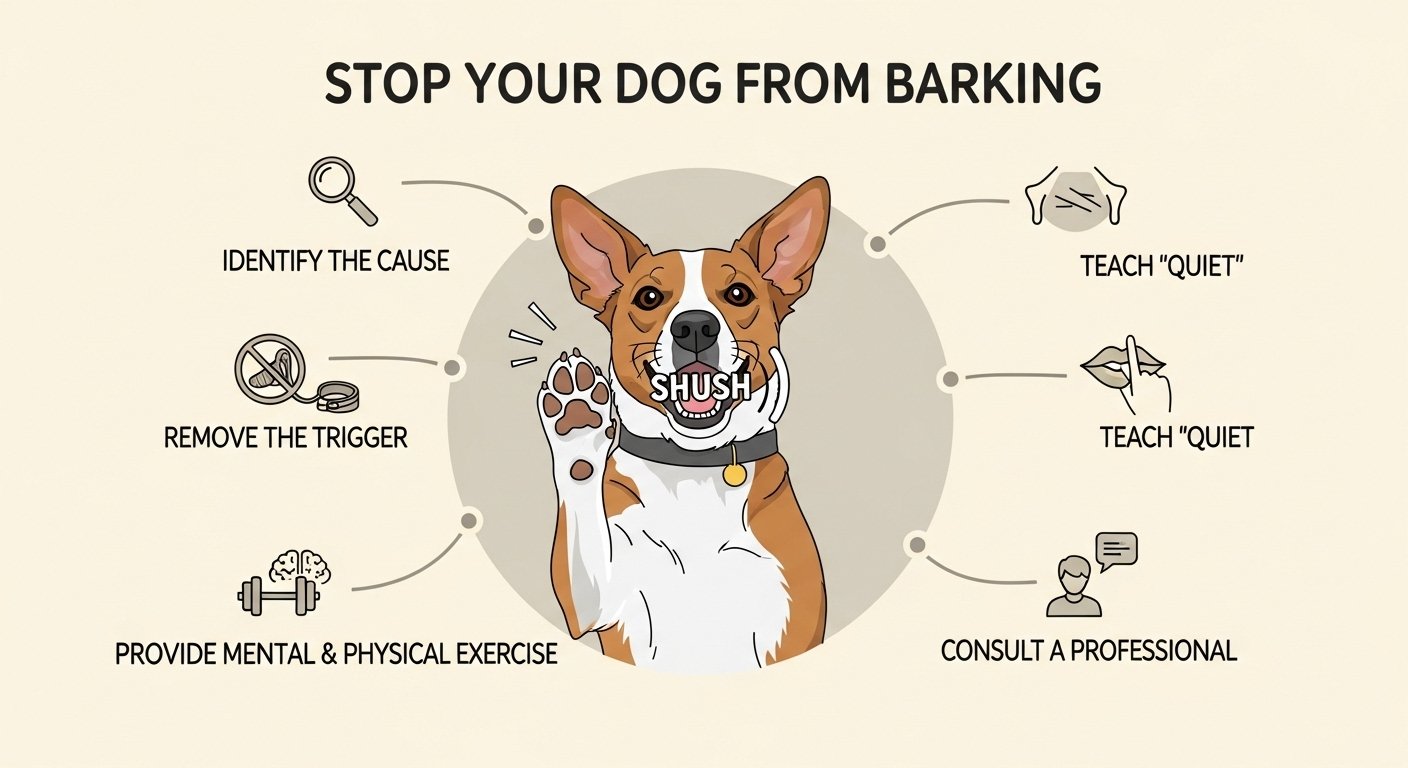
Is your home filled with endless woofs, yips, and howls? If your furry friend’s barking is driving you (and your neighbors) up the wall, you’re not alone! Excessive barking is a common issue for dog owners, but the good news is that with a few simple tricks and consistent training, you can create a calmer, quieter environment for everyone. In this blog, we’ll dive into why dogs bark, share easy-to-implement strategies, and offer tips to prevent future outbursts. Let’s turn those barks into blissful silence!
Understanding Why Dogs Bark: The Root Causes
Before jumping into solutions, it’s essential to know why your dog is barking. Dogs don’t bark just to annoy us—they’re communicating! Here are the most common reasons:
- Alert Barking: Your pup is playing watchdog, alerting you to strangers, noises, or movement outside.
- Boredom or Loneliness: Dogs left alone for long periods may bark out of frustration or anxiety.
- Attention-Seeking: If barking gets them treats, playtime, or your focus, they’ll keep it up!
- Fear or Anxiety: Thunderstorms, fireworks, or new environments can trigger fearful barks.
- Excitement: Happy barks during play or when you come home are common but can escalate.
- Territorial Behavior: Protecting their space from other animals or people.
Simple Tricks to Stop Barking in Its Tracks
Ready to reclaim your peace? These vet-approved tricks are straightforward, humane, and use positive reinforcement. Remember, consistency is key—everyone in the household should follow the same rules.
1. Teach the “Quiet” Command
- Start in a calm setting. When your dog barks, say “Quiet” in a firm but gentle tone.
- Wait for a pause (even if brief), then reward with a treat and praise like “Good quiet!”
- Practice daily, gradually increasing distractions. Use high-value treats like cheese or chicken to motivate.
- Bonus: Pair with a hand signal, like a finger to your lips, for non-verbal cues.
2. Distract and Redirect
- When barking starts, redirect attention to a toy or puzzle feeder. Kong toys stuffed with peanut butter work wonders!
- For doorbell barkers, practice desensitization: Ring the bell yourself, then immediately give a command like “Sit” followed by a reward.
- Avoid yelling—it can excite them more. Stay calm to model the behavior you want.
3. Increase Exercise and Mental Stimulation
- A tired dog is a quiet dog! Aim for 30-60 minutes of daily walks, play, or fetch.
- Incorporate brain games: Hide-and-seek with treats, obedience training, or agility courses in your backyard.
- For working breeds like Border Collies, consider puzzle toys or scent work to channel energy.
4. Create a Calm Environment
- Use white noise machines or calming music playlists designed for dogs to drown out external triggers.
- Close curtains during high-traffic times to reduce visual stimuli.
- Try pheromone diffusers like Adaptil, which mimic calming scents from mother dogs.
5. Address Separation Anxiety
- If barking happens when you leave, start with short absences and build up. Leave a comforting item like a worn shirt.
- Crate training can provide a safe space—make it positive with treats and toys.
- Consult a vet if anxiety is severe; they might recommend supplements or professional training.
Prevention Tips for Long-Term Quiet
Stopping barking isn’t just about quick fixes—it’s about building habits. Here’s how to prevent it from becoming a problem:
- Socialize Early: Expose puppies to new people, sounds, and environments to build confidence.
- Set Boundaries: Use baby gates to limit access to windows or doors where triggers lurk.
- Reward Silence: Notice and praise quiet moments randomly to reinforce good behavior.
- Health Check: Excessive barking could signal pain, hearing loss, or illness—schedule a vet visit if it’s sudden.
- Professional Help: If tricks aren’t working, hire a certified dog trainer or behaviorist for personalized advice.
Remember, punishment like shock collars can worsen anxiety and damage your bond. Always opt for positive methods!
Final Thoughts: Enjoy a Peaceful Pup Life
Transforming a barky dog into a serene companion takes patience, but the rewards—a quieter home and a happier pet—are worth it! Start with one trick today, track progress, and celebrate small wins. Your dog wants to please you; they just need guidance.
What’s your biggest barking challenge? Share in the comments below, and pin this post for easy reference!