Understanding Why Dogs Jump
Dogs jump on guests primarily to greet them at face level or to get attention, as this often works in their favor. According to experts, it’s a natural behavior reinforced by human reactions like pushing away or speaking, which dogs may interpret as play or engagement. Recognizing this can help you approach training with empathy, focusing on redirection rather than punishment.
Basic Steps to Train Your Dog
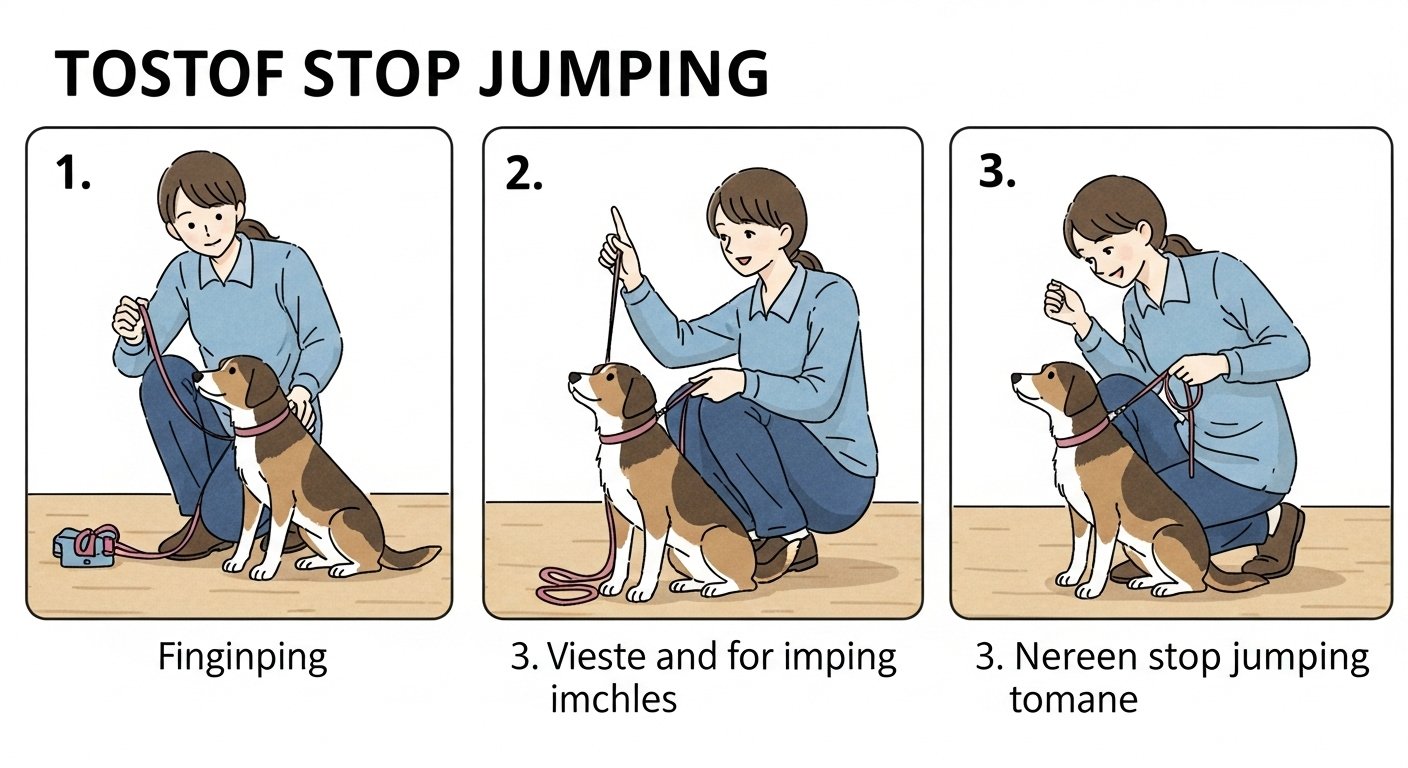
Start by teaching a “sit” command using treats to lure your dog into position. Practice in low-excitement settings before introducing guests. When visitors arrive, use management tools like leashes or crates to prevent jumping, and reward calm greetings. Gradually expose your dog to more scenarios, always reinforcing the desired behavior.
Quick Tips for Immediate Management
Keep greetings low-key to reduce excitement. Instruct guests to ignore jumping by turning away, and only interact once all four paws are on the floor. Use high-value treats to motivate your dog, and practice daily for best results. For more details, check resources like the American Kennel Club’s guide.
Introduction: A Common Challenge for Dog Owners
Welcoming guests into your home should be a joyful experience, but if your furry friend turns into a bouncing ball of enthusiasm, it can quickly become chaotic. Jumping on guests is one of the most frequent complaints among dog owners, yet it’s a behavior rooted in natural instincts rather than mischief. In this comprehensive guide, we’ll explore why dogs jump, proven strategies to curb the habit, step-by-step training methods, common pitfalls to avoid, and when it’s time to seek professional help. Drawing from expert advice and real-world experiences, this blog will equip you with the tools for a calmer, more polite pup. Whether you’re dealing with a playful puppy or an exuberant adult dog, patience and consistency can transform those enthusiastic leaps into composed greetings.
Why Do Dogs Jump on Guests? Unpacking the Behavior
Understanding the root cause is the first step toward effective training. Dogs aren’t trying to dominate or annoy; they’re simply communicating in a way that has worked for them before. According to the American Kennel Club (AKC), dogs jump to say “hello” at face level, a holdover from puppyhood when they licked their mother’s face for food or affection. This evolves into seeking human attention—after all, jumping often elicits a response, whether it’s laughter, petting, or even a stern “no,” which some dogs perceive as engagement.
The Best Friends Animal Society echoes this, noting that jumping is reinforced when people push the dog away or shout, turning it into a game. Excitement plays a big role too; the doorbell or new scents trigger a surge of energy, especially in high-energy breeds like Labradors or Border Collies. Real dog owners on platforms like Reddit share that puppies under a year old are particularly prone, as their behaviors aren’t yet set in stone, but older dogs can unlearn it with time.
Factors influencing jumping include:
- Breed and Energy Levels: Herding or sporting breeds may jump more due to their innate drive.
- Lack of Training: Without alternatives, dogs default to what gets results.
- Inconsistent Human Responses: If jumping is sometimes rewarded (e.g., “It’s okay, he’s friendly!”), it persists.
- Underlying Issues: Rarely, anxiety or lack of exercise can exacerbate the problem.
By addressing these, you can tailor your approach. For instance, increasing daily walks or playtime can reduce pent-up energy, making training easier.
Step-by-Step Guide to Stopping the Jumping
Training isn’t about suppression—it’s about teaching better options. Experts recommend positive reinforcement, where you reward desired behaviors while ignoring or redirecting unwanted ones. Here’s a detailed, phased plan based on AKC and Best Friends guidelines, supplemented by user-tested tips from dog training communities.
Phase 1: Teach an Alternative Behavior (Like “Sit”)
Start in a quiet environment without distractions.
- Hold a high-value treat (like cheese or chicken) just above your dog’s nose.
- Slowly move it back over their head; their bottom should naturally lower into a sit.
- As soon as they sit, say “yes” or use a clicker, then give the treat and praise.
- Repeat 5-10 times daily, adding the verbal cue “sit” once they anticipate the motion.
- Practice until they sit reliably on command, then fade the lure by using an empty hand signal.
Reddit users emphasize using a marker word like “yes” to pinpoint the exact moment of success, speeding up learning.
Phase 2: Manage the Environment to Prevent Practice
Jumping thrives on repetition, so limit opportunities:
- Use a leash to keep your dog at your side during arrivals.
- Place them in a crate or behind a baby gate with a chew toy for distraction.
- Have a “place” command where they go to a mat or bed on cue.
- For doorbell triggers, desensitize by ringing it randomly and rewarding calm.
The AKC advises keeping greetings low-key: No high-pitched excitement from you, as it amps up the dog.
Phase 3: Practice Controlled Greetings
Once “sit” is solid, simulate real scenarios:
- Leash your dog and have a family member enter, asking for a sit before approaching.
- If they jump, turn away calmly—no eye contact or words—until all four paws are down.
- Reward immediately with treats and attention when they sit.
- Gradually involve friends or strangers, instructing them to ignore jumps.
- Scatter treats on the floor as guests enter to encourage sniffing over jumping.
Best Friends suggests using an exercise pen for extra control, rewarding sits behind the barrier first.
Phase 4: Generalize and Maintain
Extend training to walks, parks, and varying excitement levels. Reward every polite greeting during the learning phase, then intermittently to maintain it. Consistency across all people is crucial; print instructions for guests if needed.
Real-world tip from dog owners: For super-excited dogs, use “red light/green light”—advance only when calm, backing up on jumps.
Common Mistakes and How to Avoid Them
Many owners unintentionally prolong the problem. Here’s a table summarizing frequent errors, drawn from sources like Woofz and Dog Owners Academy, with fixes:
| Common Mistake | Why It Fails | How to Avoid |
|---|---|---|
| Inconsistency (e.g., allowing jumps in casual clothes but not formal) | Sends mixed signals, confusing the dog about rules. | Enforce the same greeting rule every time, for everyone. |
| Physical Punishments (pushing, kneeing, or grabbing paws) | Can be seen as play or erode trust, leading to more jumping or fear. | Use ignoring or redirection; focus on positive alternatives. |
| Scolding or Yelling | Provides attention, reinforcing the behavior as a way to engage. | Stay silent during jumps; only interact when calm. |
| Not Teaching Alternatives | Leaves a void; dogs revert to jumping without options. | Always pair “no jump” with a cue like “sit” and reward. |
| Overlooking Excitement Triggers | Ignores root causes like boredom or anxiety. | Increase exercise and desensitize to sounds like doorbells. |
| Rushing the Process | Expecting overnight change leads to frustration. | Practice daily for 3-6 months; track progress weekly. |
Avoiding these can accelerate success. As one Reddit commenter noted, “Train the people as much as the dog—guests saying ‘it’s fine’ undoes weeks of work.”
Advanced Tips for Stubborn Cases
For dogs that don’t respond quickly:
- Incorporate Impulse Control Games: Teach “wait” with treats, gradually increasing delay.
- Use Enrichment: Puzzle toys or scent games redirect energy.
- Track Progress: Keep a journal of successes and setbacks to adjust.
- Breed-Specific Adjustments: High-energy breeds may need more exercise; consult breed resources.
Community insights highlight persistence: Many report 6-12 months for full reliability, especially with rescues.
When to Seek Professional Help
If jumping persists despite consistent efforts, or if it’s accompanied by aggression, fear, or other issues, a certified trainer or behaviorist is advisable. The AKC’s GoodDog! Helpline offers personalized advice. Signs include no improvement after a month, or if the dog seems anxious.
Conclusion: Patience Leads to Polite Pups
Stopping your dog from jumping on guests is achievable with understanding, positive methods, and teamwork. By teaching alternatives and managing environments, you’ll foster a welcoming home for all. Remember, every dog learns at their own pace—celebrate small wins!