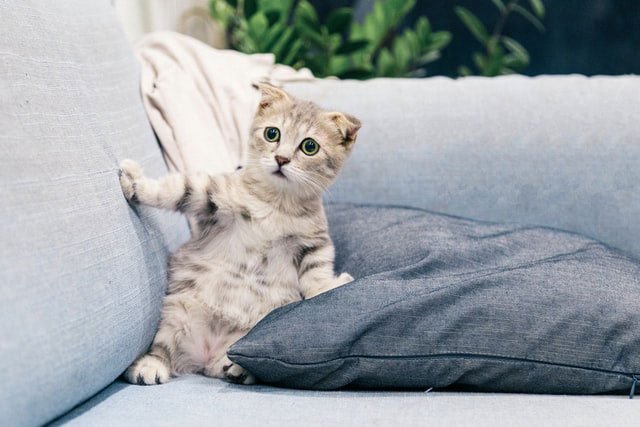
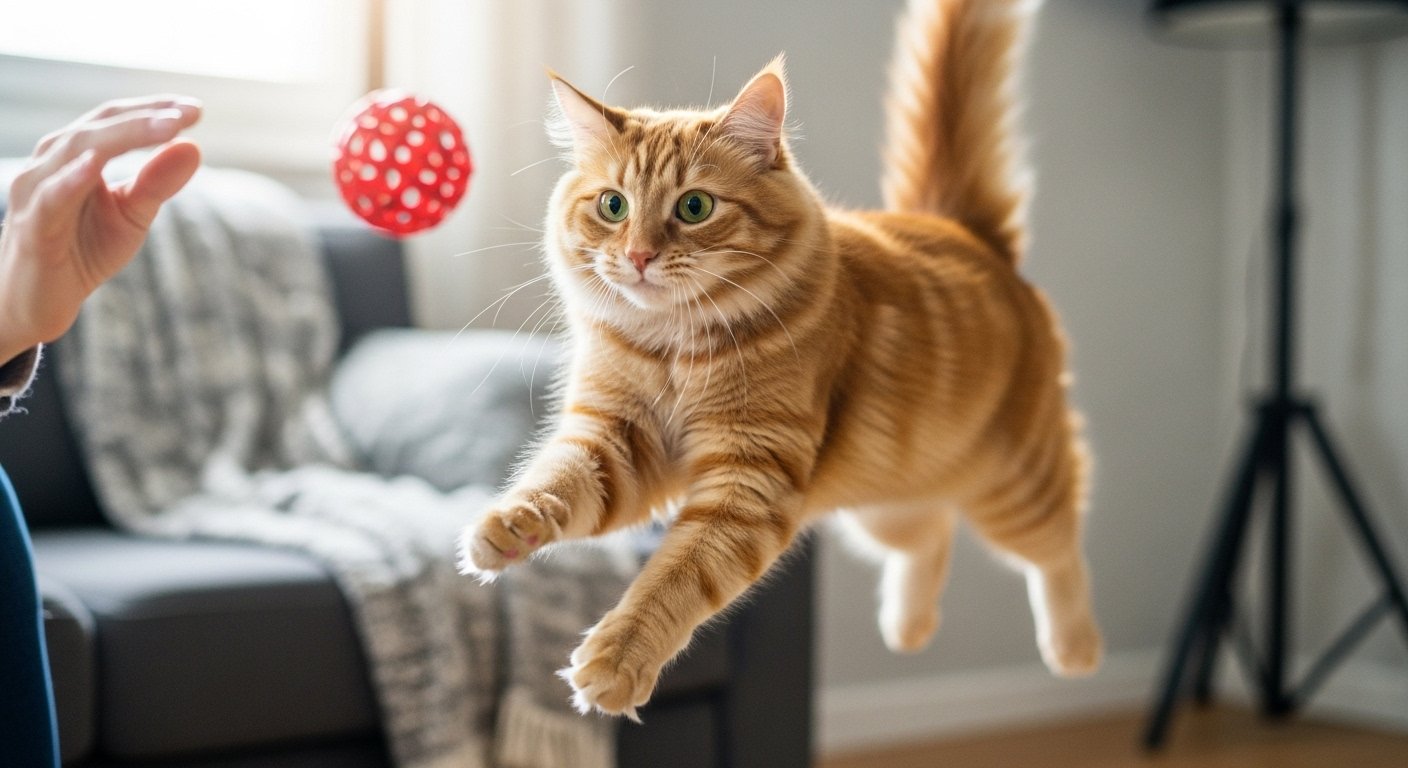
- cats enjoy playing fetch, with some breeds like Siamese and Maine Coons being more inclined, but any cat can learn with patience.
- Training strengthens the bond between you and your cat through positive reinforcement, potentially reducing behavioral issues like boredom or scratching.
- Start with short sessions using treats and favorite toys to keep it enjoyable, as cats have shorter attention spans than dogs.
- Beyond fetch, simple games like hide-and-seek or puzzle toys can enhance bonding and provide mental stimulation.
Getting Started with Fetch Training
Teaching your cat to fetch is a rewarding way to interact and build trust. It’s based on positive reinforcement, where you reward desired behaviors with treats or praise. Not all cats will take to it immediately, but consistency pays off. Choose a quiet space, a lightweight toy your cat loves, and high-value treats. Sessions should last just 3-5 minutes to avoid overwhelming your pet.
Step-by-Step Guide to Teaching Fetch
- Select the Right Toy: Pick something easy to carry, like a small ball or crinkle toy. Rub catnip on it if your cat responds well to it.
- Build Interest: Play with the toy to get your cat excited—wave or roll it short distances.
- Reward Small Steps: Praise and treat when your cat chases, touches, or picks up the toy.
- Encourage Return: Call your cat back with the toy in their mouth, using treats to lure them.
- Practice Dropping: Hold out your hand for the drop, rewarding immediately.
- Add Distance and Cues: Gradually toss farther and introduce a cue like “fetch.”
Other Bonding Games to Try
Incorporate variety to keep things fun. Games like tag or puzzle challenges engage your cat’s natural instincts. For example, hide treats in a cardboard box for a simple scavenger hunt, or use a wand toy for interactive chasing. These activities not only bond you closer but also provide essential exercise.
Ever wondered if your independent feline could learn tricks like a dog? While cats are known for their aloof nature, many can be trained to fetch, turning playtime into a delightful bonding ritual. This comprehensive guide dives deep into the art of teaching fetch, backed by expert insights from veterinarians and pet behaviorists, and expands into a variety of fun games to strengthen your relationship with your cat. We’ll cover prerequisites, detailed training methods, common pitfalls, toy recommendations, and enrichment ideas to keep your cat happy and engaged indoors.
Why Teach Your Cat to Fetch?
Fetching isn’t just a game—it’s a form of mental and physical enrichment that taps into your cat’s predatory instincts. Studies and owner surveys indicate that about 40% of cats enjoy fetch-like play, often initiating it themselves. This activity can reduce stress, prevent obesity, and deepen the emotional bond between you and your pet. For indoor cats, it’s especially valuable, mimicking hunting behaviors they might miss out on. However, success depends on your cat’s personality; younger cats or breeds like Abyssinians may pick it up faster, while older or less playful ones might need more encouragement.
Prerequisites for Successful Training
Before starting, ensure your cat is healthy—consult a vet if they’re lethargic or overweight, as this could affect their interest in play. Train in a distraction-free environment, like a small room, and time sessions for when your cat is alert but not overstimulated (e.g., before meals). You’ll need:
- High-value rewards: Tiny treats, praise, or petting (avoid overfeeding; use portions from daily meals).
- A marker: A clicker or verbal cue like “Yes!” to signal correct behavior instantly.
- Patience: Sessions should be short (2-5 minutes) to prevent frustration.
If your cat isn’t food-motivated, experiment with toys or affection as rewards. Remember, positive reinforcement is key—never punish or force participation, as this can erode trust.
Detailed Step-by-Step Training Guides
Drawing from expert sources, here are consolidated methods tailored for different starting points. Use these progressively, adapting to your cat’s pace.
If Your Cat Already Chases Toys
- Initiate Chase and Pickup: Roll the toy 1-2 feet away. Mark (click or “Yes!”) and reward the moment they pick it up.
- Encourage Return: Call them back while they hold the toy. Reward incremental steps toward you.
- Teach Drop: Hold your hand under their mouth so the toy falls in; mark and reward.
- Build Distance: Gradually increase the toss length, adding a cue like “fetch” before throwing.
- Refine: Practice until they reliably return and drop the toy.
If Your Cat Needs Basics
- Introduce Pickup: Use a treat-filled ball. Reward interest, then mouth contact, building to full pickup.
- From Hand to Floor: Progress from handing the toy to placing it on the floor.
- Add Toss: Start with short distances, rewarding retrieval.
- Transition Toys: Once mastered, switch to preferred toys like crinkle balls.
Personal Tips from Owners and Experts
- Rub catnip on the toy to boost interest.
- Store the fetch toy in a special spot (e.g., a drawer) to heighten its appeal—cats often come running at the sound.
- If they won’t drop, lure with a treat and praise.
- Advance to games like “Monkey in the Middle” with friends for added fun.
| Step | Action | Reward Tip | Common Issue & Fix |
|---|---|---|---|
| 1. Select Toy | Choose lightweight, mouth-friendly item (e.g., Frisco Squirrel Plush) | Use catnip-infused for extra appeal | Cat ignores? Try different textures; avoid heavy toys. |
| 2. Build Excitement | Wave or roll to engage | Verbal praise + treat | Short attention? Keep sessions under 5 min. |
| 3. Chase & Pickup | Toss short distance | Mark instantly with clicker | No chase? Start with 1 ft tosses; build gradually. |
| 4. Retrieval | Lure back with treat | High-value reward on return | Drops midway? Reward partial returns first. |
| 5. Drop & Repeat | Hand under mouth for drop | Immediate treat | Won’t drop? Show treat to prompt release. |
| 6. Advanced Cue | Add “fetch” command | Consistent praise | Inconsistent? Practice daily but briefly. |
Common Mistakes to Avoid
- Overlong sessions: Cats tire quickly; end on a high note.
- Leaving toys out: This diminishes novelty—store them away.
- Forcing play: If disinterested, try another time or game.
- Ignoring signals: Watch for tail flicks or flattened ears indicating stress.
Expanding to Fun Bonding Games
Fetch is great, but variety prevents boredom. Here are enriched activities for deeper connection:
Interactive Play
- Hide-and-Seek: Hide behind furniture and dangle a toy; let your cat “find” you.
- Tag: Gently chase and boop noses, teaching gentleness.
- Wand Toys: Mimic prey with feather wands for hunting simulation.
Puzzle and Foraging Games
- Treat Puzzles: Hide treats in boxes with holes or toilet paper rolls.
- Scatter Feeding: Toss kibble across the floor for a hunt.
- Food Puzzles: Use toys like puzzle feeders to engage problem-solving.
Low-Effort Bonding
- Cat TV: Watch birds through a window or on screen together.
- Brushing Sessions: Groom while petting to build trust.
- Bubbles: Blow safe bubbles for chasing.
- Cardboard Adventures: Build box forts with hidden toys.
Outdoor-Inspired Enrichment
- Vertical Spaces: Add cat trees or shelves for climbing.
- Leash Walks: Train with a harness for safe outdoor exploration.
- Catios: Enclosed outdoor spaces for fresh air.
| Game Type | Examples | Benefits | Duration Tip |
|---|---|---|---|
| Interactive | Fetch, Wand Toys, Tag | Builds trust, exercise | 10-15 min twice daily |
| Puzzle | Treat Boxes, Foraging Toys | Mental stimulation, reduces boredom | 5-10 min, rotate weekly |
| Low-Energy | Brushing, Cat TV, Naps | Emotional bonding, relaxation | As long as cat enjoys |
| Enrichment | Cat Trees, Leash Walks | Mimics natural behaviors | Ongoing setup |
Toy Recommendations and Safety
Opt for safe, durable toys: Avoid small parts that could be swallowed. Favorites include ping pong balls, pipe cleaners, or app-based games on tablets. Rotate to keep interest high. For laser pointers, always end with a tangible “catch” to prevent frustration.
Final Thoughts on Bonding
Incorporating fetch and these games into your routine can transform your cat from a solitary lounger to an engaged companion. Remember, every cat is unique—observe their preferences and adjust. With time, you’ll not only have a fetching feline but a stronger, more affectionate bond. Share your success stories in the comments!