
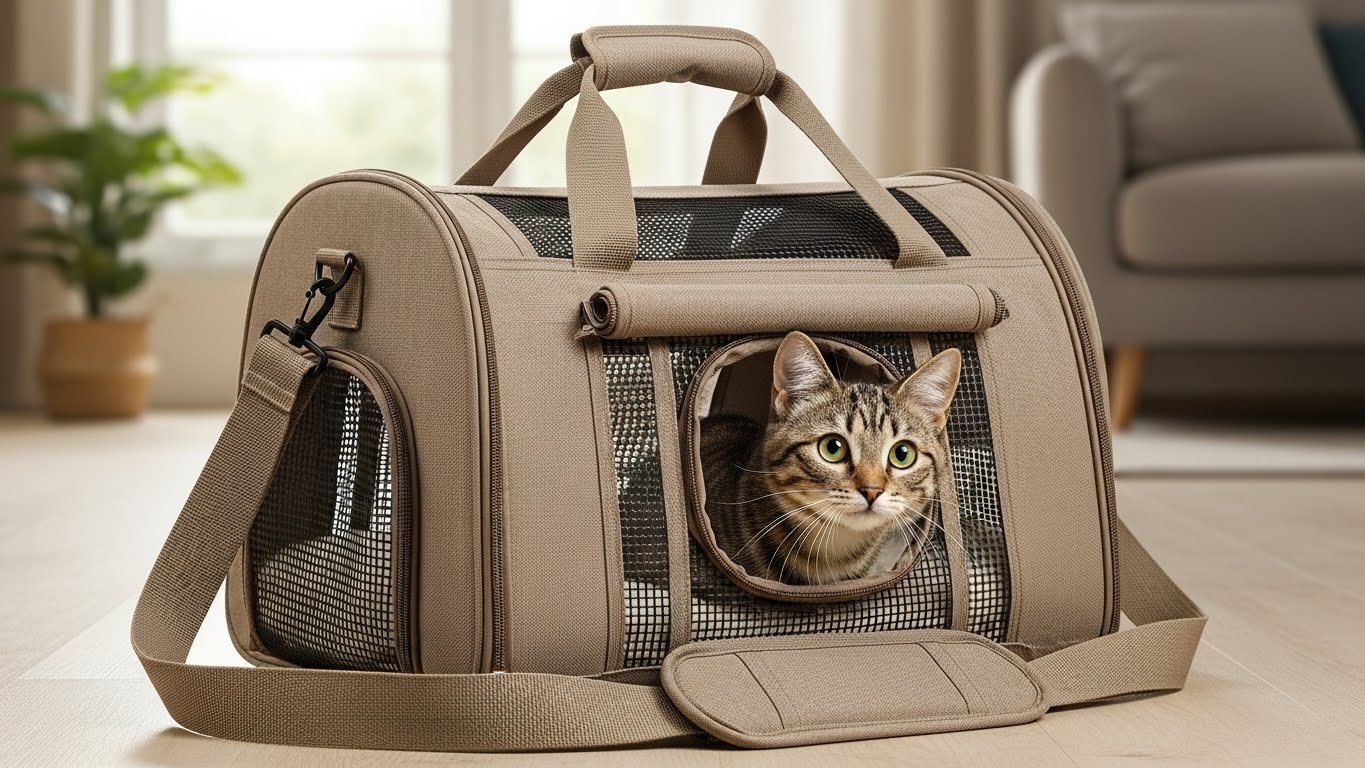
- Research suggests starting early with positive associations can make carrier use less stressful, but it’s effective for cats of any age with patience.
- Evidence leans toward gradual desensitization using treats and familiar scents to build comfort, avoiding force which may increase fear.
- It seems likely that consistent short sessions over weeks or months yield the best results, acknowledging individual cat differences in response time.
Choosing the Right Carrier
Selecting an appropriate carrier is foundational. Opt for sturdy plastic or metal models that are easy to clean and secure, large enough for your cat to turn around but snug to prevent sliding. Top-loading options can ease entry during training. Soft-sided carriers work for calm cats but may not suit escape artists.
Basic Training Overview
Begin by leaving the carrier out as a normal part of your home environment to reduce novelty fear. Use high-value treats like tuna or lickable pastes to encourage exploration and entry. Progress slowly: from approaching, to entering, closing the door briefly, lifting, and short practice rides. Tools like Feliway pheromone sprays can help create calming signals.
Common Tips and Precautions
Always prioritize positive experiences—never punish or force your cat, as this can heighten anxiety. Monitor body language for stress signs like flattened ears or hissing, and revert to earlier steps if needed. For emergencies, use a towel-wrap method gently, but focus on long-term training for routine calm use.
Training your cat to use a carrier calmly isn’t just about convenience—it’s a key way to reduce stress for both you and your feline friend during vet visits, travel, or emergencies. Many cat owners dread the carrier battle, but with science-backed methods like desensitization and positive reinforcement, it’s possible to transform the carrier from a feared object into a safe haven. This detailed guide draws from expert veterinary and animal behavior resources to provide a comprehensive approach, including step-by-step instructions, carrier selection advice, troubleshooting, and more. Whether you’re starting with a kitten or retraining an adult cat with past negative experiences, patience and consistency are your best tools. Let’s dive in.
Why Carrier Training Matters
Cats are naturally wary of confined spaces, especially if past carrier use has involved stressful events like car rides or medical exams. Training helps counter this by building positive associations, potentially lowering cortisol levels and making necessary trips safer and easier. According to veterinary behaviorists, early intervention can prevent long-term fear responses, and even older cats can learn in as little as a few days to months with short, daily sessions. Plus, in disaster scenarios like evacuations, a calm carrier-trained cat can be lifesaving.
Selecting the Ideal Carrier
The right carrier sets the stage for successful training. Here’s a breakdown of key considerations and types:
| Carrier Type | Pros | Cons | Best For |
|---|---|---|---|
| Hard Plastic (e.g., with metal door) | Sturdy, easy to clean, secure; allows turning around without excess space. | Heavier; less flexible for storage. | Most cats; ideal for training as doors can often be removed initially. |
| Soft-Sided (Fabric/Zippered) | Lightweight, foldable; comfortable for short trips. | Easier to escape; not as durable for chewers or large cats. | Calm, small cats; air travel if airline-approved. |
| Metal Wire | Excellent ventilation; secure. | Noisier; less privacy, which can stress shy cats. | Home use or short transports; good for visibility during training. |
| Top-Loading | Easy access for placing/retrieving cat; less intimidating entry. | May not be as secure for vigorous cats. | Nervous cats or vet exams where quick handling is needed. |
Precautions: Always inspect for defects like loose parts to ensure safety. The carrier should be large enough for your cat to stand, turn, and lie down comfortably but not so spacious that they slide during movement. Add absorbent bedding, like a towel over newspaper, for accidents. For anxious cats, pheromone products like Feliway can be sprayed inside 15 minutes before use to mimic calming facial pheromones.
Step-by-Step Training Process
Training relies on desensitization (reducing fear through gradual exposure) and counterconditioning (pairing the carrier with positive experiences like food). Aim for 1-2 minute sessions twice daily, using high-value rewards your cat loves—think tuna, cream cheese, or salmon paste on a spoon to avoid direct hand contact if preferred. Monitor for stress signs (e.g., dilated pupils, tail thrashing) and pause if needed.
- Make the Carrier Familiar (Desensitization Phase, 1-2 Weeks): Leave the carrier in a quiet, high-traffic area like near the couch. Remove the door and top if possible to turn it into an open “den.” Add familiar bedding with your scent, toys, or a blanket draped over for cave-like security. Spray with Feliway if available. Let your cat explore at their own pace—ignore it to avoid pressure.
- Build Positive Associations with Food (1-2 Weeks): Start feeding meals near the carrier, gradually moving the bowl closer until it’s at the entrance. Use “jackpot treats” (irresistible rewards given only here) to lure approach and entry. Toss treats inside for discovery. Once comfortable, feed all meals in the carrier to reinforce it’s a good place.
- Reassemble and Practice Entry (Ongoing, Build Gradually): Add the top back on (without door), rewarding entry and staying. Then attach the door, taped open at first to prevent scary swings. Reward approaching, putting paws in, full entry, and lingering. For top-loaders, secure the lid open and train jumping in if preferred.
- Introduce Door Closing and Movement (1-2 Weeks): Gently close the door for seconds while treating, then open. Build to minutes. Once calm, lift the carrier briefly, set down, and reward. Progress to carrying to another room, mimicking real use without stress.
- Acclimate to Car Rides (Final Phase, 1 Week+): Secure the carrier in the car with a seatbelt, cover partially with a blanket to reduce visuals and vibrations. Start with short drives (e.g., around the block) that don’t end at the vet. Gradually increase duration, always ending positively with play or treats at home.
Troubleshooting Common Issues
- Cat Avoids Carrier Entirely: Revert to basics—start feeding far away and move closer over days. If trauma from past experiences, extend desensitization and consult a vet for anti-anxiety aids.
- Aggression or Escape Attempts: Use softer rewards and shorter sessions. For emergencies, employ the “towel wrap”: Drape a blanket over the cat from behind, scoop gently, and place in the carrier. Avoid this routinely to prevent reinforcing fear.
- No Progress After Weeks: Individual cats vary; kittens may adapt in days, while fearful adults need months. Track with a journal:
| Week | Focus | Observations | Adjustments |
|---|---|---|---|
| 1 | Desensitization | Cat ignores carrier. | Add more scent items. |
| 2 | Food Near Carrier | Approaches but hesitant. | Use higher-value treats like tuna. |
| 3 | Entry Practice | Enters briefly. | Extend stay time with rewards. |
| 4+ | Door and Movement | Calm with closed door. | Introduce short lifts. |
- Multi-Cat Households: Train individually to avoid competition stress. Ensure each cat has their own carrier for familiarity.
Additional Tips for Success
- Timing and Frequency: Short sessions prevent satiation—cats fill up faster than dogs, so 5-6 treats per go is ideal.
- Tools and Enhancements: Beyond treats, incorporate play (e.g., toys inside) or clicker training for precise rewards. Keep the carrier out year-round to maintain familiarity.
- Health Considerations: If your cat shows extreme anxiety, rule out medical issues with a vet. Continue meal-feeding in the carrier post-training for ongoing positivity.
- Fun Element: Turn training into bonding time. Impress friends by showing off your cat’s voluntary entry—it’s not only practical but enriching for your pet’s mental stimulation.
With these methods, most cats can learn to view the carrier as a safe space. Remember, the goal is empathy: understand your cat’s perspective and adjust accordingly for a calmer, happier life together.