Hey there, fellow dog lovers! If you’re like me, you adore your furry friend but dread the nail-trimming drama. Those wiggly paws, the anxious whimpers, and the fear of nipping the quick—it’s enough to make anyone stressed. But guess what? Trimming your dog’s nails doesn’t have to be a battle. With some patience, the right techniques, and a dash of positive reinforcement, you can turn this grooming task into a calm, bonding experience. In this detailed guide, we’ll walk through everything you need to know for stress-free dog nail trims. Let’s paw-sitively nail this!
Why Regular Nail Trims Matter for Your Dog
Long nails aren’t just a cosmetic issue; they can cause real problems. Overgrown nails might curl into your dog’s paw pads, leading to pain, infections, or even altered gait that affects joints over time. Regular trims keep your pup comfortable, prevent scratches on your floors (and legs!), and promote overall paw health. Aim to trim every 3-4 weeks, or whenever you hear that telltale clicking on hard surfaces.
Essential Tools for a Smooth Trim
Before diving in, gather the right gear. The wrong tools can make things harder and scarier for your dog.
- Nail Clippers: Choose between scissor-style for small dogs, guillotine-style for medium, or plier-style for large breeds. Look for sharp, stainless-steel blades to avoid crushing the nail.
- Nail Grinder (Dremel): Great for dogs who hate clippers— it files nails down gradually and smooths edges.
- Styptic Powder: A must-have for stopping bleeding if you accidentally cut the quick.
- Treats and Toys: High-value rewards like peanut butter or cheese to keep things positive.
- Flashlight: Helps spot the quick in dark nails.
Pro tip: If you’re new to this, consider clippers with a safety guard to prevent over-cutting.
Preparing Your Dog: Building Trust and Desensitization
The secret to stress-free trims? Start slow and make it enjoyable. Many dogs fear nail trims due to past bad experiences, so desensitization is key.
- Handle Paws Daily: Touch your dog’s paws, toes, and nails without tools. Reward with treats for calm behavior.
- Introduce Tools Gradually: Let your dog sniff the clippers or grinder. Pair it with praise and snacks—never force it.
- Practice Sounds and Sensations: Turn on the grinder (away from them) or click the clippers nearby. Treat immediately after.
- Short Sessions: Begin with one paw or even one nail per day. Go at your dog’s pace to avoid overwhelming them.
- Positive Associations: Use a lick mat smeared with peanut butter as a distraction during practice.
Remember, if your dog shows signs of stress like lip-licking, yawning, or pulling away, back off and try again later.
Step-by-Step Guide to Trimming Your Dog’s Nails
Ready to trim? Follow these steps for a safe, low-stress session. Always trim in a quiet, well-lit area where your dog feels secure.
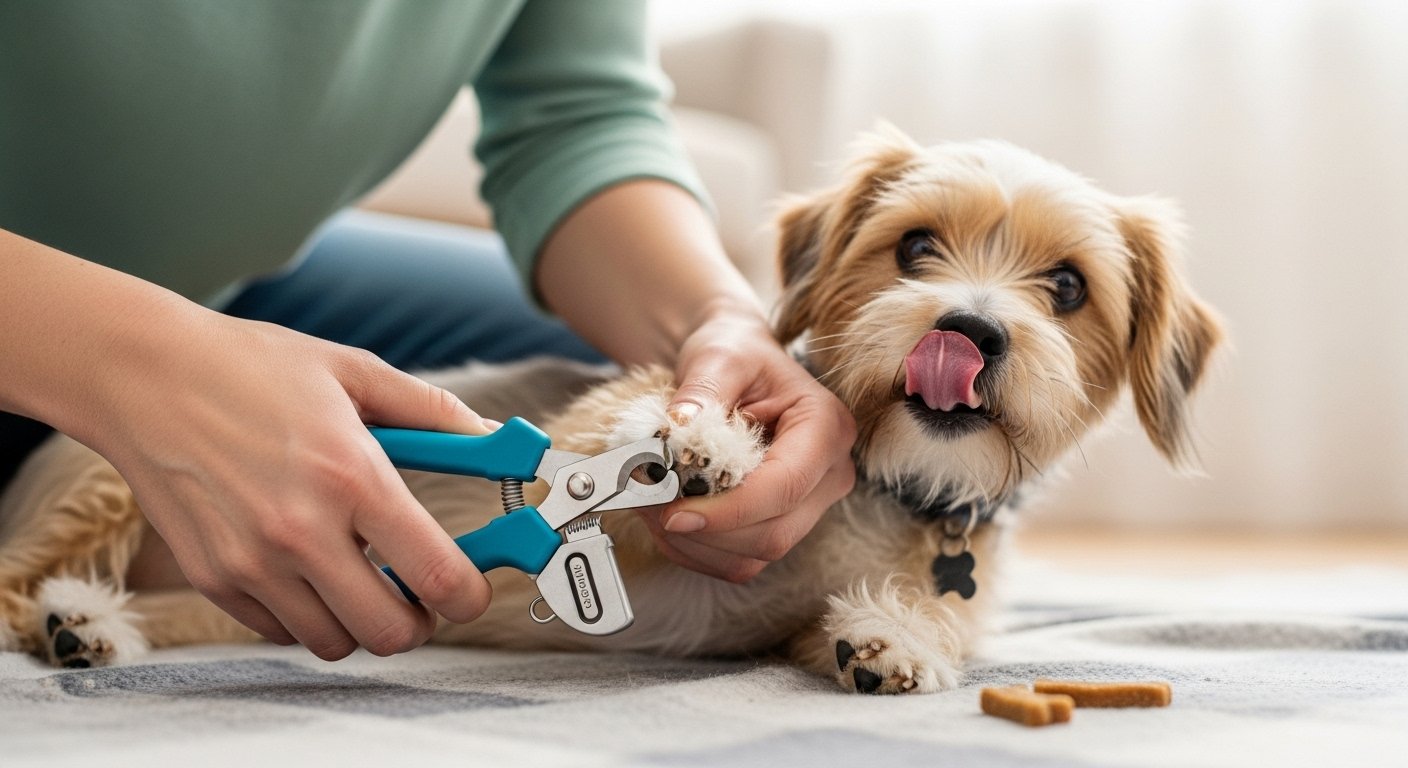
- Position Your Dog Comfortably: Sit on the floor or use a grooming table. For wiggly pups, have a helper hold them gently or use a harness.
- Examine the Nails: Look for the quick—the pink area with blood vessels. In light nails, it’s visible; in dark ones, trim tiny bits until you see a gray oval.
- Hold the Paw Firmly but Gently: Extend one toe at a time. Trim at a 45-degree angle, taking off small slivers.
- Clip or Grind: For clippers, squeeze quickly and confidently. For grinders, use short bursts to avoid heat buildup.
- Reward After Each Nail: Praise and treat immediately to reinforce good vibes.
- Check Dewclaws: Don’t forget these—they grow fast and can curl in.
- Finish with Filing: Smooth rough edges with a file or grinder for comfort.
If your dog has very long nails, trim a little every few days to let the quick recede gradually.
Top Tips for Reducing Stress During Trims
- Timing is Everything: Trim after a walk or playtime when your dog is tired and relaxed.
- Distraction Techniques: Use frozen treats, toys, or calming music. Avoid tricking them with food while sneaking a clip—that builds distrust.
- Exude Confidence: Dogs pick up on your energy. Stay calm and positive.
- Professional Help if Needed: If your dog is extremely fearful, consult a vet or groomer for sedation or training advice.
- Alternative Methods: Some dogs prefer scratch boards or walks on concrete to naturally file nails.
What to Do If You Cut the Quick
Accidents happen! If you nick the quick, apply styptic powder or cornstarch to stop bleeding. Keep your dog calm with treats, and monitor for infection. Most quick cuts heal quickly, but if bleeding persists, head to the vet.
Wrapping Up: Happy Paws, Happy You
There you have it—a complete guide to trimming your dog’s nails without the fuss. With consistent practice, what once felt like a chore can become a rewarding routine. Your pup will thank you with healthier paws and more tail wags! If you’ve got tips or stories, share them in the comments. Pin this for later and let’s keep our dogs groomed and stress-free.