Hey there, dog lovers! If you’re a pet parent, trainer, or just someone who adores furry friends, decoding your dog’s body language is like unlocking a secret code to their emotions. Dogs can’t speak our language, but they communicate volumes through subtle (and not-so-subtle) cues. Understanding these signals can strengthen your bond, prevent misunderstandings, and even keep everyone safe. In this guide, we’ll break down 10 key signals with easy-to-spot tips, real-life examples, and pro advice. Perfect for pinning and sharing—imagine pairing this with cute dog pics or infographics!
Whether your pup is wagging their tail furiously or giving you the side-eye, these insights will help you read between the barks. Let’s dive in!
1. Tail Wagging: Not Always Happy Vibes
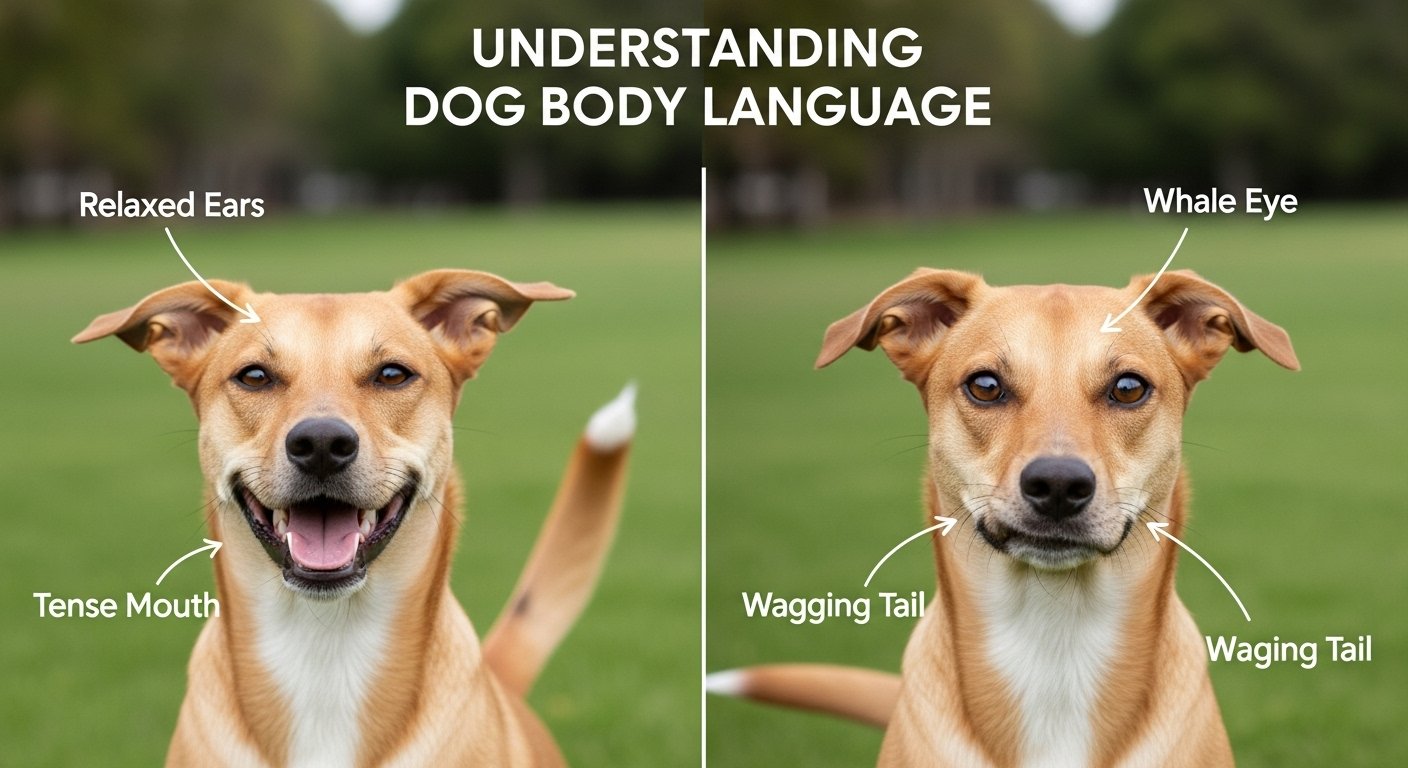
Contrary to popular belief, a wagging tail doesn’t always mean joy. The speed, height, and direction matter! A loose, wide wag at mid-height often signals a relaxed, friendly dog. 1 But a stiff, high wag with short strokes? That could indicate alertness or agitation. 0
- Tip: Watch the whole body—if the wag comes with soft eyes and a wiggly butt, it’s playtime. Pair with a low tail tuck for fear.
2. Tail Position: High, Low, or Tucked?
The tail’s resting position is a mood barometer. A high, erect tail shows confidence or excitement, while a low or tucked tail screams anxiety or submission. 2 If it’s between the legs, your dog might feel threatened—give them space!
- Tip: In multi-dog households, observe tail positions during greetings to spot potential tension.
3. Ear Position: Perked Up or Pinned Back?
Ears are like emotional antennas. Forward-facing, perked ears mean curiosity or focus on something interesting. 6 Pinned-back ears? That’s often a sign of fear, stress, or appeasement. 2 Relaxed ears (neither up nor down) indicate a chill pup.
- Tip: Breed matters—floppy-eared dogs like Beagles show changes more subtly through base movement.
4. Eye Contact: Soft Gaze vs. Hard Stare
Dogs use eyes to convey trust or warnings. Soft, blinking eyes with a relaxed gaze mean comfort and affection. 6 A hard, unblinking stare can be a challenge or sign of discomfort—avoid staring back to de-escalate. 0
- Tip: “Whale eye” (showing whites of the eyes while looking away) signals stress; back off immediately.
5. Mouth and Lips: Smiles, Yawns, or Lip Licks?
A relaxed mouth with a slight “smile” (lips loose) shows contentment. 1 Yawning or lip-licking outside of tiredness or mealtime often means stress or calming signals to diffuse tension. 7 Bared teeth with wrinkled lips? That’s a clear “back off” warning.
- Tip: Context is key—a yawn during vet visits might mean anxiety, not boredom.
6. Posture and Weight Distribution: Leaning In or Away?
A dog’s stance reveals their confidence level. Weight shifted forward (leaning in) can mean interest or assertiveness, while backward weight shows hesitation or fear. 0 A low, crouched posture often indicates submission or play invitation.
- Tip: During walks, if your dog leans away from something, they’re uncomfortable—redirect gently.
7. Raised Hackles: The Fur Standing Up
When the fur along the spine (hackles) stands up, it’s called piloerection. This isn’t always aggression—it can signal arousal, fear, or excitement. 0 Look at the rest of the body for clues.
- Tip: If hackles rise with a stiff tail and stare, intervene to prevent escalation.
8. Play Bow: Front Down, Butt Up
This classic pose—front legs down, rear end up, with a wagging tail—is an invitation to play. 6 It’s a universal dog signal for “let’s have fun!” and shows relaxation.
- Tip: Respond with your own playful energy, but watch if it turns into roughhousing.
9. Rolling Over: Belly Up for Trust
Exposing the belly can mean submission and trust, inviting belly rubs. 5 But if stiff or with averted eyes, it might be appeasement due to fear—not always an invite to touch.
10. Shaking Off: Resetting After Stress
Like after a bath, dogs shake their whole body to release tension after a stressful event. 4 It’s a self-soothing behavior signaling “that was intense, but I’m okay now.”
- Tip: If frequent, check for ongoing stressors like loud noises.
Wrapping It Up: Become a Dog Whisperer
Mastering these 10 signals is your ticket to better communication with your canine companion. Remember, always consider the full context—breed, environment, and individual personality play a role. 8 Practice observing in low-stakes situations, like at the dog park, and you’ll soon spot patterns. For more depth, consult a professional trainer or vet if signals suggest health issues.
Pin this post for quick reference, and share your dog’s quirky signals in the comments! What’s the funniest body language mishap you’ve had? 🐶💕