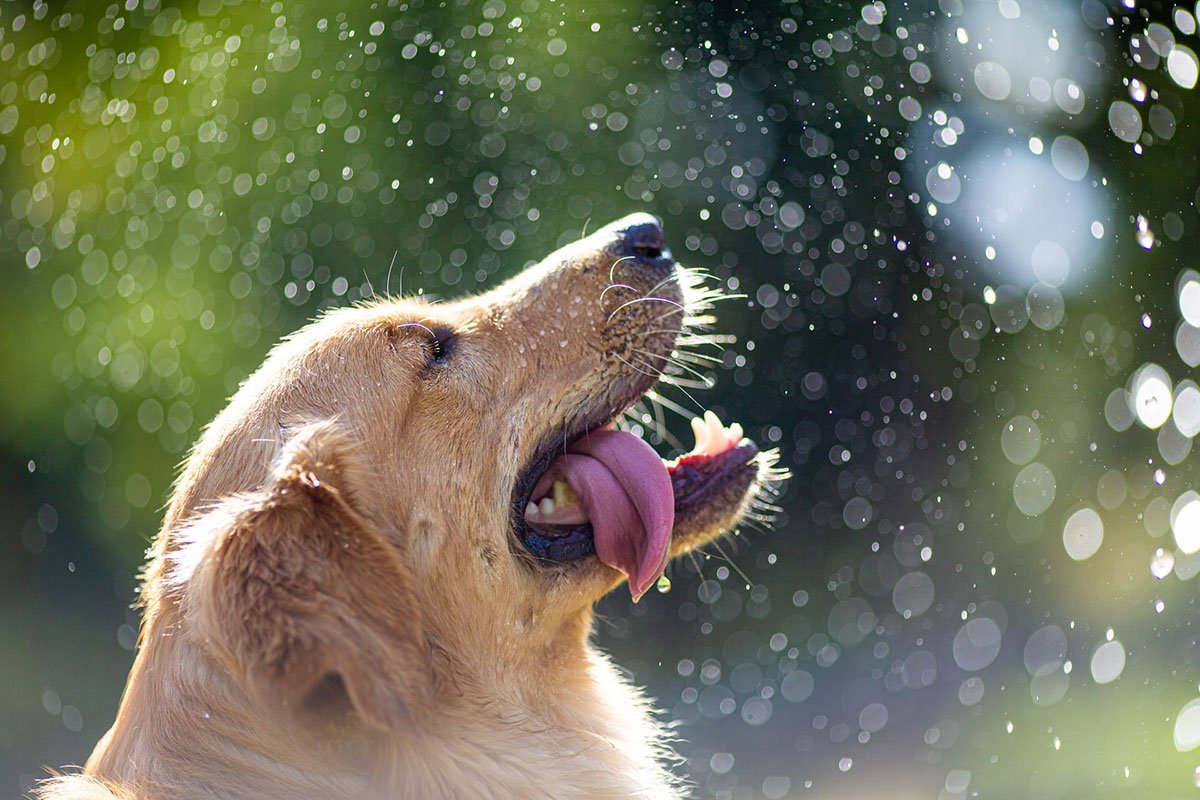

Hey there, fellow dog lovers! 🐶 If you’re a proud pup parent, you know that keeping your furry friend healthy is top priority. Vaccinations are like a superhero shield against nasty diseases that could harm your dog. But with so many shots and schedules out there, it can feel overwhelming. Don’t worry—I’ve got you covered with this ultimate guide. We’ll break down the essentials, from puppy shots to adult boosters, all in a fun, easy-to-pin format. Let’s dive in and keep those tails wagging!
Why Vaccinations Matter for Your Dog
Vaccinations protect your dog from contagious and potentially fatal diseases like parvovirus, distemper, and rabies. They work by stimulating your dog’s immune system to fight off infections before they take hold. According to experts, sticking to a proper schedule can prevent outbreaks and even save lives in your community. Plus, many boarding facilities, dog parks, and groomers require up-to-date vaccines for safety.
Think of it this way: Skipping shots is like leaving your front door unlocked in a sketchy neighborhood. Not worth the risk! Always consult your vet for personalized advice, as needs vary by breed, age, and lifestyle.
Core Vaccines vs. Non-Core Vaccines: The Basics
Not all vaccines are created equal. Core vaccines are must-haves for every dog, while non-core (or lifestyle) vaccines depend on your pup’s environment and activities.
Core Vaccines (Essential for All Dogs)
These protect against widespread, serious diseases:
- Distemper: A viral illness affecting the respiratory, gastrointestinal, and nervous systems.
- Adenovirus (Hepatitis): Targets the liver and can cause severe illness.
- Parvovirus: Highly contagious, often fatal in puppies, causing vomiting and diarrhea.
- Parainfluenza: Part of the kennel cough complex.
- Rabies: Legally required in most places; fatal to dogs and humans.
Non-Core Vaccines (Based on Lifestyle)
Recommended if your dog is at higher risk:
- Bordetella (Kennel Cough): For dogs in boarding or group settings.
- Leptospirosis: From contaminated water; ideal for outdoor adventurers.
- Lyme Disease: In tick-heavy areas.
- Canine Influenza: For social pups in high-risk zones.
- Rattlesnake Toxoid: In snake-prone regions.
Pro Tip: Your vet will assess risks based on where you live and your dog’s habits.
Puppy Vaccination Schedule: Starting Strong
Puppies are extra vulnerable because their immune systems are still developing. They get initial protection from mom’s milk, but that fades around 6-8 weeks. That’s when the shot series begins!
Here’s a standard puppy schedule (adjust based on vet recommendations):
| Age | Core Vaccines | Non-Core Vaccines |
|---|---|---|
| 6-8 Weeks | DHPP (Distemper, Hepatitis, Parvovirus, Parainfluenza) – 1st dose | Bordetella (if at risk) |
| 10-12 Weeks | DHPP – 2nd dose | Leptospirosis, Lyme (if needed) |
| 14-16 Weeks | DHPP – 3rd dose, Rabies | Influenza, Bordetella booster |
| 12-16 Months | DHPP booster, Rabies booster | Full non-core boosters as recommended |
Puppies typically need 3-4 rounds of DHPP every 2-4 weeks until 16 weeks old for full immunity. Keep them away from unvaccinated dogs during this time!
Adult Dog Vaccination Schedule: Keeping Immunity Up
Once your dog hits adulthood (around 1 year), the focus shifts to boosters. Adult dogs need revaccinations to maintain protection, but not as frequently.
Standard adult schedule:
- DHPP: Every 1-3 years, depending on the vaccine type (some are triennial).
- Rabies: Every 1-3 years, as required by law (varies by state).
- Non-Core: Annually or as needed, like Bordetella for boarding dogs.
For unvaccinated or under-vaccinated adults, start with two initial doses 2-4 weeks apart, then follow the booster plan.
Remember, senior dogs (7+ years) might need tailored plans—talk to your vet about titer testing to check immunity levels instead of over-vaccinating.
Booster Shots: Don’t Skip These!
Boosters are follow-up doses that “boost” the immune response. Missing them can leave gaps in protection. For example:
- Puppies get boosters every few weeks.
- Adults get them annually or every 3 years.
If you miss a shot, don’t panic—your vet can restart or adjust the series. Some experts suggest lifelong immunity for certain vaccines after initial series, but always verify with pros.
Factors That Influence Your Dog’s Vaccine Needs
Every dog is unique! Consider these:
- Lifestyle: Boarding, daycare, or hiking? Add Bordetella or Leptospirosis.
- Location: Tick areas? Lyme vaccine might be key.
- Breed/Health: Some breeds are more prone to reactions; consult for alternatives.
- Travel: International trips may require extra proofs.
Use tools like the AAHA Vaccine Lifestyle Calculator for personalized insights.
Potential Side Effects and What to Watch For
Most dogs handle vaccines like champs, but mild reactions can happen:
- Lethargy or soreness at the injection site.
- Mild fever or reduced appetite.
Rare serious issues: Allergic reactions (swelling, vomiting). Call your vet immediately if noticed. Benefits far outweigh risks!
Always Consult Your Veterinarian
This guide is a starting point, but your vet knows best. Schedule regular check-ups to customize the plan.
Final Thoughts: Protect Your Pup Today!
Vaccinations are a simple way to ensure your dog lives a long, happy life. Pin this post, share with friends, and book that vet appointment. Your furry bestie thanks you! 🐕💉 What’s your experience with dog vaccines? Drop a comment below.